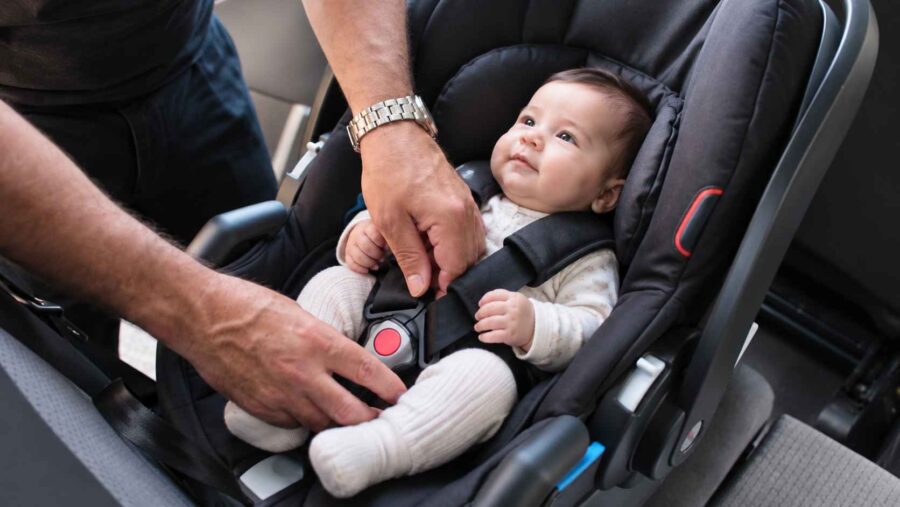

A major update to federal child car seat safety standards reaches its next deadline on December 5, 2026.
From that date, Federal Motor Vehicle Safety Standard No. 213b becomes mandatory for newly manufactured child restraint systems. Updated side-impact requirements under FMVSS No. 213a also reach their compliance date.
The change affects manufacturers far more directly than parents who already own a car seat. Families do not have to throw away an existing seat simply because December 5 arrives.
December 5, 2026 Is the Main Compliance Date
The National Highway Traffic Safety Administration has spent several years updating the federal standards that govern child restraint systems sold in the United States.
FMVSS No. 213 has served as the main federal child restraint standard for decades. NHTSA created FMVSS No. 213b as the updated frontal-impact standard, and the agency states that it becomes mandatory for child restraint systems manufactured on or after December 5, 2026.
The older FMVSS No. 213 therefore reaches the end of its role as the primary frontal-impact standard for newly manufactured restraints on the same date.
NHTSA describes the transition in its September 2026 final rule.
The same date now applies to FMVSS No. 213a, the federal side-impact protection standard for covered child restraints. NHTSA had previously set an earlier compliance deadline but delayed it to December 5, 2026.
| Federal Standard | Main Purpose | December 2026 Status |
| FMVSS No. 213 | Existing child restraint requirements, including frontal protection | Replaced by FMVSS No. 213b for newly manufactured restraints |
| FMVSS No. 213a | Side-impact protection | Compliance date becomes December 5, 2026 |
| FMVSS No. 213b | Updated child restraint and frontal-impact requirements | Mandatory beginning December 5, 2026 |
The New Rules Change How Car Seats Are Tested
Federal car seat standards are not simply instructions about what parents should buy. They establish performance requirements that manufacturers must satisfy before selling new child restraints in the United States.
The original FMVSS No. 213 includes dynamic crash testing using a sled system designed to simulate a frontal collision. Test dummies representing children of different sizes are restrained in the seat, and NHTSA evaluates factors such as head movement and injury measurements.
FMVSS No. 213b updates that testing system. NHTSA finalized the updated frontal-impact requirements in December 2023 and scheduled the new standard to become mandatory three years later.
The agency also updated registration information, consumer labeling and several technical testing provisions as part of the transition.
NHTSA also uses updated testing procedures in other areas of vehicle safety, including its pedestrian safety testing program.
Side-Impact Testing Also Reaches Its Compliance Deadline
Frontal crashes are only one part of the federal update.
NHTSA established FMVSS No. 213a in 2022 to create a specific side-impact performance standard for child restraint systems. The rule covers restraints designed for children weighing up to 40 pounds, as well as restraints whose recommended height range includes children up to about 43.3 inches.
The agency developed a side-impact test that evaluates how the restraint protects a child during a simulated crash from the side. Covered restraints have to meet the applicable performance requirements under the new standard.
Manufacturers originally faced a June 30, 2025 compliance date. NHTSA later paused enforcement and, in its 2026 final rule, moved the formal compliance date to December 5, 2026.
The Delay Gave Smaller Manufacturers More Testing Time
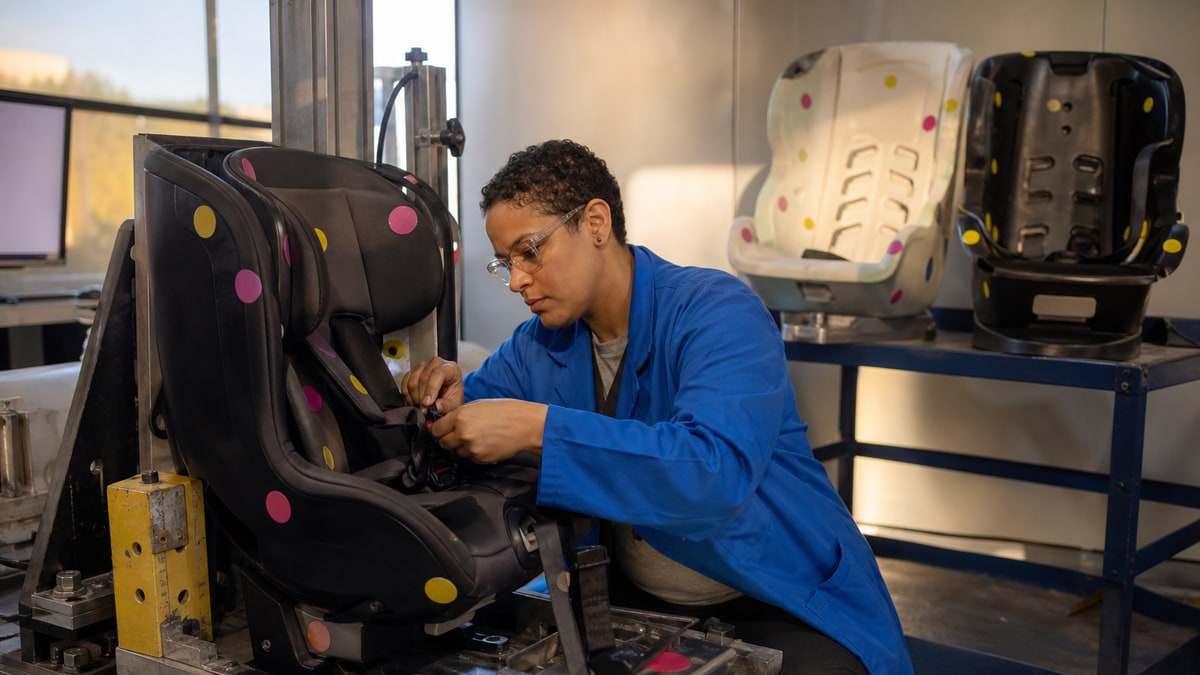
The later deadline was not a decision to abandon side-impact protection.
NHTSA said smaller child restraint manufacturers reported difficulty obtaining enough time at third-party testing laboratories. Manufacturers without their own crash-testing facilities depend more heavily on outside labs for product validation and certification work.
The agency therefore moved the FMVSS No. 213a compliance date from June 2025 to December 2026. According to the final rule, the additional time allowed smaller manufacturers to complete testing without removing the side-impact standard itself.
Several manufacturers supported the delay. Graco and Dorel opposed extending the deadline, according to the agency summary of public comments.
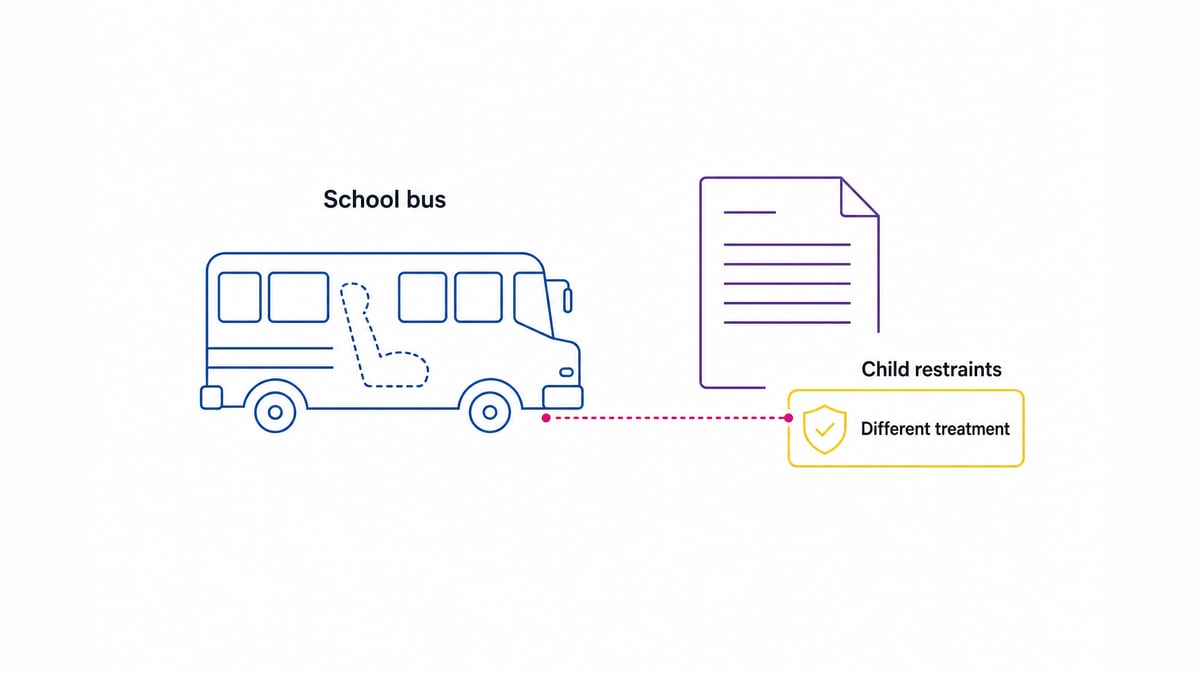
School Bus Child Restraints Receive Different Treatment
The September 2026 rule also changes how certain restraints designed specifically for school buses are treated.
NHTSA exempted school bus child restraint systems from the FMVSS No. 213a side-impact requirements. The agency explained that the standard was designed around the side-impact environment of a small passenger vehicle, which differs considerably from the way dedicated school bus restraints are installed and used.
Some school bus restraints attach directly to the bus seat structure rather than using the same anchorage arrangement found in passenger cars.
NHTSA also changed related labeling and anchorage provisions so the federal requirements better match those school bus designs.
The Rules Do Not Force Parents to Replace Every Existing Car Seat
December 5 does not create a nationwide requirement for families to discard an older child seat simply because it was manufactured under the previous standard.
FMVSS No. 213b applies to child restraint systems manufactured on or after the new mandatory date. Federal motor vehicle safety standards primarily regulate the manufacture and first sale of new equipment.
Parents should still check the condition, expiration information and recall status of any seat they already use. A damaged, recalled or expired restraint presents a different issue from a seat that simply predates FMVSS No. 213b.
NHTSA provides a car seat safety and recall resource that also explains seat selection, installation and registration.
State Child Restraint Laws Still Apply Separately
Federal manufacturing standards and state child passenger laws serve different purposes.
NHTSA sets minimum safety requirements for newly manufactured child restraints. States decide when children must use rear-facing seats, forward-facing restraints, boosters or seat belts under their traffic laws.
The practical importance of proper restraint use becomes clearer when looking at broader traffic accident patterns across U.S. states.
A seat can therefore satisfy federal manufacturing requirements and still be used incorrectly under state law. Age, height, weight, seating position and installation can all affect the legal and safety analysis.
Crash cases can become especially complicated when injuries, restraint use, insurance coverage and fault are disputed at the same time. Families dealing with a serious collision may decide to speak with a local professional, such as Madison car accident lawyer or an experienced attorney in your area, about the legal questions surrounding the crash.
Insurance questions can become another complication after a serious collision, particularly in crashes involving uninsured or underinsured drivers.
Parents Still Need to Follow the Limits Printed on the Seat
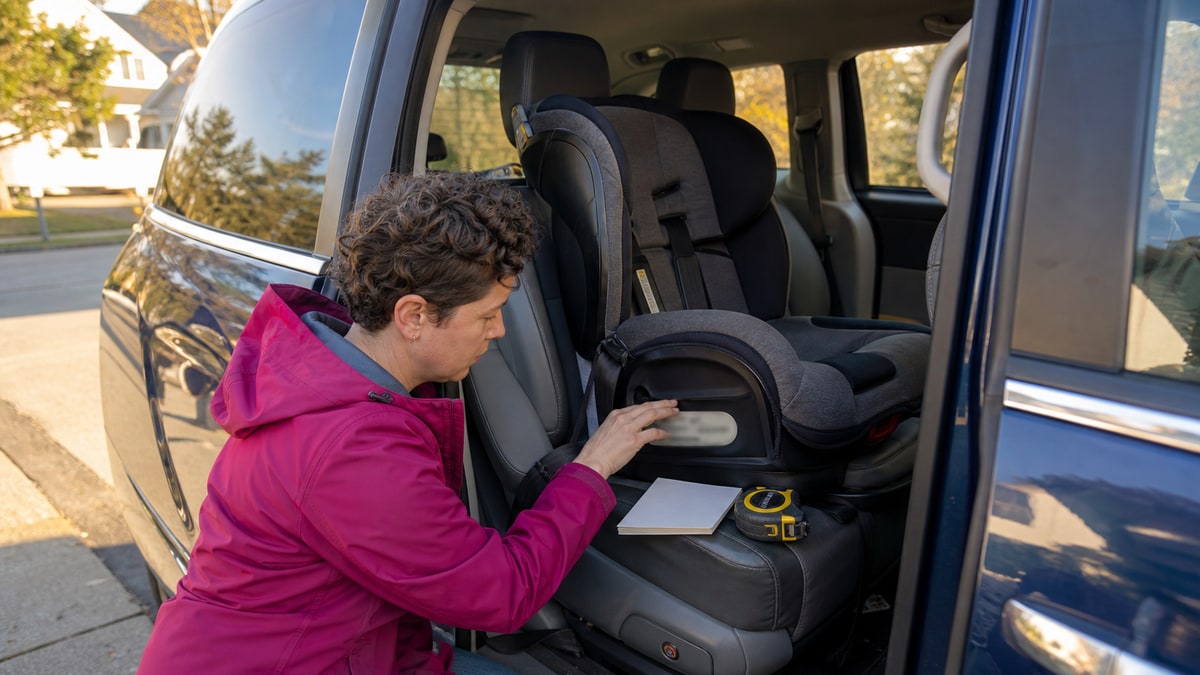
A newer federal standard does not replace the instructions supplied with an individual child restraint.
NHTSA advises parents to choose a seat based on the child age and size, confirm that it fits the vehicle, and follow both the child restraint manual and the vehicle owner manual during installation.
The height and weight limits printed by the manufacturer determine how long a particular seat can be used in each configuration.
NHTSA also recommends keeping children in the back seat through at least age 12.
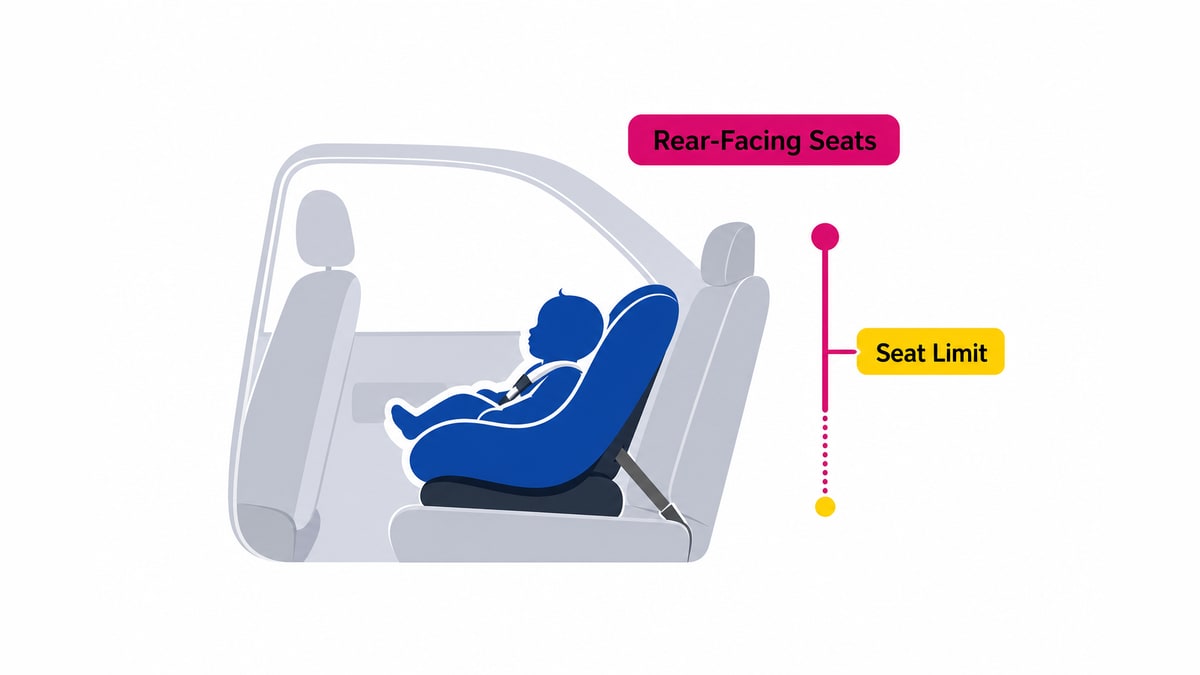
Rear-Facing Seats Should Be Used Until the Child Reaches the Seat Limit
NHTSA recommends rear-facing travel for infants and for older children who still fit within the rear-facing height and weight limits of their seat.
Children under age 1 should ride rear-facing. After the first birthday, NHTSA still advises keeping the child rear-facing until the maximum height or weight allowed by the manufacturer is reached.
Rear-facing restraints support the head, neck and spine differently during a frontal crash because the child remains supported by the seat shell.
Once the rear-facing limits are exceeded, the next stage is a forward-facing restraint with a harness and tether.
Forward-Facing Seats Should Use the Tether
The tether is a major part of forward-facing child restraint installation.
NHTSA states that the tether limits forward movement during a crash. The agency instructs parents using a forward-facing restraint to connect the tether to the proper vehicle anchor and tighten it according to the seat and vehicle instructions.
The child should remain in the forward-facing harness until reaching the height or weight limit specified for that configuration.
Moving to a booster simply because a child reaches a certain birthday can leave the child without the protection intended by the harness if the forward-facing seat still fits.
Booster Seats Remain the Step Before an Adult Seat Belt
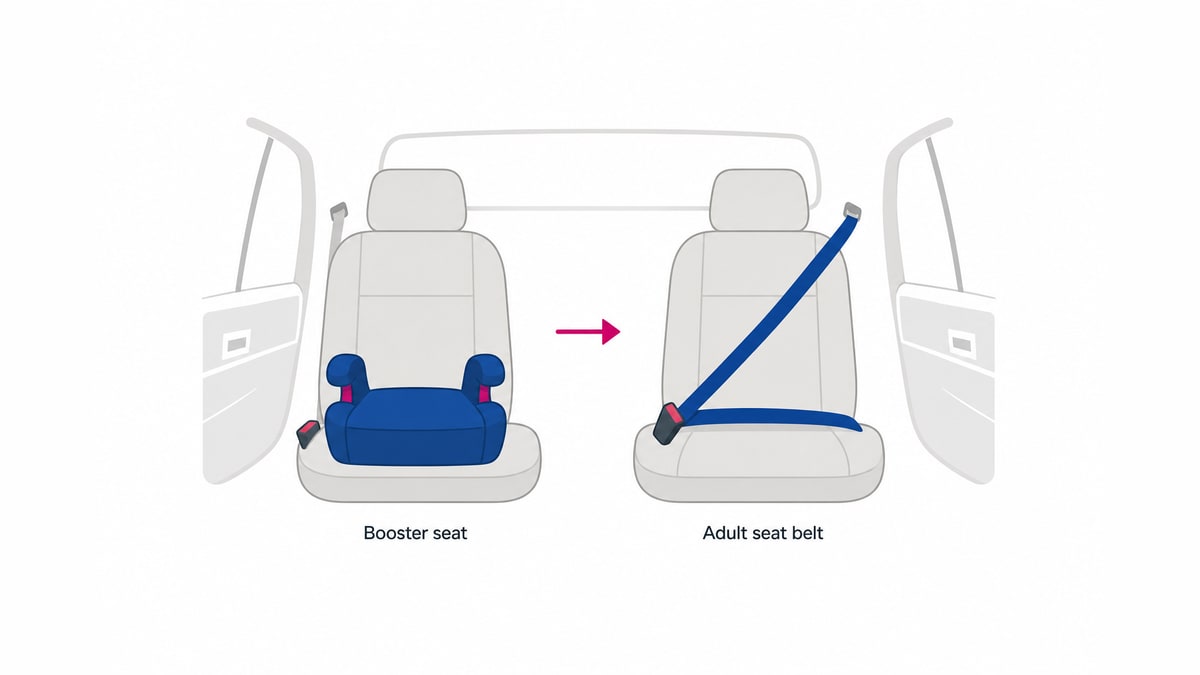
A booster positions the vehicle lap-and-shoulder belt across stronger areas of a child body.
The lap portion should sit across the hips rather than the abdomen, and the shoulder belt should cross the chest and shoulder correctly.
NHTSA advises keeping a child in a booster until the vehicle seat belt fits properly without one.
A child who has outgrown a harnessed seat is not automatically ready for an adult belt. Body size and belt fit determine the transition.
Installation Still Determines How Well a Seat Can Work
Stricter federal testing cannot compensate for a badly installed restraint.
NHTSA advises that an installed car seat should not move more than one inch from side to side or front to back when checked at the belt path. Parents also need to use the correct belt path for the direction in which the seat is installed.
Harness straps should lie flat and fit snugly. Thick coats or bulky clothing can interfere with harness fit, particularly during colder months.
Families who are uncertain about installation can use NHTSA resources to locate a child passenger safety inspection station or arrange a virtual check with a trained technician.
Newer Seats Will Gradually Replace Older Models on Store Shelves
The December 5 deadline is tied to manufacture, not a single nationwide retail reset.
Seats produced before the date under the applicable earlier standard can remain in circulation. New products manufactured after the transition have to comply with the standards that apply from December 5.
The retail change will therefore happen over time as manufacturers update production and stores sell through existing inventory.
Families shopping around the transition period can check the manufacturing date printed on the seat and review the product manual for the specific standards and limits that apply.
The December Rules Focus on Better Crash Protection, Not New Penalties
The biggest mistake would be reading December 5 as a new federal ticketing rule for parents.
The federal changes are primarily technical safety standards for child restraint manufacturers. They update frontal-impact testing, bring side-impact requirements to their compliance date and revise several related labeling and testing provisions.
The car seat changes are part of a broader federal focus on vehicle safety standards, which also includes new requirements such as automatic emergency braking rules for heavy trucks.
State law continues to determine the restraint requirements drivers must follow on the road.
For families, the practical priorities remain straightforward. The child needs the correct restraint for their size, the seat needs to be installed according to its instructions, and every recall or safety notice needs attention.
For manufacturers, December 5, 2026 is much more significant. It marks the point when FMVSS No. 213b becomes mandatory for newly manufactured child restraints and the updated federal framework becomes the new baseline for products entering the US market.