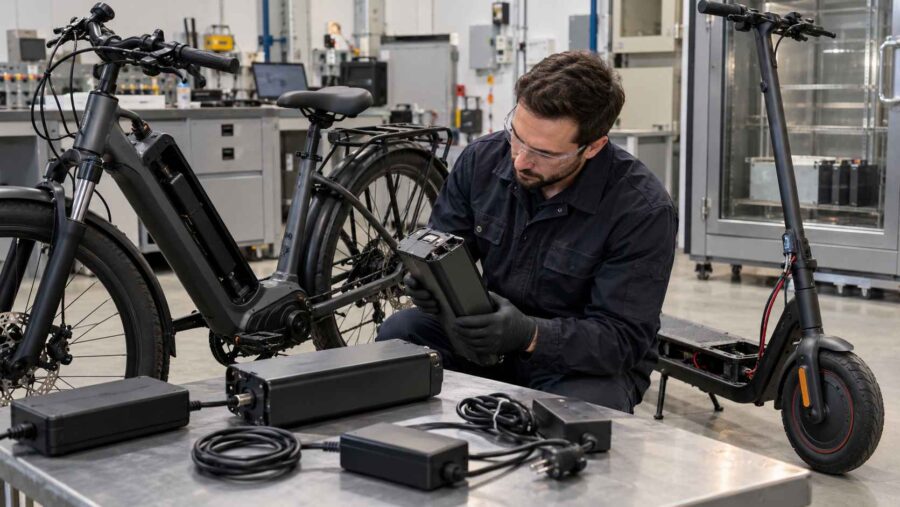

The US Consumer Product Safety Commission is moving toward a mandatory federal safety standard for lithium-ion batteries used in e-bikes, e-scooters and other small electric mobility products.
CPSC published the proposed rule on June 24, 2026. The agency says battery failures can lead to thermal runaway, fires, explosions, burns, overheating, gas releases and smoke inhalation.
The proposal would reach far past batteries installed at the factory. Separate replacement battery packs, aftermarket chargers and electrical components sold with e-bike conversion kits also fall within the planned federal framework.
The Proposal Would Turn Existing UL Standards Into Federal Requirements
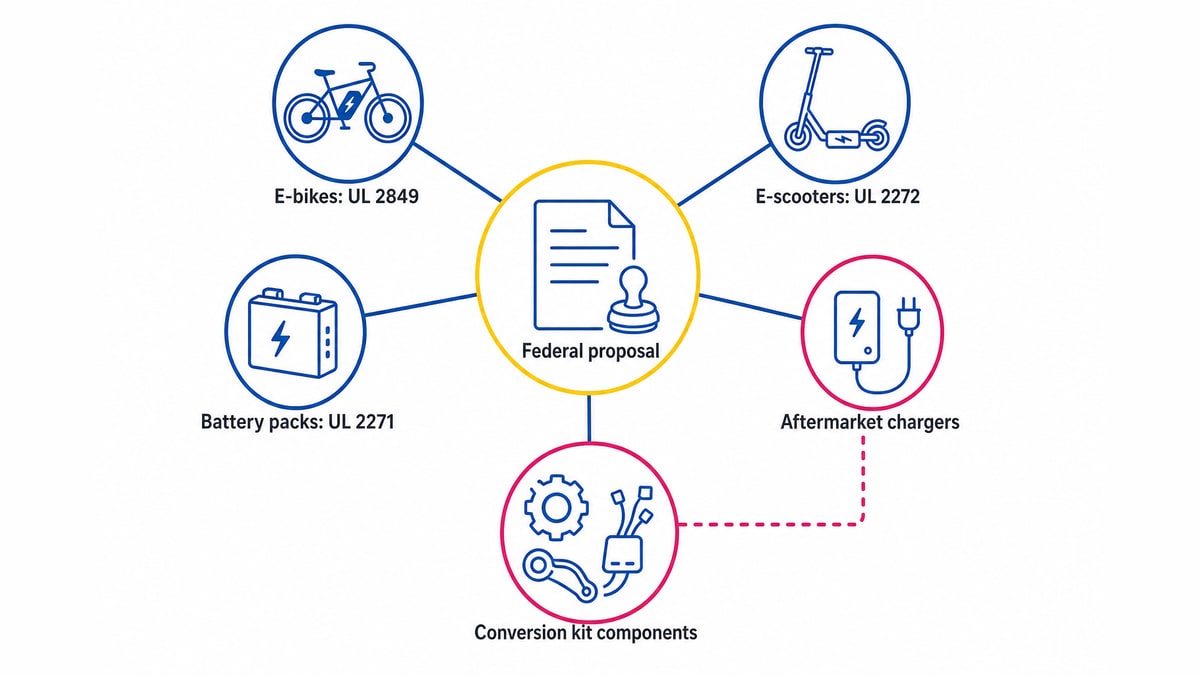
The central change is straightforward. CPSC wants covered electrical systems to comply with established UL safety standards, along with additional requirements written by the agency.
E-bikes would generally fall under UL 2849. Other electric mobility products, including many e-scooters, hoverboards, electric skateboards and electric unicycles, would use UL 2272. Separate lithium-ion battery packs would be covered by UL 2271.
| Product or Component | Main Standard in the Proposal |
| E-bikes and their electrical systems | UL 2849 |
| E-scooters and other personal electric mobility products | UL 2272 |
| Separate lithium-ion battery packs | UL 2271 |
| Aftermarket chargers | Covered through applicable electrical system requirements |
| E-bike conversion kit components | Included within the proposed rule |
CPSC does not plan to copy the voluntary standards without changes. The federal proposal adds requirements dealing with battery access, charger compatibility, temperature protection, warnings and other hazards identified through incident investigations.
The agency also wants stronger protection against users opening battery packs that were not designed for consumer repair. Some proposed warnings would specifically tell owners not to open, disassemble or repair covered batteries.
CPSC Recorded 227 Battery-Related Incidents From 2019 Through 2023
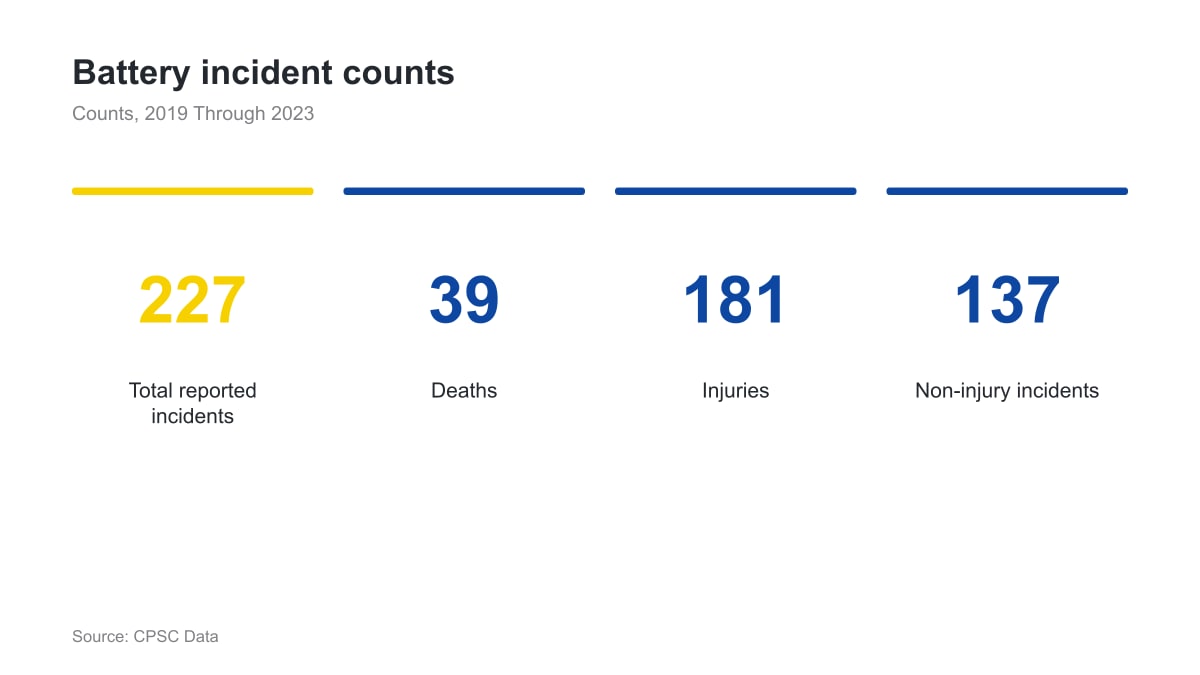
The proposal is built around several years of incident data rather than a single high-profile fire.
CPSC identified 227 reported incidents from 2019 through 2023 involving lithium-ion batteries in micromobility products. Those incidents were associated with 39 deaths, 181 injuries and 137 cases in which no injury was reported.
| CPSC Data for 2019 Through 2023 | Total |
| Reported incidents | 227 |
| Deaths | 39 |
| Injuries | 181 |
| Non-injury incidents | 137 |
The categories overlap because one fire can injure several people or produce both injuries and fatalities. CPSC also warns that reporting for 2022 and 2023 remained incomplete when the agency assembled the dataset.
Incidents were reported across several product types. The total included 74 e-bike incidents, 63 involving e-scooters and 72 involving self-balancing scooters, along with electric skateboards, electric unicycles and cases involving several or unspecified product types.
More Than Half of the Reported Incidents Happened During Charging
Charging stands out in the CPSC data.
Among the 227 incidents, 120 occurred while the product was plugged in and charging. That represents about 53% of the total.
Charging incidents accounted for 18 fatalities and 102 injuries in the agency analysis. Another 23 incidents occurred when products were stored or sitting unused in open space and then unexpectedly caught fire.
Aftermarket batteries and chargers appear repeatedly in the incident record as well. CPSC connected 25 incidents to users replacing battery packs or using aftermarket batteries or chargers, with two deaths and 12 injuries reported.
Those findings explain why the proposed rule does not stop with complete e-bikes and scooters. Charger compatibility and replacement battery design are part of the same electrical system.
Thermal Runaway Can Turn One Failing Cell Into a Larger Fire
Lithium-ion batteries store considerable energy in a small space. A damaged, defective or improperly controlled cell can produce heat faster than the battery can release it.
CPSC describes thermal runaway as a self-sustaining reaction that can begin after an internal short circuit or another battery failure. Heat can then spread from one cell to neighboring cells.
The result can include flames, high temperatures, smoke and gases released inside a home, apartment, garage or other enclosed area.
Battery management systems are supposed to reduce that risk by monitoring conditions such as voltage, current and temperature. The proposal would strengthen testing around those protective systems, including situations in which a battery is too hot to charge safely.
The Rule Would Address Batteries That Are Charged Immediately After a Ride
CPSC specifically identified charging temperature as an area where current requirements need additional protection.
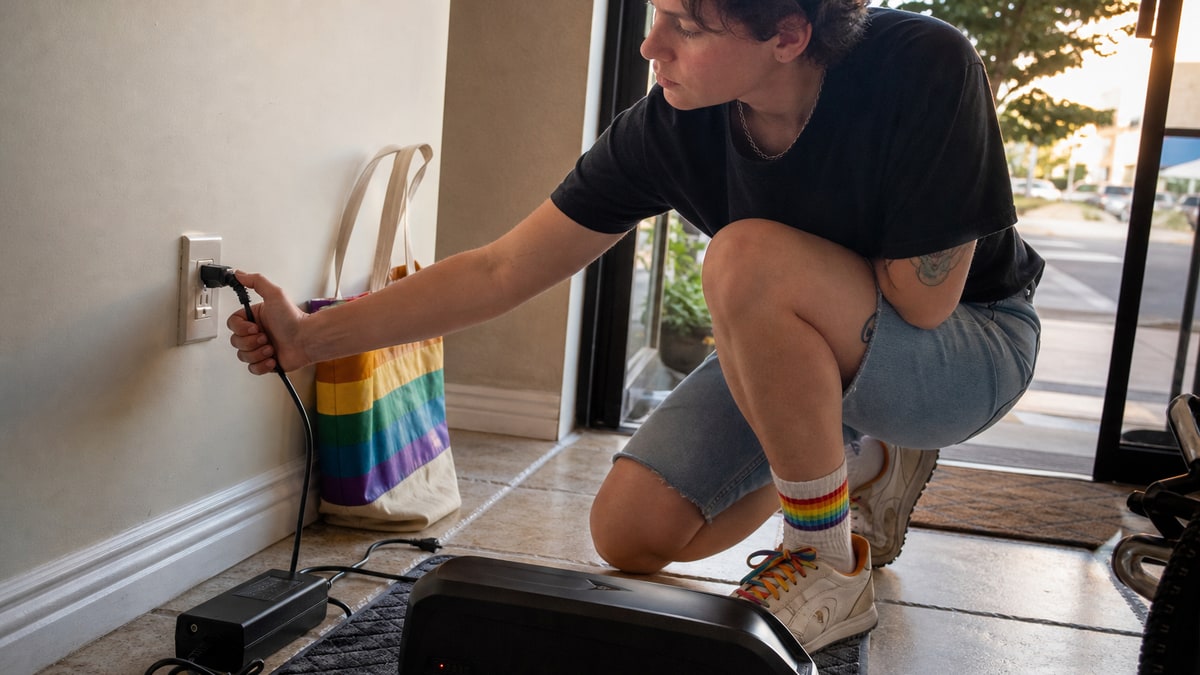
A rider can drain a battery during a trip and plug the vehicle in soon after arriving home. Battery cells can still be warm from use at that point.
The proposed changes to UL 2271 would test if the battery management system prevents charging when cell temperature exceeds the maximum limit specified by the manufacturer.
The same proposal also calls for clearer charging instructions and warnings about battery life, storage and charging frequency.
Aftermarket Chargers Would Face Greater Scrutiny
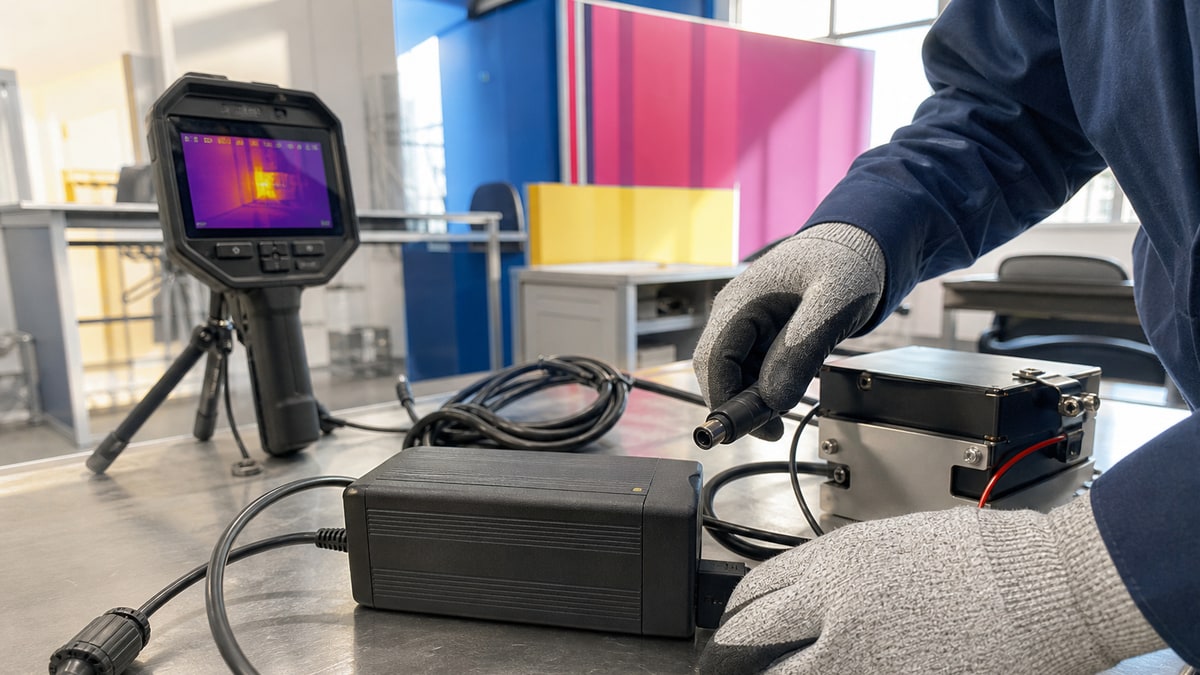
Using a charger with the wrong voltage, polarity or charging profile can create additional electrical stress.
CPSC wants the new standard to include tests designed around charger and battery compatibility. The proposal includes a reverse-polarity test and additional requirements intended to reduce incidents caused by mismatched components.
Replacement battery packs would also need markings identifying the micromobility product name and model for which the pack is intended.
That requirement targets a common problem in a market where batteries and chargers can be bought separately through online marketplaces. Physical fit alone does not establish electrical compatibility.
The Rule Would Reach E-Bike Conversion Kits
Conversion kits allow owners to add an electric motor and battery system to a conventional bicycle.
CPSC includes electrical components supplied with those kits within the scope of the proposed regulation. Batteries sold separately for use in covered micromobility products are included as well.
The federal battery proposal deals with electrical fire and shock hazards rather than how fast an e-bike can legally travel on a public road. States continue to regulate vehicle classification, speed and road use separately.
We recently covered that separate side of micromobility regulation in our report on the Illinois micromobility bill, which addresses high-speed electric bikes and electric motorcycles under state vehicle law.
Product Defects Can Raise Separate Liability Questions After an Injury
A federal safety rule establishes manufacturing and testing requirements. It does not decide who is legally responsible in every individual fire or battery failure.
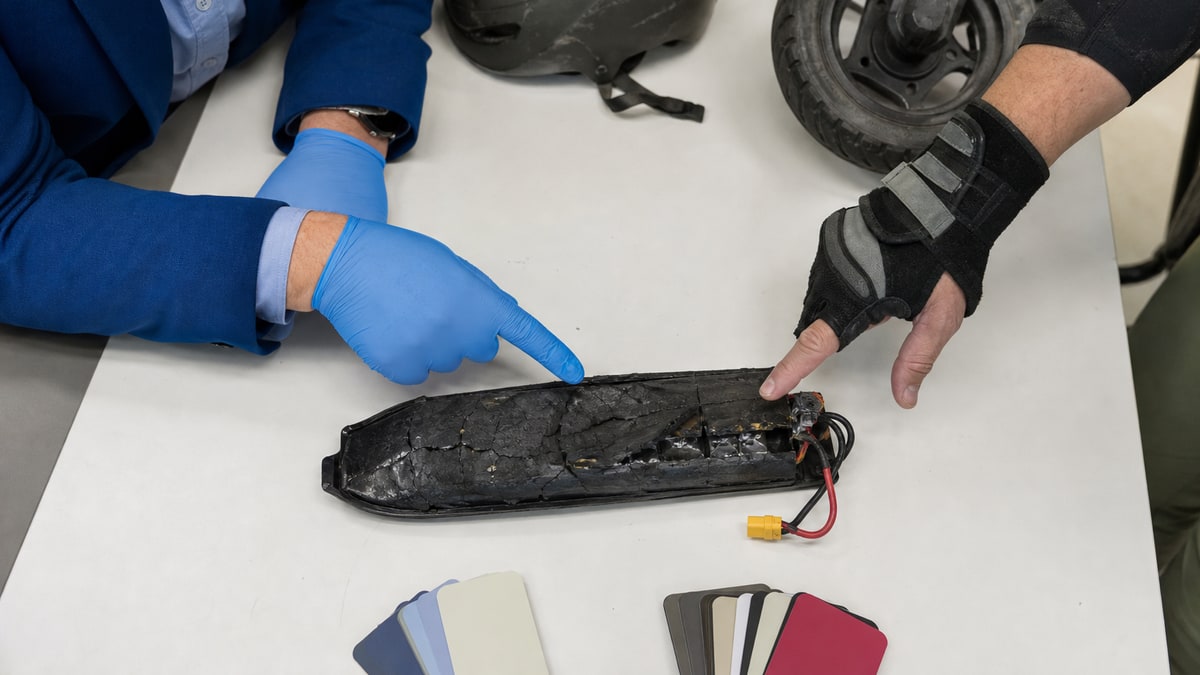
An investigation after a serious incident can examine the battery cells, charger, battery management system, warnings, previous recalls, seller records and any modifications made after purchase.
When a defective consumer product causes a fire, burn injury or other serious harm, questions about the manufacturer, importer, distributor or seller can arise alongside the federal safety investigation. Someone dealing with a suspected defective battery in Michigan may speak with a Michigan product liability attorney about the facts of the individual case.
A CPSC violation could become relevant evidence in some disputes, but the existence of a violation does not automatically resolve causation or liability.
CPSC Has Already Recalled or Warned About Hundreds of Thousands of Devices
The proposed rule follows years of recalls, safety warnings and enforcement action involving micromobility batteries.
CPSC lists recalls involving more than 870,000 products across cases reviewed in the rulemaking record. Those recalls were connected with at least 157 reported incidents, 31 injuries and two deaths.
The products included e-bikes, hoverboards, battery packs and other electric mobility devices from numerous companies.
One 2022 recall involved 22,000 Ancheer e-bikes after six incidents and four burn injuries were reported. A 2023 action involving Jetson self-balancing scooters covered 53,000 units after fire incidents that were linked to two deaths.
In April 2024, CPSC also warned consumers about certain Unit Pack Power e-bike batteries after receiving reports of fires involving those products.
CPSC Says Current Voluntary Compliance Is Not High Enough
UL standards already exist, and some manufacturers already design and test products to meet them.
CPSC concluded that voluntary adoption alone has not produced enough compliance across the market. The agency has urged manufacturers, importers, distributors and retailers to use UL-certified systems for several years.
In December 2022, CPSC sent a letter to about 2,000 companies asking them to make sure products complied with UL 2272 or UL 2849, depending on the type of device.
The new proposal would replace that voluntary approach with a mandatory federal baseline for products manufactured after the rule takes effect.
Some Products Sold for Children Would Need Third-Party Testing
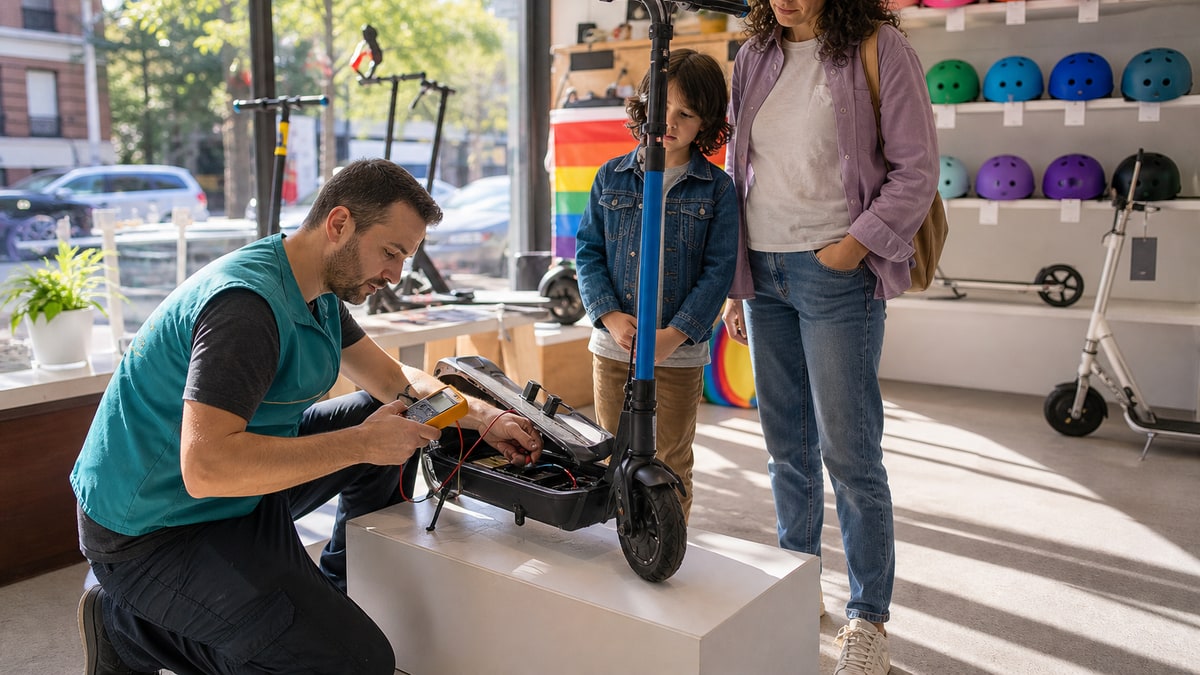
The proposal adds another requirement for covered micromobility products classified as children products under federal consumer safety law.
Those products would have to meet applicable third-party testing and certification requirements.
The added requirement means manufacturers could not simply declare that a covered children product satisfies the federal battery rule. Testing would need to follow the certification system that already applies to other regulated children products.
CPSC Estimates the Rule Could Prevent Most Recorded Battery Incidents
Agency engineers reviewed the incident data against the proposed UL requirements and modifications.
For e-scooters, CPSC estimated that at least 88% of incidents in its analyzed dataset could be addressed by the proposed requirements.
The agency also found that many incidents involving other micromobility products could be addressed through compliance with UL 2272 and UL 2271.
Those estimates do not mean every future fire would disappear. A battery can still be damaged, misused, modified or exposed to conditions outside the tested design limits.
Road Safety and Battery Safety Remain Separate Problems
A safer battery does not prevent a rider from being hit by a vehicle, losing control or colliding with a pedestrian.
Federal battery requirements concentrate on fire, explosion, electrical shock and related product hazards. Road rules, speed limits, rider behavior and vehicle interaction sit under separate state and federal safety systems.
Our recent report on new federal pedestrian safety testing looks at another part of the transportation safety system, including how regulators are examining injuries to people outside passenger vehicles.
E-bike and scooter users can encounter both categories at once. A rider faces traffic risk during a trip and battery risk during charging, storage or equipment failure.
The Proposal Would Not Take Effect Immediately
The June rule is still a proposal.
CPSC has proposed an effective date of 180 days after publication of any final rule. Products manufactured after that date would have to comply with the new federal requirements.
Existing devices already owned by consumers would not suddenly become illegal when a final rule takes effect.
The 180-day period is intended to give manufacturers time to adjust designs, production, testing and certification. CPSC says many products already designed around UL standards may require limited changes compared with products that currently lack equivalent protection.
A Public Hearing Is Scheduled for October 21
The rulemaking remains active in October 2026.
CPSC announced a virtual public hearing for October 21, 2026, from 10 a.m. to 1 p.m. Eastern time. Participants who want to make an oral presentation must submit their request and written remarks by 5 p.m. Eastern time on October 15.
The hearing gives manufacturers, consumer groups, safety organizations and other interested parties another opportunity to address the proposal before CPSC decides on a final standard.
The agency can still revise technical requirements after reviewing the rulemaking record.
It’s National Fire Prevention Week! Ebikes, escooters, and hoverboards use lithium-ion batteries that need a little bit more care than how you treat your other batteries. Learn something and avoid a battery fire at home. https://t.co/2rYFICoP3E
— US Consumer Product Safety Commission (@USCPSC) October 5, 2026
Battery Labels Could Become More Specific
CPSC is also considering how compliance should be communicated directly on a product.
The agency requested comment on a possible visible label stating that a micromobility product meets CPSC lithium-ion battery safety requirements.
Other proposed markings would warn against opening or repairing batteries that are not user-serviceable, identify compatible equipment and provide clearer charging information.
Warnings alone are not the main safety mechanism in the proposal. Electrical testing, battery management systems, enclosure design, temperature controls and compatibility requirements carry much of the technical load.
Consumers Still Need to Pay Attention to Battery Condition and Charging
A future federal standard would apply mainly to newly manufactured products. Millions of existing e-bikes, scooters, hoverboards and replacement batteries would remain in use.
CPSC incident data gives owners several concrete reasons to pay attention to charging equipment and battery condition.
- Use the charger specified for the battery and vehicle.
- Do not combine batteries and chargers simply because the connectors fit.
- Stop using a battery that shows unusual heat, swelling, damage, odor or other signs of failure.
- Do not open or rebuild a sealed battery pack unless it was specifically designed for that type of service.
- Follow manufacturer instructions concerning charging temperature and storage.
The proposed federal rule would move more responsibility toward manufacturers by requiring safer system design before products reach consumers.
For now, CPSC is still collecting input. The June 2026 proposal sets out the technical framework, and the October hearing gives the public another chance to influence the final version before any mandatory national standard takes effect.