

Inclusive organizations often know who they want to help, yet many still struggle to reach people who need support most. The gap rarely comes from poor intentions. It comes from distance: language barriers, weak trust, inaccessible websites, limited transport, fear, stigma, and daily schedules that leave little room for formal help.
A legal aid clinic may offer free support, yet tenants facing eviction may never see the notice. A disability group may run strong programs, yet its registration form may fail for screen reader users. A food pantry may post updates online, while older residents rely on church bulletins or phone calls.
Reaching people starts before outreach. It begins with a sharper question: who is absent, and what is blocking the first step?
Start With The People Missing From The Room
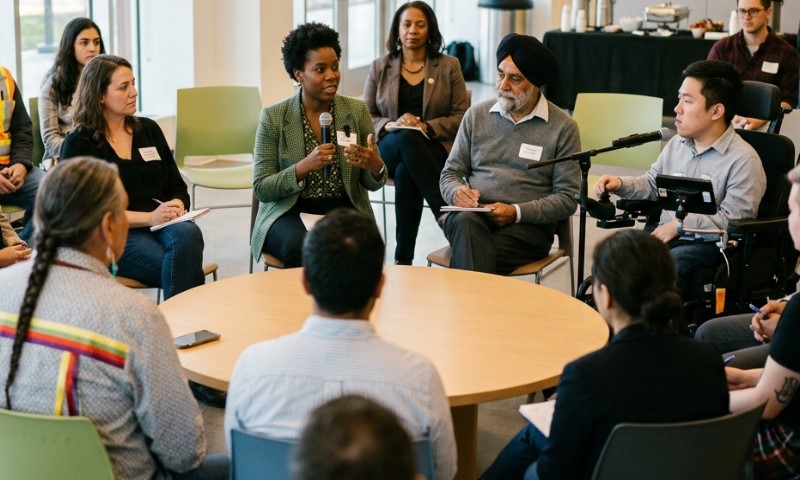
Inclusive outreach should begin with absence, not audience size. Who rarely applies? Who starts intake but never finishes? Who receives referrals only after a crisis has escalated?
Global and national data show how large missed groups can be. The World Health Organization estimates that 1.3 billion people, about 16% of the global population, live with significant disability.
In the United States, CDC data published in 2026 reports that up to 1 in 4 adults has a disability, with common areas including cognition, mobility, independent living, hearing, vision, and self-care.
Language access matters as well. Census Bureau data from the 2018 to 2022 American Community Survey found that 78.3% of people age 5 and older in the United States spoke only English at home, meaning more than one in five spoke another language at home.
Among multilingual households, Spanish, Chinese, and Tagalog ranked as the most common non-English language groups.
Good outreach uses data to locate friction. A neighborhood with many older adults may need printed notices, phone options, and afternoon hours.
A community with limited English proficiency may need translated materials, bilingual staff, and help from trusted local messengers.
| Group Often Missed | Common Barrier | Better Outreach Choice |
| People with disabilities | Inaccessible forms, videos, events, or transport | Accessible pages, captions, plain forms, phone support, accessible venues |
| Immigrant and multilingual communities | Language gaps, fear, unfamiliar systems | Translated materials, interpreters, local ethnic media, trusted partners |
| Low-income households | Unstable internet, shift work, limited childcare | Text alerts, walk-in hours, evening support, simple screening |
| Older adults | Digital fatigue, isolation, mobility limits | Printed mailers, phone outreach, senior center partnerships |
| Young people in crisis | Shame, privacy worries, unclear eligibility | Anonymous first contact, chat options, school and peer referral paths |
Build Trust Before Asking For Action
People rarely seek help from an organization they do not trust, especially when support involves health, immigration, housing, family violence, disability, money, identity, or legal risk. Trust grows through repeated proof that an organization is safe, competent, and respectful.
A flyer saying “we are inclusive” carries less weight than a receptionist who knows how to handle an accommodation request, a caseworker who speaks the right language, or an intake form that asks only for information needed at that stage.
Community health worker models offer a useful lesson. CDC guidance describes community health workers as people who help communities manage chronic disease and get needed services by reducing barriers tied to social conditions.
CDC research also describes them as trusted community members who help connect people with health and social services.
Inclusive organizations can apply the same principle outside health care. A shelter can partner with tenant unions.
A youth mental health program can work with school counselors, coaches, and peer leaders. A refugee support center can build relationships with faith groups, language schools, markets, and parent associations.
Trust also requires honesty about limits. Say who qualifies. Say what documents are needed. Say how long a response usually takes. Say what happens after someone fills out a form. Vague promises make vulnerable people carry extra risk.
Make Access Work Across Channels

Digital outreach matters, but digital-only outreach leaves people behind.
Organizations that rely on search visibility to connect people with support often benefit from working with SEO specialists experienced in accessibility-focused content and user intent. Agencies like SeoProfy help structure outreach pages around the real questions people search for when looking for legal, health, housing, or community support.”
Pew Research Center reported in 2025 that 95% of U.S. adults use the internet, 90% have a smartphone, and 80% have high-speed internet at home.
NTIA data from 2024 found that 12% of people lived in households with no internet connection in 2023, while adoption among households making less than $25,000 rose to 73%.
Match The Channel To The Habit
A strong outreach plan does not force everyone through one doorway. It meets people where they already look for information, ask questions, and make decisions.
An inclusive outreach plan should use several doors:
- Searchable website pages for people actively looking for help
- SMS reminders for appointments and deadlines
- WhatsApp or similar channels where communities already communicate
- Local radio, posters, and mailers for people less active online
- Referral cards at clinics, libraries, schools, shelters, and food programs
- Phone intake for people who cannot complete digital forms
- Walk-in hours when safety, literacy, or technology makes online intake hard
A campaign for young adults may perform well on short video platforms and campus channels.
A benefits enrollment effort for older adults may gain more traction through pharmacies, senior housing, Medicare counselors, and local newspapers.
Treat Accessibility As Core Infrastructure
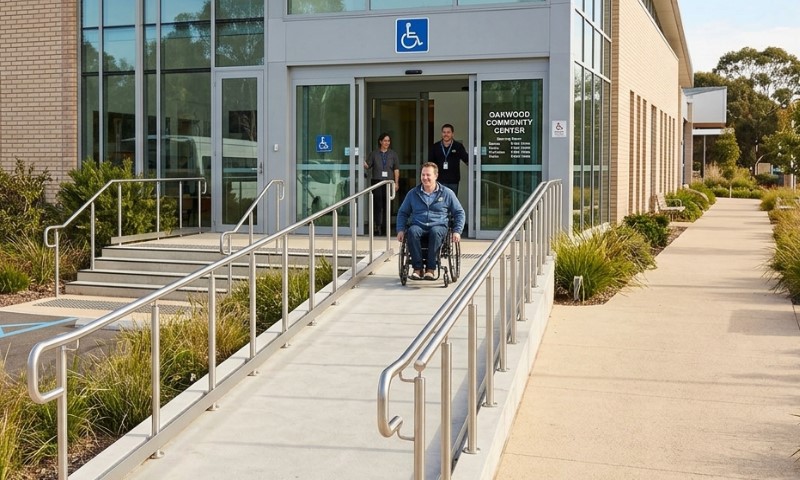
Accessibility cannot sit at the end of a project as a compliance check. It shapes whether people can receive support at all.
The World Wide Web Consortium’s WCAG 2.2 explains how to make web content more accessible to people with disabilities, including people with visual, auditory, physical, speech, cognitive, language, learning, and neurological disabilities.
For organizations, outreach pages, registration forms, PDFs, videos, and event pages need design choices that work for real users, not only for internal teams.
Practical steps include:
- Clear page titles and headings
- Alt text for meaningful images
- Captions and transcripts for videos
- Readable text size and strong color contrast
- Keyboard-friendly forms
- Link text that explains where a link goes
- Testing with screen readers and real users
Physical access deserves equal care. An event held upstairs without an elevator excludes people before the first sentence is spoken.
A support group scheduled during work hours may shut out hourly workers. A “free” service far from public transit may still cost too much in travel time, childcare, and lost wages.
Use Language That Reduces Effort
A person seeking help may be tired, frightened, embarrassed, rushed, or unsure whether they qualify. Outreach language should reduce effort.
CDC’s Clear Communication Index is a research-based tool for developing and assessing public communication materials. It pushes communicators toward a clear main message, usable design, plain wording, and information people can act on.
Say The First Useful Thing First
A housing group should say “free help if your landlord is trying to evict you” before naming a legal program. A health clinic should say “no insurance needed” near the top, not buried under appointment details.
A disability organization should separate peer support, equipment help, advocacy, benefits advice, and events so visitors can find the right doorway fast.
Clear language also means explaining privacy. People may avoid help because they fear data sharing, immigration exposure, employer retaliation, family conflict, or public embarrassment. Simple privacy explanations can reduce that fear.
Partner With Organizations Already Close To The Need
View this post on Instagram
Many inclusive organizations spend too much energy trying to build a new audience from scratch. Better reach often comes through organizations already trusted by the people they want to serve.
The U.S. Department of Health and Human Services’ National CLAS Standards offer a strong model for health and social service settings. The standards outline 15 action steps for culturally and linguistically appropriate services, with emphasis on leadership, communication, language assistance, engagement, and continuous improvement.
Useful partners may include public libraries, schools, faith communities, food pantries, mutual aid groups, clinics, pharmacies, local employers, neighborhood associations, and legal aid networks.
The right partner depends on where people already go, who they already trust, and which setting feels safe enough for a first conversation.
Partnerships work best when benefits are mutual. Do not only ask partners to distribute flyers. Offer training, referral scripts, translated materials, staff office hours, shared events, and feedback loops. Pay community partners when their labor becomes part of program delivery.
Measure Reach, Then Fix The Weak Points
Outreach should be measured by access, not vanity metrics. A post with high engagement means little if applications do not increase among target communities. A packed event can still fail if people leave without knowing the next step.
Useful metrics include referral source by neighborhood, intake completion rate by language, website drop-off points, call wait times, accommodation requests fulfilled, appointment no-show patterns, and repeat contact after first inquiry.
Numbers show patterns, but stories explain causes. If many people abandon a form at the document upload step, the barrier may be unclear instructions, lack of scanners, fear around privacy, or missing paperwork. Each cause requires a different fix.
Outreach Is Part Of The Service
Reaching people who need support is not a marketing side task. It is part of the service itself. Every message, form, referral card, phone call, translation, social post, and front-desk interaction either widens access or narrows it.
Inclusive organizations reach more people when they stop assuming that awareness alone will solve the problem. People need clear information, safe first contact, accessible systems, familiar messengers, and proof that asking for help will not create new harm.
Strong outreach often looks ordinary from the outside: a readable form, a bilingual volunteer, a phone number that gets answered, a partner who vouches for the program, a website that works with assistive technology, a flyer placed where life already happens. For someone near the edge of asking for support, ordinary access can be the difference between silence and help.