
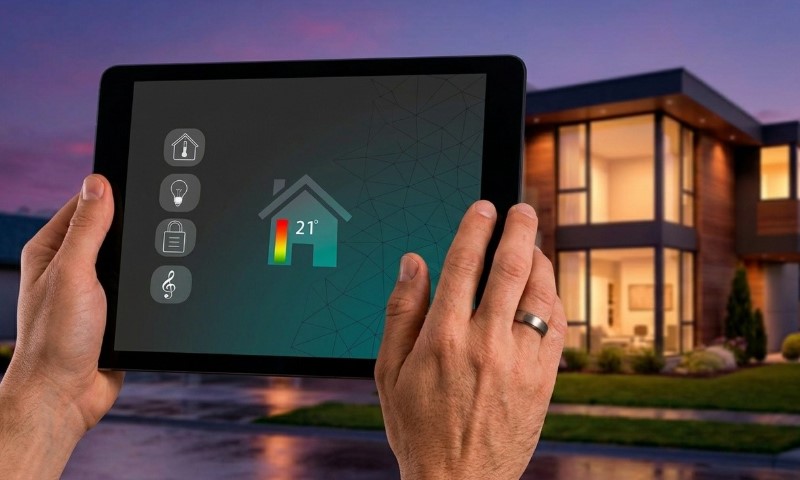

The Internet of Things, better known as IoT, matters because everyday objects are becoming part of a larger digital nervous system. Thermostats learn heating patterns. Cars receive remote safety updates. Medical devices send data to clinicians. Farms use sensors to manage water and livestock with far more precision than manual checks alone could allow.
IoT is no longer a futuristic label attached to gadgets. It has become a practical layer of modern life, shaping homes, hospitals, factories, cities, transport, farming, and personal health.
IoT Analytics estimated that connected IoT devices grew to 21.1 billion globally in 2025, a 14% rise from the previous year. That scale explains why connected technology now affects household budgets, public safety, energy use, medical care, and business operations at the same time.
What IoT Actually Means In Everyday Terms
IoT refers to physical objects fitted with sensors, software, and network connections so they can collect data, communicate, and trigger actions. A basic example is a smart thermostat that detects occupancy and adjusts heating or cooling.
A more advanced example is a hospital monitor that tracks patient data and feeds alerts into clinical systems.
The real shift is not the device itself. The shift comes from ordinary objects becoming responsive. A water meter can detect leaks. A delivery truck can report engine stress. A wearable can flag an unusual heart rhythm. A factory machine can alert technicians before a bearing fails.
| Area Of Life | IoT Example | Practical Impact |
| Home | Smart thermostat, leak sensor, security camera | Lower bills, faster alerts, better control |
| Health | Wearables, connected monitors, remote patient tools | Earlier warnings, more continuous care |
| Transport | Connected cars, V2X systems, telematics | Safer roads, remote updates, fleet efficiency |
| Farming | Soil sensors, livestock wearables, precision irrigation | Less waste, better timing, stronger yields |
| Cities | Smart lighting, traffic sensors, waste monitoring | Better public services, lower resource use |
Smarter Homes Are Becoming More Useful, Not Just More Connected
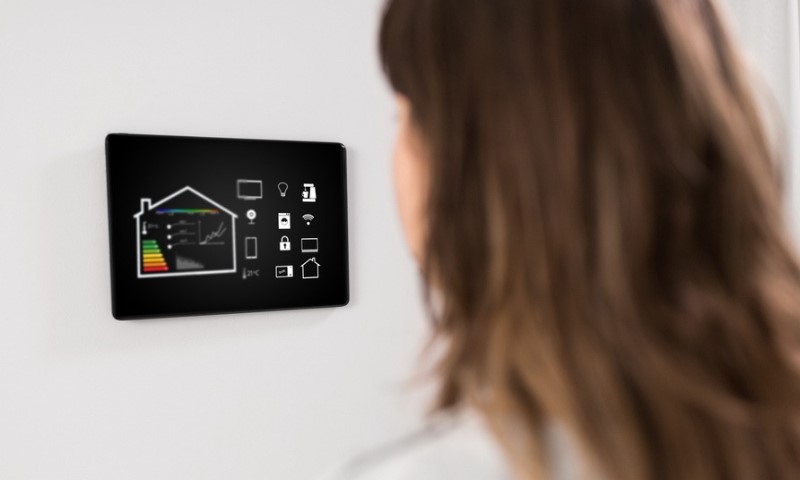
Early smart-home products often felt like novelty items. Voice-controlled bulbs and app-based plugs were convenient, but limited. Newer IoT homes are more practical because devices increasingly work together.
Reliable broadband sits underneath that shift. For households comparing internet options that can support smart TVs, cameras, thermostats, laptops, and phones at once, LocalCableDeals gives a useful look at Xfinity internet plans and speed tiers.
Smart thermostats offer a clear example. ENERGY STAR reports that certified smart thermostats save users about 8% on heating and cooling bills on average, or roughly $50 per year, depending on climate, comfort settings, occupancy, and HVAC equipment.
That may sound modest, but it matters because heating and cooling account for a major share of household energy use.
Home IoT also helps with risk prevention. Water leak sensors can alert owners before a small drip becomes a ruined floor. Doorbell cameras and smart locks can show package deliveries or provide temporary access.
Air-quality monitors can track humidity, particulate matter, or carbon dioxide levels in rooms where ventilation is weak.
Interoperability Is Finally Improving
One old frustration with smart homes was fragmentation. A camera worked with one app. A thermostat needed another. A light system ran through a separate hub.
Matter, a smart-home connectivity standard developed through the Connectivity Standards Alliance, aims to reduce that problem by giving devices a common IP-based language for reliable and secure ecosystems.
Its purpose is simple: make more products work across platforms instead of trapping users inside one brand’s system.
For households, that means the next wave of IoT should feel less like managing a drawer full of remotes and more like managing one coordinated home system.
Healthcare Is Moving From Occasional Visits To Continuous Signals
Healthcare may be one of the most important IoT frontiers because connected devices can turn scattered snapshots into ongoing patterns. A blood pressure cuff at home can share readings over time. A glucose monitor can help patients and clinicians see daily changes. Wearables can flag sleep, activity, oxygen saturation, and heart-rate trends.
Remote monitoring became more familiar during and after the pandemic, but its long-term value goes beyond convenience. Patients with chronic conditions often need frequent observation, yet clinic visits are brief. Connected devices can fill part of that gap by sending data from ordinary life rather than only from exam rooms.
Hospitals use IoT in different ways: asset tracking for equipment, temperature monitoring for medication storage, smart beds, connected infusion pumps, and patient monitors. Every added connection also creates a cybersecurity duty.
The FDA’s 2026 medical-device cybersecurity guidance tells manufacturers to address cybersecurity risk in device design, labeling, and premarket submissions, with the goal of making marketed medical devices more resilient against cyber threats.
That point matters. A connected medical device can improve care, but poor security can turn a helpful tool into a safety risk.
Cars Are Becoming Rolling IoT Platforms
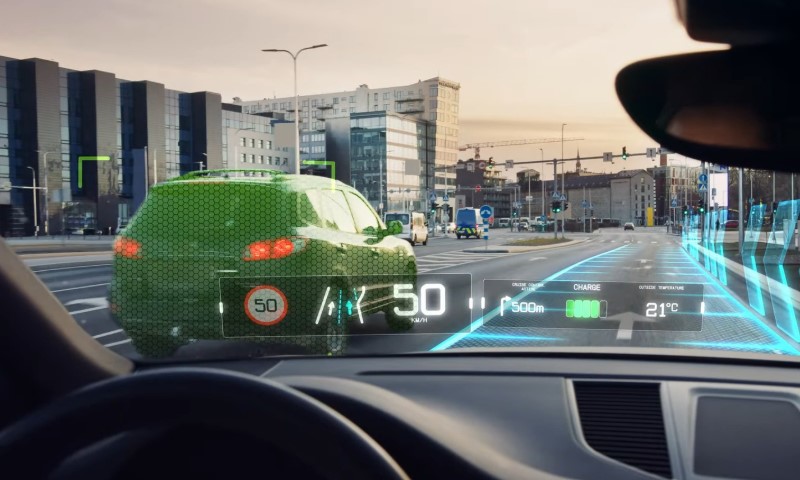
Modern vehicles already behave like connected devices on wheels. They gather information from sensors, software, GPS, cameras, driver-assistance systems, and onboard diagnostics. Some problems can be fixed with over-the-air updates instead of a service visit.
NHTSA noted in 2025 that more recalls are being remedied through over-the-air software updates, and it also pointed to vehicle-to-everything, or V2X, as a form of interoperable connectivity that can benefit drivers and infrastructure operators.
For drivers, IoT in transport shows up in several ways:
- Predictive maintenance alerts before a part fails
- Fleet tracking for delivery and logistics companies
- Usage-based insurance programs
- Remote locking, charging, and diagnostics
- Connected traffic and road-safety systems
Connected mobility also raises questions about data ownership. A vehicle can reveal driving habits, location patterns, charging behavior, and maintenance history. Consumers gain convenience, but manufacturers, insurers, and service providers gain valuable data.
Cities Are Using Sensors To Manage Pressure Points
Cities face a hard problem: more people, aging infrastructure, tighter budgets, and rising expectations for services. IoT gives local governments a way to measure problems in real time rather than relying only on fixed schedules or complaint lines.
Smart streetlights can dim when streets are empty and brighten when pedestrians or vehicles appear. Waste bins can report fill levels, allowing collection routes to focus on need. Air-quality sensors can detect pollution hot spots. Traffic systems can adjust signals according to real congestion rather than static timing.
The World Economic Forum listed collaborative sensing among its top emerging technologies for 2025, describing a future where vehicles, traffic systems, and emergency services coordinate in real time to improve safety and ease congestion.
The best smart-city projects are usually boring in a good way. They make buses more reliable, reduce wasted fuel, detect water leaks, improve emergency response, or cut energy use. Flashy dashboards matter less than cleaner streets, safer crossings, and fewer service failures.
Farms Are Getting More Precise About Water, Soil, And Livestock
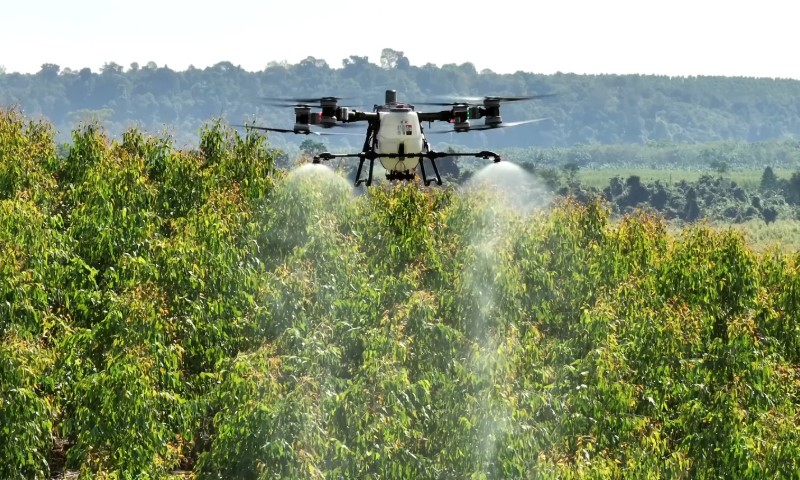
Agriculture has always depended on observation. Farmers look at soil, weather, animals, pests, and plant health. IoT adds a digital layer to that experience.
USDA research on precision agriculture notes that digital tools such as drones and satellite-linked systems are used for crop mapping, livestock monitoring, land surveying, spraying, and dusting. When paired with location technology, such tools help farmers make decisions across large areas with greater detail.
IoT use on farms can include:
- Soil moisture sensors that guide irrigation timing
- Weather stations that support spraying and harvest decisions
- Livestock wearables that monitor movement, heat stress, or illness signals
- Grain storage sensors that track humidity and temperature
- GPS-guided machinery that reduces overlap and waste
Water management is a major benefit. Rather than watering on a fixed schedule, farmers can respond to soil conditions and weather forecasts. That can reduce waste and protect yields, especially in areas facing drought pressure.
Factories Are Capturing Some Of The Biggest IoT Value
Factories may not receive as much public attention as smart homes, but industrial IoT is one of the strongest economic use cases.
McKinsey has estimated that factories could account for about 26% of IoT’s potential economic value by 2030, with factory IoT alone potentially generating up to $3.3 trillion.
Industrial IoT works because machines already create signals: vibration, heat, speed, pressure, output quality, downtime, and energy use. Sensors turn those signals into data that can guide maintenance, production planning, safety checks, and quality control.
Predictive maintenance is a common example. Instead of replacing parts on a fixed calendar or waiting for breakdowns, manufacturers can watch equipment behavior. A motor running hotter than normal or vibrating in a new pattern may need service before failure interrupts production.
Industrial IoT also supports worker safety. Sensors can monitor gas exposure, machine guarding, forklift movement, or temperature risks. In high-risk settings, faster alerts can prevent injuries.
Personal Wearables Are Becoming Health And Behavior Mirrors
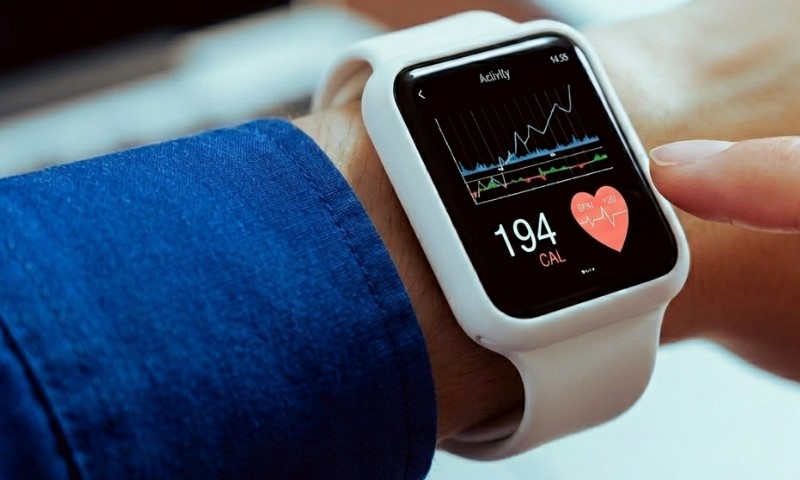
Fitness trackers and smartwatches began with step counts. They now track sleep, exercise intensity, heart-rate variability, menstrual cycles, blood oxygen estimates, falls, and irregular rhythm alerts.
The value lies in patterns. A single heart-rate reading may mean little. A month of resting heart-rate changes, poor sleep, reduced activity, and rising stress indicators may suggest a user should slow down, seek care, or adjust routines.
Wearables also create a cultural change. People are becoming more aware of data from their bodies. That can encourage better habits, but it can also create anxiety or overinterpretation. Consumer devices are helpful screening and tracking tools, not replacements for diagnosis.
Security And Privacy Are Now Central To IoT’s Future
Every connected device can become a weak point. A smart camera, baby monitor, router, car, pump, or medical monitor may contain software that needs updates. Poor passwords, outdated firmware, weak encryption, and unclear support periods create risk.
Governments are responding. The FCC’s U.S. Cyber Trust Mark program gives qualifying consumer smart products a cybersecurity label when they meet defined standards. The aim is to help buyers recognize products with stronger security practices.
Europe is moving in a similar direction through the Cyber Resilience Act, which requires connected digital products and software to be designed, updated, and maintained with cybersecurity in mind.
For consumers, practical IoT security comes down to a few habits:
- Change default passwords
- Enable automatic updates
- Separate guest and smart-device networks when possible
- Buy from brands that state support periods clearly
- Remove old devices that no longer receive updates
Where IoT Is Heading Next
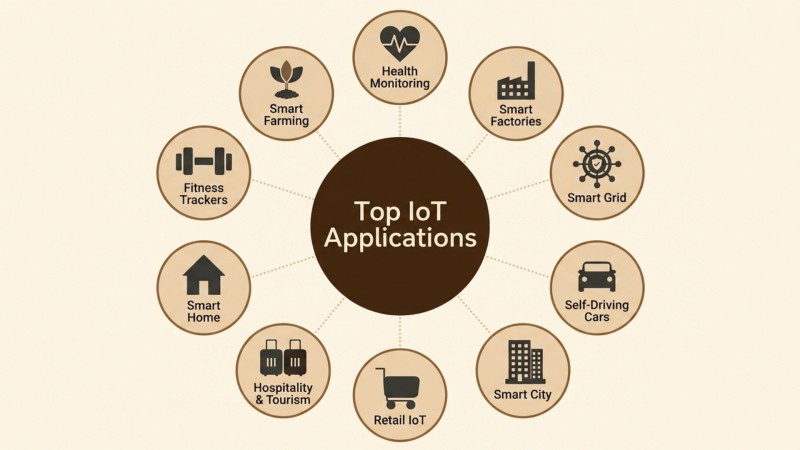
IoT is moving toward quieter, more automated service. The best systems will require less tapping, less app switching, and fewer manual settings. Edge computing will process more data near the device, reducing delays.
AI will help interpret sensor patterns. Better standards will reduce compatibility problems. Cybersecurity labels may influence buying decisions the way energy ratings already do.
The most useful IoT products will not feel futuristic. They will feel dependable. A home will avoid wasting energy. A car will receive a safety update overnight. A farm will water only where needed. A clinic will notice a worsening patient trend sooner. A city will fix a leak before a road fails.
Summary
IoT is shaping daily life by making ordinary systems more responsive. Homes save energy, vehicles update remotely, hospitals monitor patients more continuously, farms use water more carefully, and cities manage services with better data.
The main challenge now is trust. Connected life needs strong security, clear privacy rules, and devices that keep working safely long after purchase.