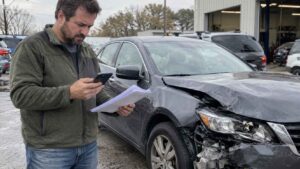
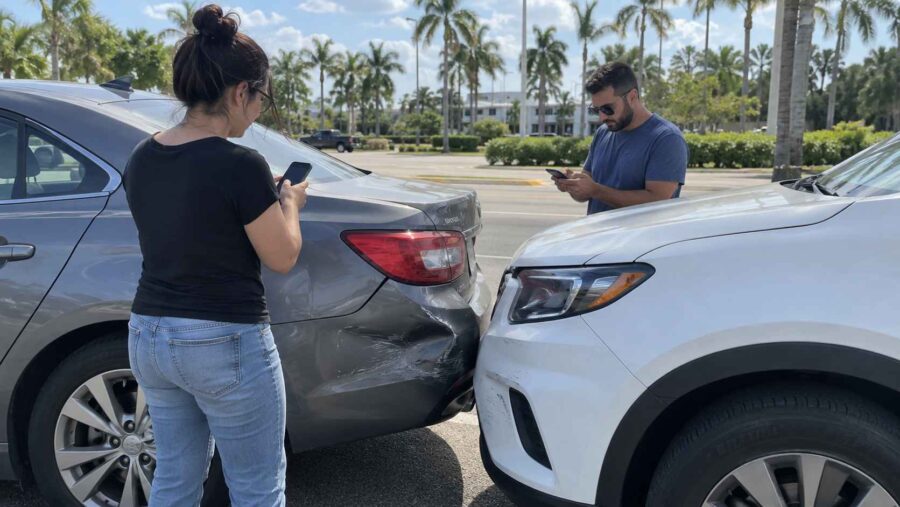

A minor fender-bender in Florida used to come with a familiar question: Do you need to call the police, even when nobody is hurt and both cars have only a few scratches?
As of October 1, 2026, the answer has changed for many drivers.
Florida’s new accident reporting law, introduced through Senate Bill 488, raises the property damage threshold for mandatory police notification to $2,000.
Previously, drivers had to notify law enforcement when apparent damage reached just $500. Now, more minor crashes can be handled without police involvement.
However, avoiding a police call doesn’t mean avoiding the responsibilities that follow an accident.
What Does Florida’s New Accident Reporting Law Say?
Florida’s Senate Bill 488 changed how drivers must respond to minor car accidents.
Effective October 1, 2026, the law amended Florida Statute 316.065, increasing the apparent property damage threshold for mandatory police notification.
Under the previous law, drivers had to contact law enforcement when a crash caused at least $500 in apparent property damage.
Now, that amount has increased to $2,000, making the threshold four times higher.
For example, consider a driver who accidentally backs into another vehicle in a parking lot, causing an estimated $800 in damage.
Before October 2026, that amount exceeded the reporting threshold. Under the new law, immediate police notification generally isn’t required if nobody is injured and no other circumstances create a reporting obligation.
Lawmakers intended the change to reduce unnecessary police responses and allow officers to concentrate on serious accidents and emergencies.
Still, an important distinction often gets overlooked. Florida’s new accident reporting law changes when drivers must notify police, but it doesn’t eliminate the requirement to file certain crash reports.
Drivers may still need to submit written documentation to the state, even when officers never visit the accident scene.
When Are Florida Drivers Still Required to Call the Police?
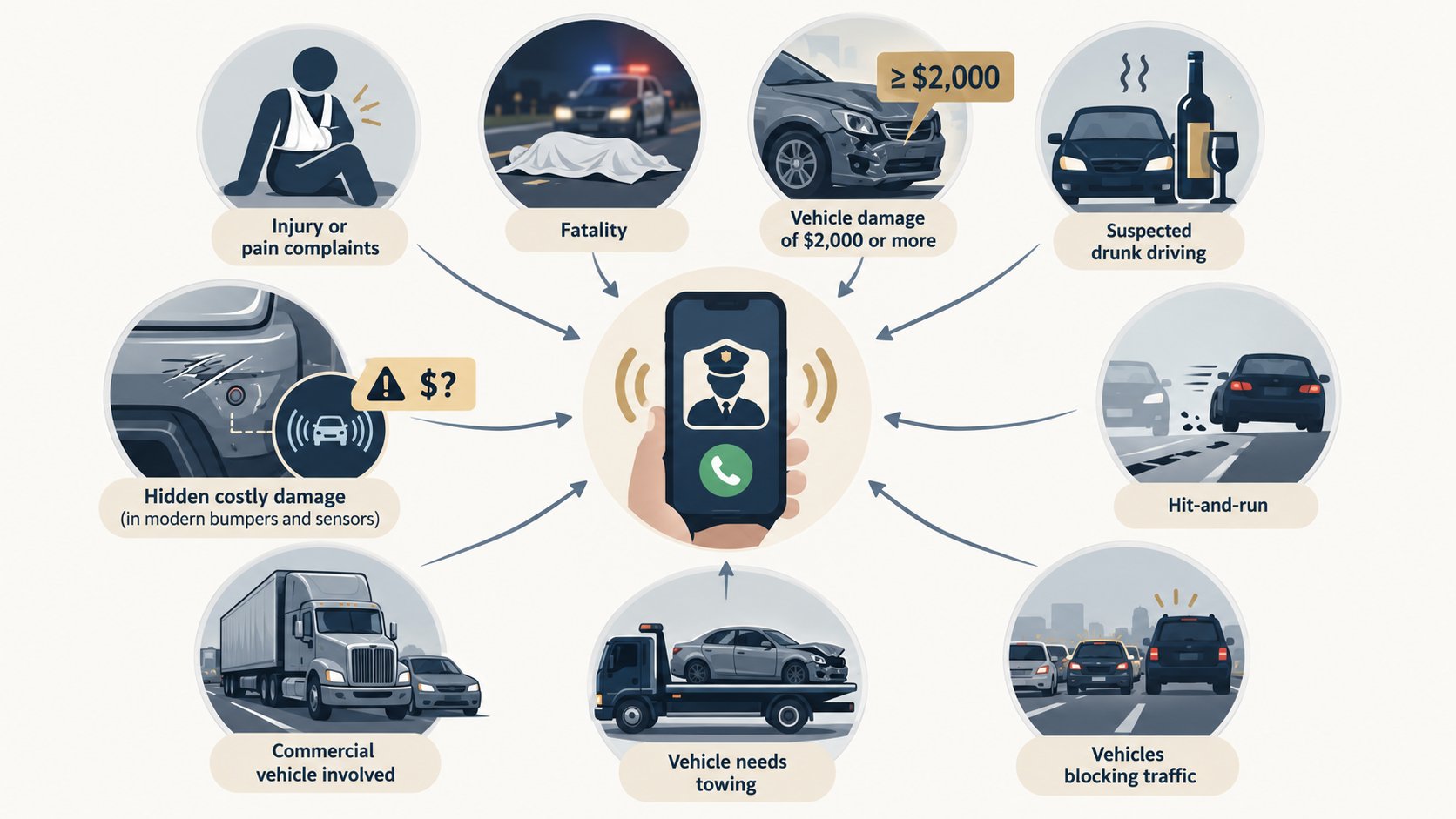
Although Florida’s new accident reporting law gives motorists more flexibility, certain accidents still require immediate police notification.
- Injuries – Any accident resulting in personal injury, regardless of the apparent property damage.
- Fatalities – Any collision involving a death.
- Property damage of $2,000 or more – Crashes meeting or exceeding the new threshold.
Other circumstances, including suspected drunk driving, hit-and-run incidents, and vehicles blocking traffic, can create additional legal obligations or safety concerns.
Crashes involving commercial vehicles or vehicles requiring towing can also trigger specific police documentation requirements.
Even complaints of pain or discomfort matter.
Florida law requires a long-form police crash report when an investigating officer encounters indications of injury, including complaints of pain.
Estimating vehicle damage presents another challenge.
Modern cars contain parking sensors, cameras, radar equipment, and electronic components hidden behind exterior panels. A bumper that looks slightly scratched might require repairs costing several thousand dollars.
These hidden expenses are becoming more significant as vehicle repair costs continue to rise across the United States.
Consequently, drivers shouldn’t assume that a small dent automatically falls below the $2,000 threshold. When damage appears close to that amount, contacting law enforcement is a sensible precaution.
Disputes can become more complicated when repair costs exceed initial estimates or injuries appear later. In such cases, consulting a Florida injury advocate can help drivers assess their legal options and avoid mistakes that could affect an insurance claim.
What Should You Do After a Minor Accident in Florida?
A minor accident can still create insurance problems if drivers leave without collecting the necessary information.
Florida’s new accident reporting law makes careful documentation especially important because police officers may not attend every collision.
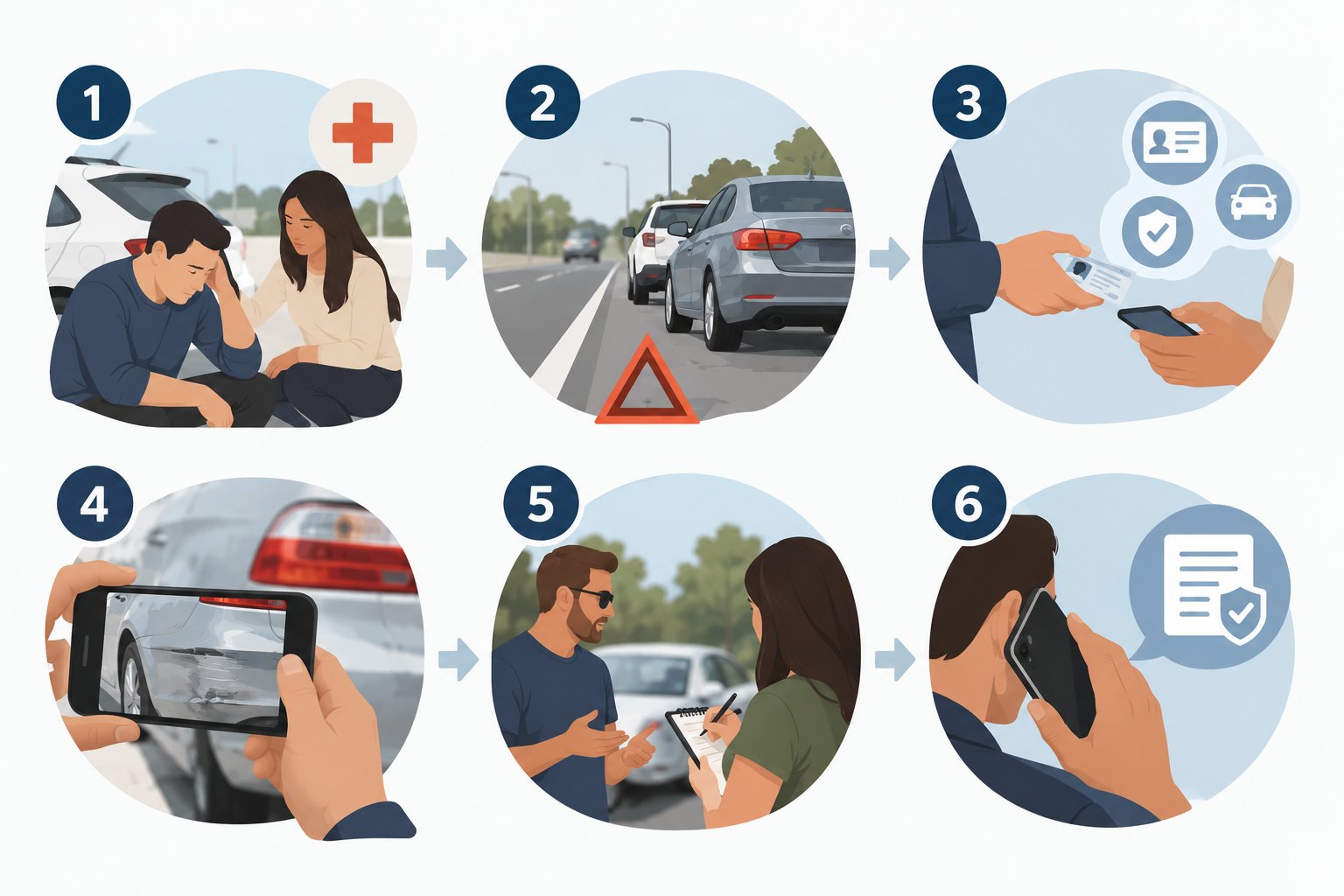
Following an accident, drivers should take several practical steps:
| Step | Action | Details |
| Check for injuries | Check everyone’s safety. | Seek medical help if needed. |
| Move somewhere safe | Clear active traffic. | Move vehicles if safe and legal. |
| Exchange information | Collect driver details. | Names, licenses, plates, and insurance. |
| Photograph the scene | Document damage and positions. | Include signs, roads, and debris. |
| Speak with witnesses | Identify witnesses. | Collect names and contact details. |
| Contact your insurer | Report the accident promptly. | Follow policy requirements. |
Documentation becomes particularly valuable when the drivers disagree about who caused the collision.
For example, someone might initially accept responsibility for backing into another vehicle but later tell their insurance company a different version of events. Photographs, witness details, and written notes can help establish what happened.
Accurate documentation becomes even more important when a collision involves uninsured or underinsured drivers, since recovering compensation can be more complicated.
Don’t Forget Florida’s 10-Day Reporting Requirement
Drivers should also know that avoiding immediate police notification doesn’t necessarily eliminate written reporting obligations.
Under Florida Statute 316.066, a driver involved in a crash causing vehicle or other property damage that does not require a law enforcement report must submit a written report to the Florida Department of Highway Safety and Motor Vehicles (FLHSMV) within 10 days.
Drivers can use the state’s Driver Report of Traffic Crash form to document qualifying incidents.
Keeping copies of the completed report, photographs, and insurance correspondence can make future claims easier to manage.
Why Calling the Police May Still Be a Good Idea
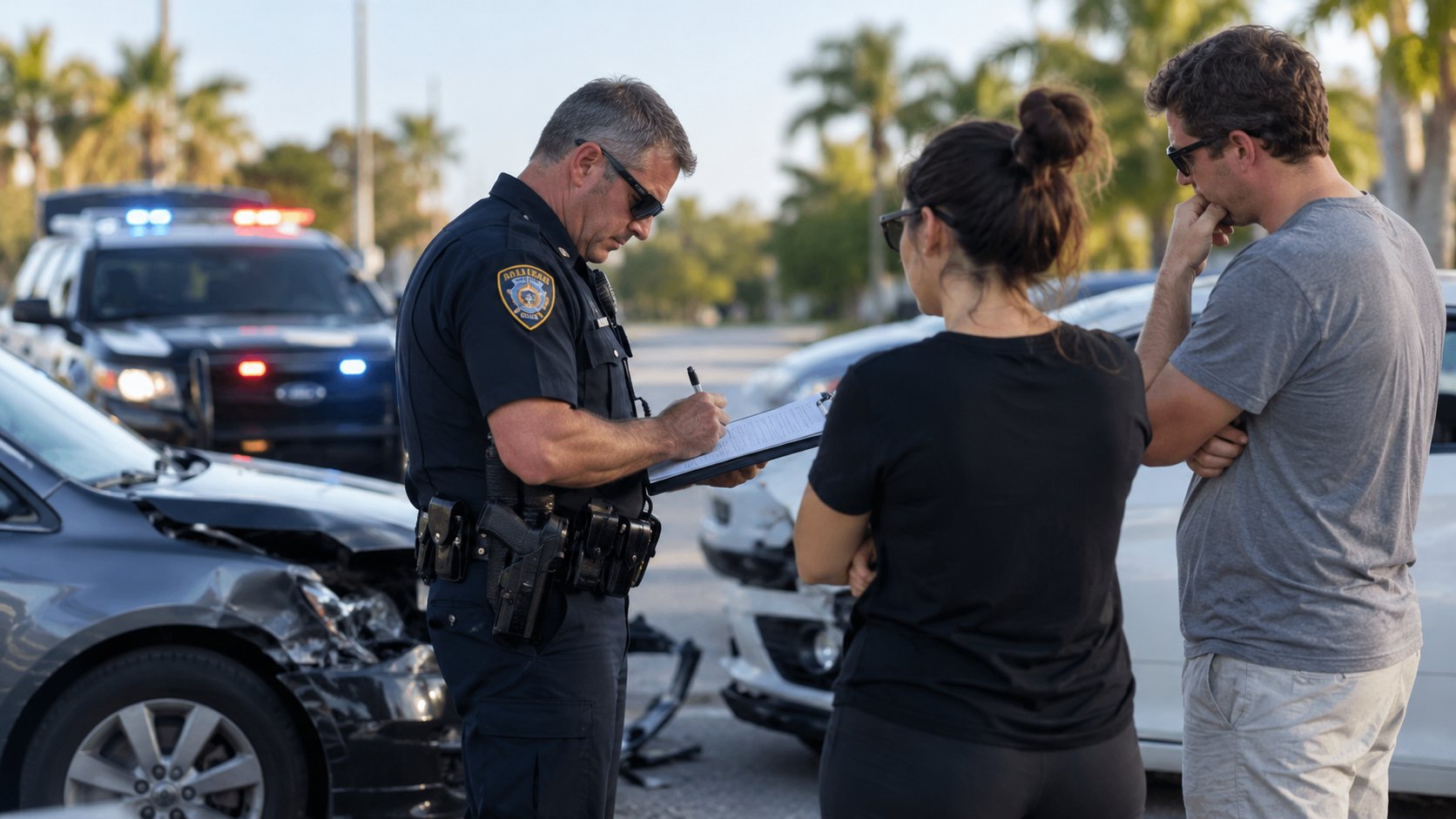
Florida’s new accident reporting law reduces the number of crashes requiring police notification, but calling law enforcement can still be helpful.
An official police crash report provides documentation of the accident, including its location, time, involved vehicles, available witness information, and insurance details.
Such records become particularly important when questions arise about responsibility.
Without independent documentation, insurance companies may need to rely heavily on conflicting statements given by the drivers. Establishing responsibility also matters because insurance companies can sometimes raise rates after an accident, even when the policyholder wasn’t at fault.
Another concern involves injuries that aren’t immediately obvious.
Neck pain, back discomfort, and other symptoms can develop hours or days after a collision. Someone who feels fine immediately afterward might discover an injury later that evening.
Florida’s Personal Injury Protection (PIP) insurance rules make timely medical attention especially important.
Under Florida Statute 627.736, drivers generally must receive qualifying initial medical treatment within 14 days of an accident to access PIP medical benefits.
Missing that deadline can affect eligibility for medical expense coverage, even when an accident initially seemed harmless.
Police involvement isn’t required to qualify for PIP benefits, but an official report can provide useful supporting documentation.
Of course, calling doesn’t guarantee an officer will arrive. Police departments may choose not to dispatch officers to minor property-damage accidents that don’t meet mandatory notification requirements.
In those situations, drivers should document the collision themselves and complete any required state reporting.
What Happens if You Don’t Report a Car Accident in Florida?
Failing to report an accident can create legal and financial consequences, depending on the circumstances.
Under Florida Statute 316.065, drivers who fail to notify law enforcement immediately when legally required commit a noncriminal traffic infraction classified as a nonmoving violation.
That requirement applies to accidents involving injuries, deaths, or apparent property damage of at least $2,000.
Drivers should also distinguish between two reporting obligations.
Police notification: Qualifying accidents require immediate notification using the quickest available communication method.
Written crash reporting: Certain accidents that don’t require a law enforcement report must still be reported to FLHSMV within 10 days.
Florida doesn’t impose a universal 24-hour police-reporting deadline for every accident. Reporting obligations depend on the circumstances and the applicable statute.
Insurance requirements create another consideration.
Even when a crash doesn’t require police notification, insurance policies may require drivers to report accidents promptly. Failing to provide timely notice can complicate a claim or jeopardize coverage when policy conditions aren’t satisfied.
Private agreements between drivers don’t automatically override these responsibilities.
For example, two motorists might agree to pay for vehicle repairs without contacting their insurers. Such an arrangement doesn’t cancel any reporting duties imposed by Florida law.
Repair estimates can also change. Damage that initially looks inexpensive might turn out to involve costly electronic equipment or structural components.
Handling a collision privately may seem convenient, but drivers should be confident they aren’t overlooking their legal obligations.
Closing Thoughts
Florida’s new accident reporting law gives drivers more flexibility after minor collisions by raising the mandatory police-notification threshold to $2,000.
However, accidents involving injuries or fatalities still require immediate notification, regardless of the damage amount.
Exchanging information, documenting the scene, notifying insurers, and meeting applicable reporting deadlines are still essential.
Florida also remains among the states with the highest annual traffic fatality totals, making accident awareness important beyond minor collisions. A broader comparison of traffic accidents across US states puts those risks into perspective.
Not every minor accident requires calling the police anymore, but taking the right steps afterward can prevent much bigger problems down the road.