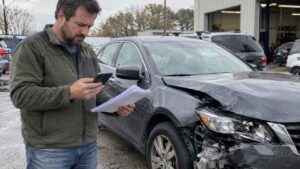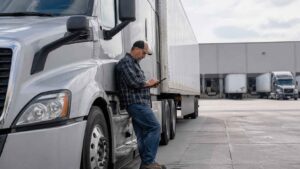
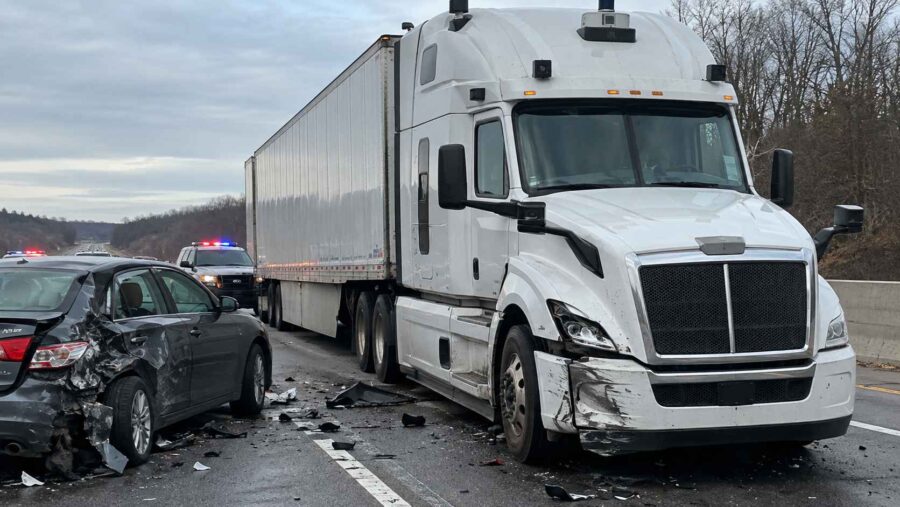

Imagine driving along a highway when a tractor-trailer suddenly changes lanes and strikes your car. The damage is serious, but when you look into the truck cab, something seems wrong. There is nobody behind the wheel.
Who pays for the damage when the truck was driving itself?
The answer depends on who operated the truck, who developed its automated driving system, what caused the collision and where the accident happened. A trucking company, technology developer, vehicle manufacturer or maintenance contractor could face liability, depending on the evidence.
Driverless commercial trucking is already operating on American roads. The legal questions surrounding accidents are becoming increasingly important as transportation companies introduce trucks capable of completing highway journeys without a human driver.
Driverless Trucks Are Already Carrying Freight on American Highways
In April 2025, Aurora began commercial driverless trucking operations between Dallas and Houston, Texas. The company confirmed its launch in a May 2025 announcement, describing regular freight deliveries using heavy-duty trucks without a driver behind the wheel.
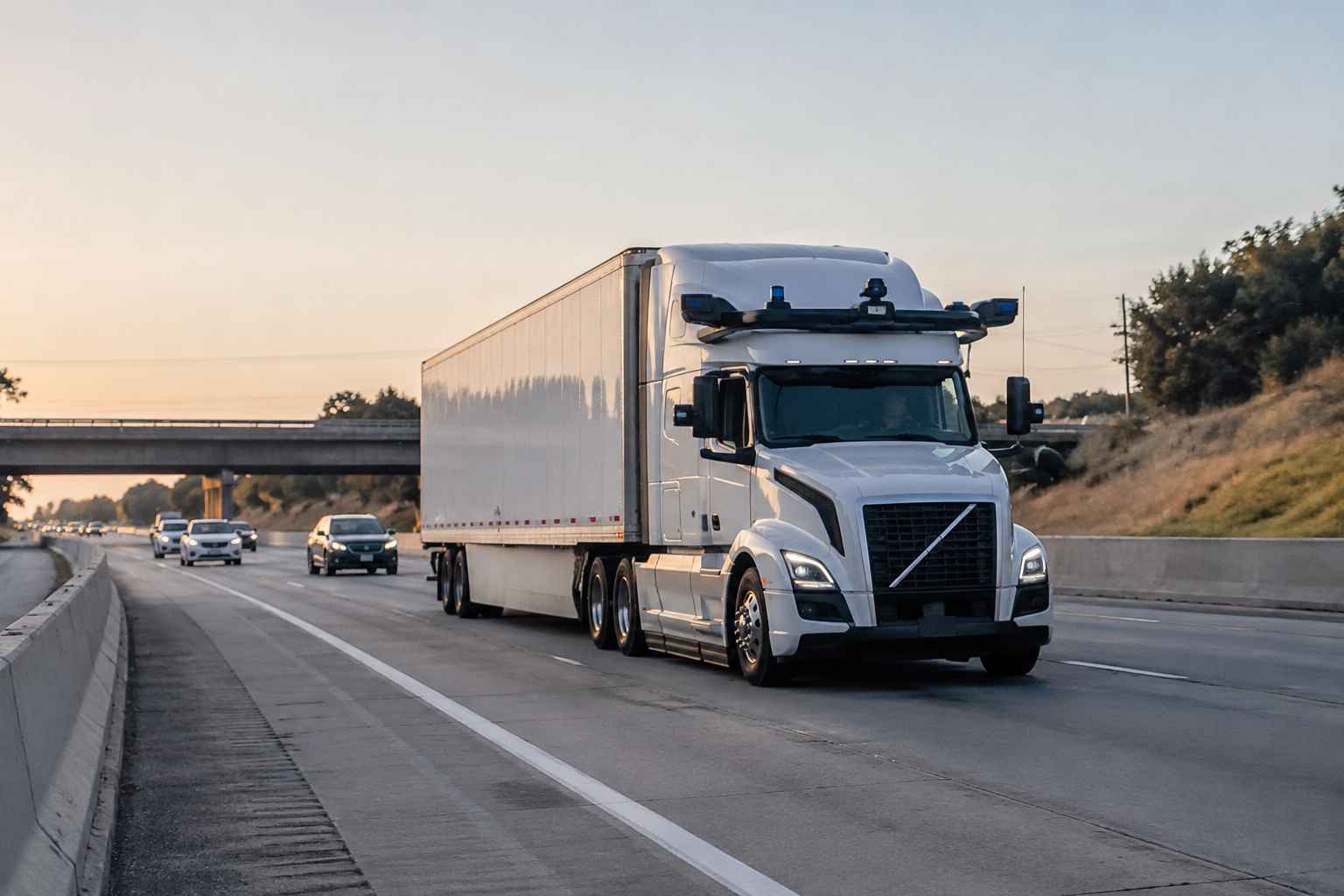
The vehicles use automated driving technology designed to control steering, acceleration, braking and decisions about surrounding traffic. Cameras, radar and other sensors help the system monitor road conditions.
However, not every truck equipped with automated technology is truly driverless. Some vehicles still have human drivers who must supervise the system and take control when necessary.
The Level of Automation Changes the Legal Questions
The National Highway Traffic Safety Administration, or NHTSA, distinguishes between driver assistance and automated driving systems. Under federal automated-vehicle reporting rules, Level 2 systems still require continuous human supervision, even when the vehicle controls steering and speed.
Automated trucking is also changing the responsibilities of professional drivers, while federal authorities continue updating commercial driver licensing rules for traditional trucking operations.
Level 4 technology is designed to perform the driving task without human intervention under specified operating conditions. Those conditions might limit the vehicle to certain highways, weather conditions or routes.
For an accident investigation, identifying the operating mode is essential. Investigators need to establish who controlled the truck immediately before the collision and what responsibilities belonged to the human operator or automated system.
Who Can Be Held Responsible for a Driverless Truck Accident?
A collision involving an autonomous truck does not automatically create liability for the technology company that developed its software. Investigators must establish the cause of the accident and identify the companies or individuals whose conduct contributed to it.
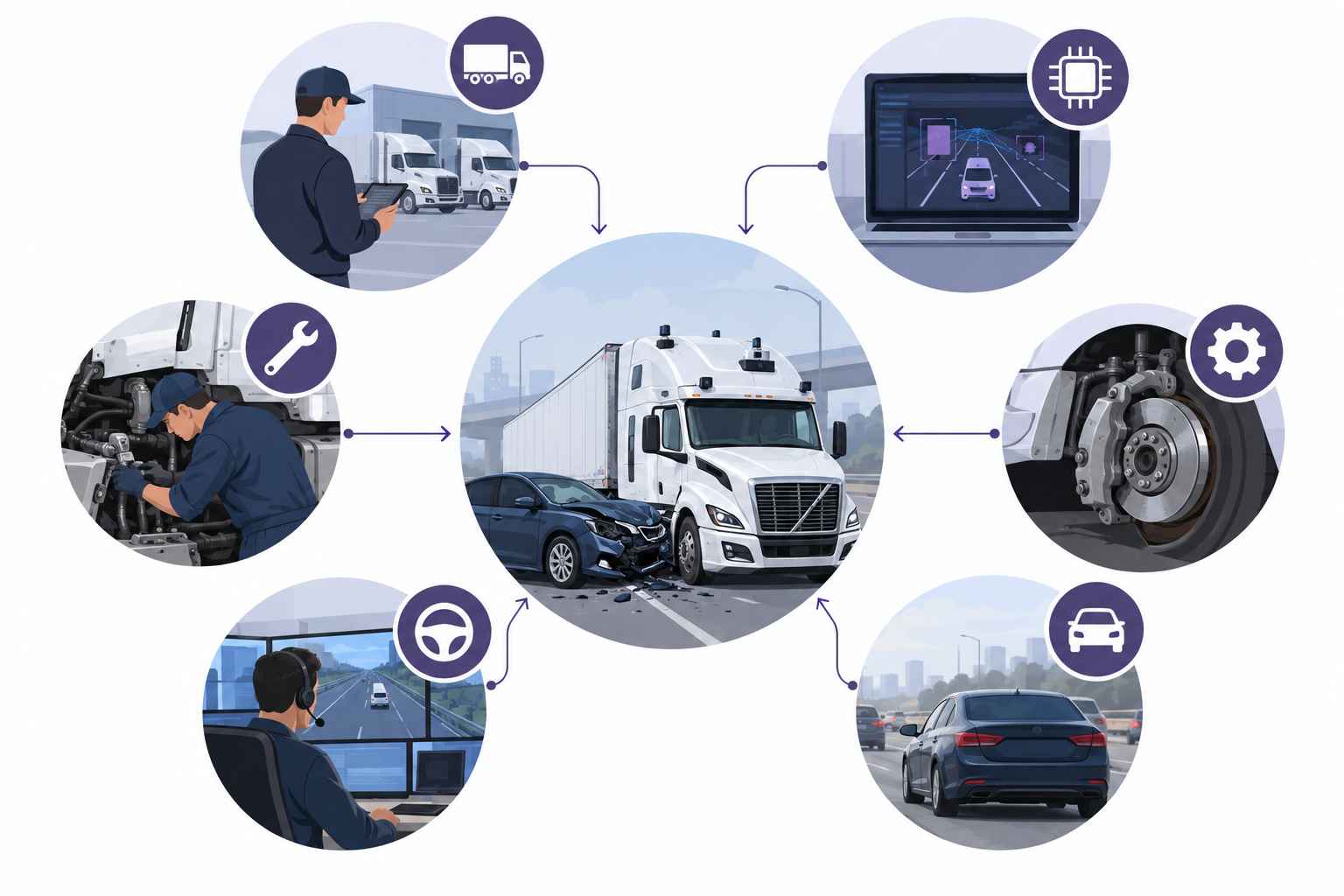
Several parties may be involved in a commercial trucking operation, and more than one could ultimately share responsibility.
| Potentially Responsible Party | When Liability May Arise |
| Trucking company or fleet operator | The company operated the truck negligently, neglected maintenance or used the vehicle outside approved conditions. |
| Automated driving technology developer | A defective driving system or inadequate safety warning contributed to the collision. |
| Truck or component manufacturer | A defective brake, sensor, steering component or other vehicle part caused or contributed to the damage. |
| Maintenance contractor | Improper servicing, inspection or repair created a dangerous condition. |
| Human driver or remote operator | A person with an applicable duty of control or supervision failed to perform it reasonably. |
| Another road user | Another driver caused or contributed to the crash through unsafe driving. |
The key issue is the evidence connecting a particular action, omission or product defect to the collision. Merely being associated with the truck does not establish legal responsibility.
When the Trucking Company May Be Liable
A commercial operator remains responsible for important aspects of its business even when automated software performs the driving.
For example, a company might authorize a driverless trip despite knowing that a necessary sensor was malfunctioning. Alternatively, it might send a truck along a route outside the conditions for which the automated system was designed.
If the evidence establishes that an unreasonable operational decision caused the collision, the company could face a negligence claim.
When the Software Developer May Be Liable
The developer of an automated driving system could face a product liability claim if a defect in the technology contributed to an accident.
Consider a truck that fails to recognize a stopped vehicle despite operating within its intended conditions.
The reliability of automated safety systems is particularly important as regulators examine automatic braking rules for heavy trucks.
Investigators would examine sensor information, system decisions, software performance and any relevant warnings.
A software failure does not automatically establish liability. The legal analysis depends on the alleged defect, applicable product liability law and proof that the defect contributed to the injuries or property damage.
When More Than One Company Shares Responsibility
An autonomous truck collision might involve several related failures. A sensor manufacturer could supply a defective component, a maintenance contractor might overlook an existing problem, and the fleet operator could continue using the vehicle despite warning messages.
Responsibility would depend on the legal duties and conduct of each party. State law governs how fault is allocated and how that allocation affects compensation.
Legal Representation After a Serious Truck Accident
Determining liability becomes particularly complicated when an injured person must obtain records from several companies involved in operating the same vehicle.
Always look for legal assistance locally, as states could have different regulations In Philadelphia, for example, Car Accident Lawyers from The Levin Firm handles commercial truck accident claims involving insurance disputes, accident investigations and serious injuries. Legal assistance can be especially relevant when the evidence is controlled by trucking companies, equipment manufacturers or other businesses connected to the collision.
Federal Regulations Still Apply to Automated Commercial Trucks
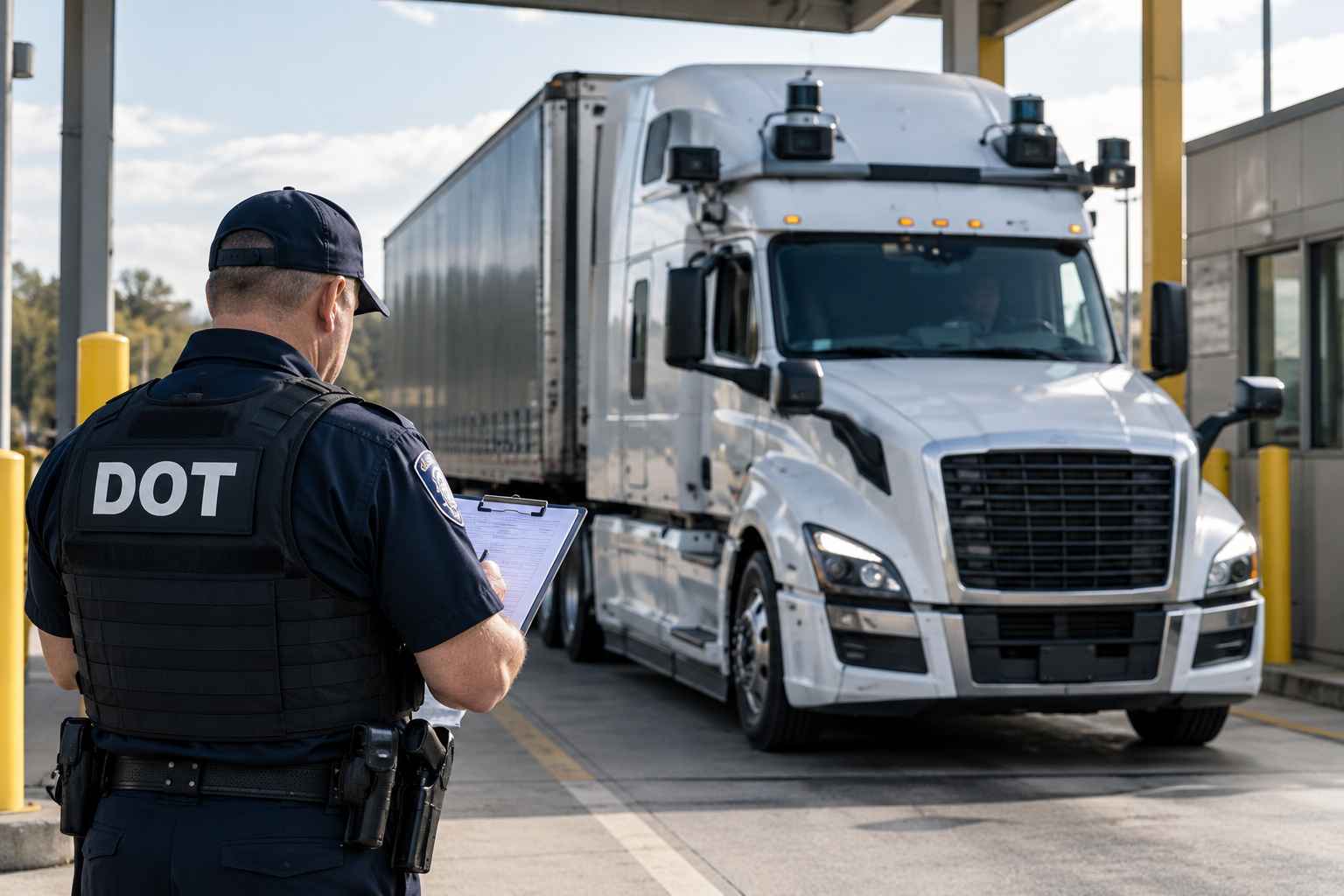
Driverless technology does not place commercial trucks outside the existing system of federal motor carrier safety regulations.
The Federal Motor Carrier Safety Administration, or FMCSA, oversees commercial motor vehicle safety. Its regulations address areas including vehicle maintenance, operating requirements, inspections and financial responsibility.
The agency has also examined how existing requirements should apply to vehicles that operate without human drivers. In its automated truck rulemaking initiative, FMCSA sought information about regulatory changes needed for the safe introduction of automated commercial vehicles.
Federal Regulators Have Approved a Limited Exemption for Driverless Trucks
One particularly revealing example involves the warning devices truck drivers normally place behind stopped commercial vehicles.
Traditional regulations require warning triangles or other approved devices when certain trucks stop on a highway or shoulder. A fully driverless truck has nobody available to step outside and position those devices.
In 2026, FMCSA granted a five-year exemption involving cab-mounted warning beacons for qualifying Level 4 automated trucks operated by Aurora and other carriers that meet the notification conditions.
The exemption permits approved warning beacons instead of certain traditional roadside warning-device requirements. It does not eliminate other applicable commercial vehicle safety obligations.
The decision also demonstrates how regulators are adapting rules written around human drivers to vehicles with no person in the cab.
Insurance Requirements Do Not Disappear
Commercial motor carriers remain subject to applicable financial responsibility requirements.
Under 49 CFR Section 387.9, the federal minimum for many for-hire interstate property carriers operating trucks weighing at least 10,001 pounds is $750,000 in public liability coverage. Certain hazardous-material operations have higher requirements.
The exact coverage obligations depend on the carrier, cargo, operations and applicable state law. A federal minimum is also not a guarantee that insurance will cover the entire loss from a serious collision.
Compensation can become more complicated when a collision involves uninsured or underinsured drivers, particularly when damages exceed available coverage.
Pennsylvania Has Specific Rules for Highly Automated Vehicles
Pennsylvania provides a useful example of how states are addressing driverless operations.
Under Act 130 of 2022, which took effect in July 2023, the state established a framework allowing qualifying highly automated vehicles to operate under specified requirements.
The Pennsylvania Vehicle Code, Section 8508, requires qualifying certificate holders to maintain financial responsibility of at least $1 million per accident for third-party death, bodily injury and property damage.
Certificate holders can meet applicable requirements through qualifying insurance or approved alternatives, including certain self-insurance arrangements.
The provision establishes a financial protection requirement. It does not mean every collision involving an automated vehicle automatically produces a $1 million payment.
How Pennsylvania Treats Driverless Operation
The PennDOT automated vehicle guide explains that the need for a human driver depends on the design and intended operation of the vehicle.
Some vehicles require a licensed driver inside. Others are designed to operate without an onboard driver under permitted conditions.
A collision in Philadelphia could therefore raise questions involving state automated-vehicle rules, ordinary negligence law and federal commercial trucking requirements.
Why the Location of the Accident Is Important
A crash in Pennsylvania is not automatically governed by the same liability rules as a crash in Texas or Arizona.
States have their own negligence standards, product liability doctrines, insurance laws and procedures for allocating fault. Interstate operations can create additional questions about which jurisdiction has authority and which law applies.
The legal analysis begins with the circumstances of the collision, not simply the headquarters of the technology company.
What Evidence Determines Liability After an Autonomous Truck Crash?
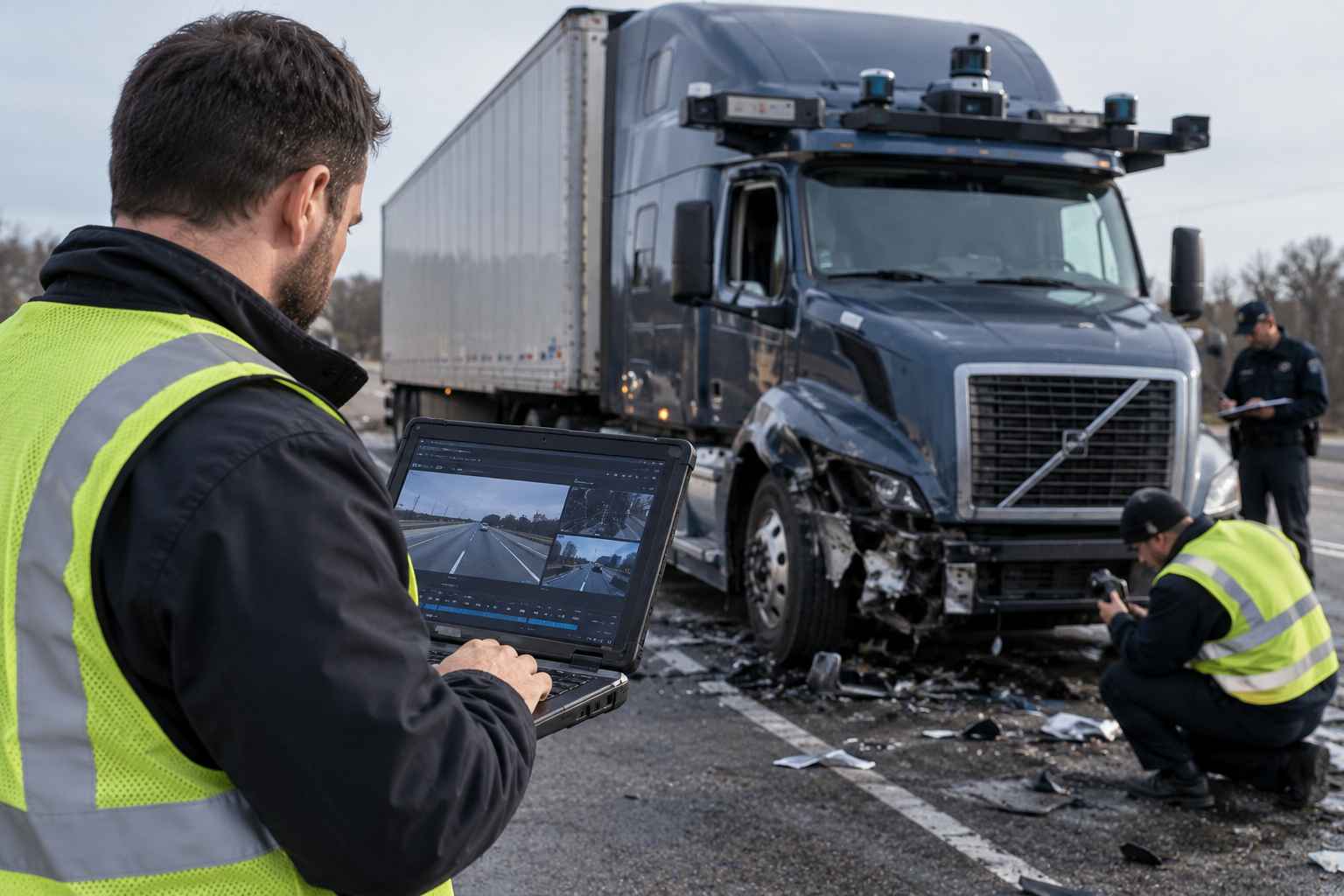
Traditional truck accident investigations rely on photographs, witness statements, vehicle inspections and electronic records. Automated trucks introduce another potentially important source of evidence.
Understanding broader patterns in U.S. traffic accidents can provide context, although liability in an individual collision still depends on its specific evidence.
The vehicle may record information about its surroundings and the decisions made by its driving system.
Electronic Records Can Show What the Truck Detected
Relevant evidence may include vehicle speed, braking events, steering commands, sensor observations and the operating status of the automated driving system.
Investigators may also examine software versions, maintenance history, operational restrictions and communications with remote support personnel.
Access to those records is not automatic. Evidence requests, preservation obligations and court procedures can become important when the records belong to private technology companies.
A Hypothetical Highway Collision
Consider a driverless tractor-trailer traveling on a highway when traffic suddenly slows ahead. The truck continues forward and strikes the rear of a passenger vehicle.
- Was the automated driving system engaged when traffic slowed?
- Did its sensors detect the vehicles ahead?
- Did the system command braking, and did the brakes respond?
- Was the truck operating within its approved conditions?
- Did another driver contribute to the collision?
If the system recognized the hazard and commanded braking but a defective brake component prevented the truck from stopping, the mechanical failure could be central to the case.
If the brakes worked correctly but the driving system failed to respond to a visible hazard, investigators would examine the automated system and its design.
Neither scenario alone proves liability. Each describes evidence that could help establish the cause of the collision.
Who Pays When Nobody Was Driving?
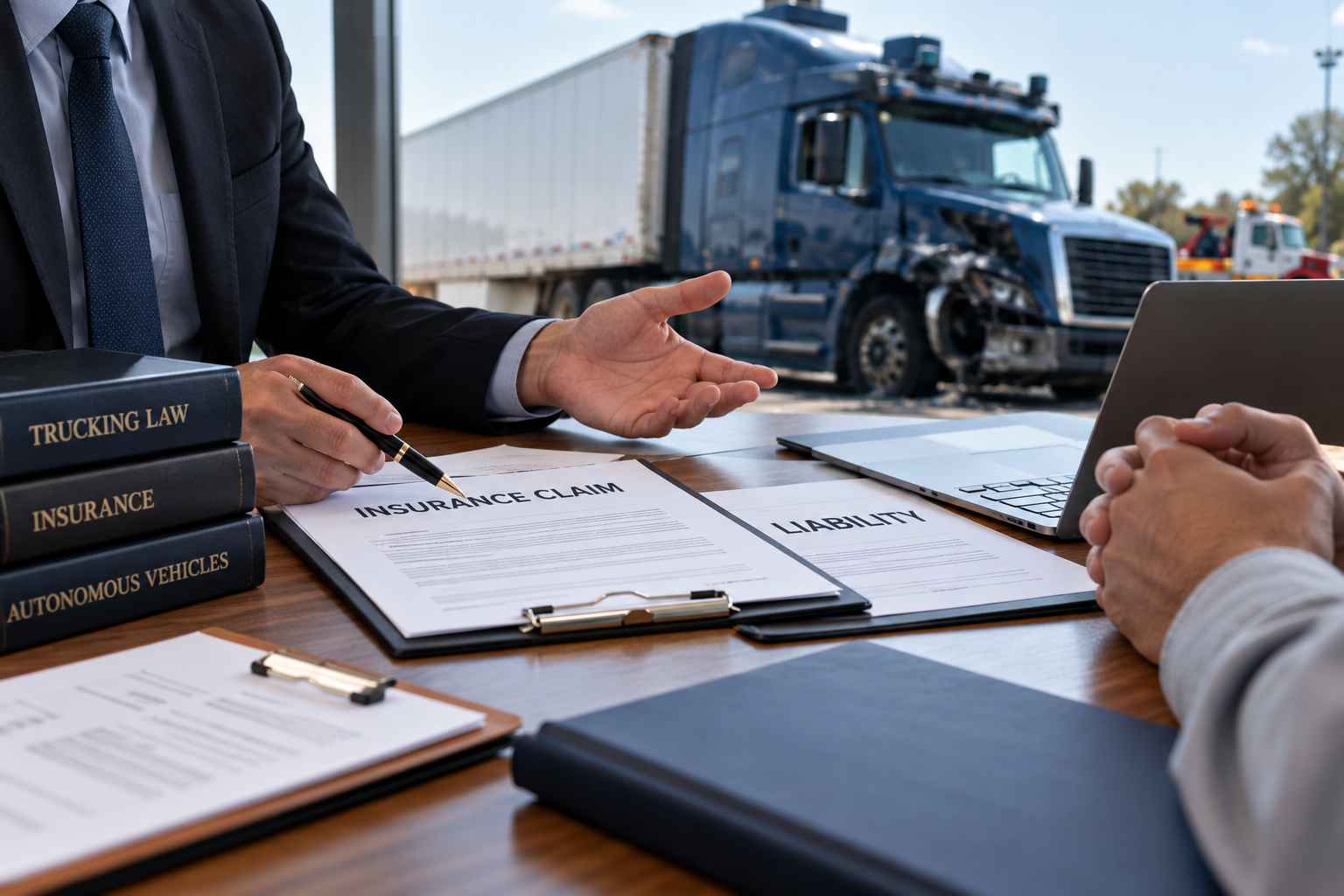
The absence of a human driver does not mean there is nobody legally accountable for a collision.
A driverless truck is still owned, maintained and operated through decisions made by companies and people. Its automated system is designed, tested and updated by organizations with identifiable responsibilities.
The difficult part is proving how those responsibilities connect to the accident. A defective component, unsafe operating decision or negligent maintenance practice can lead investigators toward different parties.
As commercial driverless trucking expands, courts and regulators will continue addressing questions that traditional trucking law never had to confront directly.
For drivers sharing the road with autonomous trucks, the fundamental protection remains the same. A person who suffers damage should have a legal route to seek compensation from parties whose legally actionable conduct or defective products caused the loss.