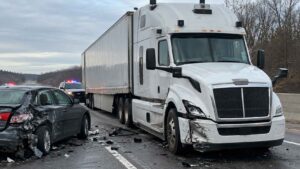
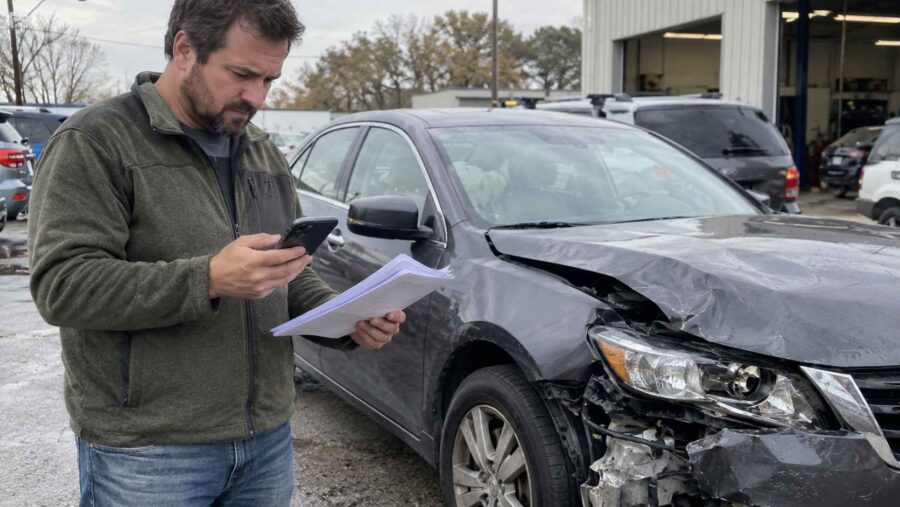

A Texas driver gets into an accident, takes the car to a repair shop and receives an estimate for $7,500. A few days later, the insurance company comes back with a much lower figure. According to its adjuster, the damage is worth only $4,800.
For the driver, that leaves an uncomfortable question. Who gets to decide how much the damage is actually worth?
Texas has strengthened the rules governing disagreements over insurance claim values. Under Senate Bill 458, personal auto insurance policies issued or renewed on or after January 1, 2026, must include an appraisal provision that gives policyholders a formal way to challenge the amount of a covered loss.
The change gives drivers a process for obtaining an independent assessment instead of relying entirely on the insurer’s estimate. However, the protection has limits. It applies to disputes over the value of a loss, not every disagreement that arises after a car accident.
What Changed for Texas Drivers in 2026?
Senate Bill 458, passed by the Texas Legislature in 2025, added Chapter 1813 to the Texas Insurance Code. The law requires covered personal automobile and residential property insurance policies to include an appraisal process for disagreements over the amount of a loss.
The legislation took effect on September 1, 2025, with its new appraisal requirements applying to policies issued, delivered or renewed beginning January 1, 2026.
Before the legislation, appraisal provisions were already found in many insurance contracts. The problem was that policy language and available procedures were not always consistent. The new law establishes a statutory requirement for the covered policies.
According to Chapter 1813 of the Texas Insurance Code, the purpose of appraisal is to determine the amount of loss when the policyholder and insurance company cannot agree.
Consider a driver whose insurer agrees to cover collision damage but offers $3,000 when the repair estimate is $5,200. The disagreement concerns the amount of damage, making appraisal a potentially relevant option.
Now consider a driver whose insurer refuses the claim because the policy does not cover the incident. Appraisal cannot force the insurer to recognize coverage that is excluded under the contract.
That boundary is important. The new protection addresses valuation, not every insurance dispute.
How an Insurance Appraisal Works?
An appraisal is a process for obtaining an independent determination of the financial amount in dispute. It is separate from a lawsuit, and the people conducting the appraisal focus on the value of the loss rather than deciding legal responsibility for an accident.
Under the process described by the Texas Department of Insurance, the policyholder and insurer each select an appraiser. Both appraisers review the available evidence and prepare their assessments.
If they agree on an amount, the valuation dispute can be resolved through their appraisal. If they cannot agree, an umpire becomes involved to settle the disagreement under the applicable procedure.
The resulting award generally binds both parties as to the amount of loss, subject to limited exceptions established by law.
There are costs involved. The policyholder generally pays for their own appraiser and shares the cost of the umpire with the insurer. Consequently, a driver should consider how much money is at stake before starting the process.
For example, spending several hundred dollars on an appraisal may be difficult to justify when the disputed amount is only slightly higher. A disagreement involving thousands of dollars in repairs or a totaled vehicle presents a more substantial financial question.
The appraisal process also has a specific limitation that drivers need to recognize. It is generally intended for disputes with their own insurance company, not claims made directly against another motorist’s insurer.
The appraisal process also has an important limitation. It generally applies to disputes with your own insurance company, not claims made directly against another driver’s insurer.
If you were injured in an accident or disagree with the settlement offered by the other driver’s insurance company, you may need legal assistance. If you are in San Antonio, you can contact the Philadelphia Truck Accident Lawyer for help with car accident claims, insurance negotiations and compensation disputes.
Why Insurance Companies and Repair Shops Sometimes Disagree?
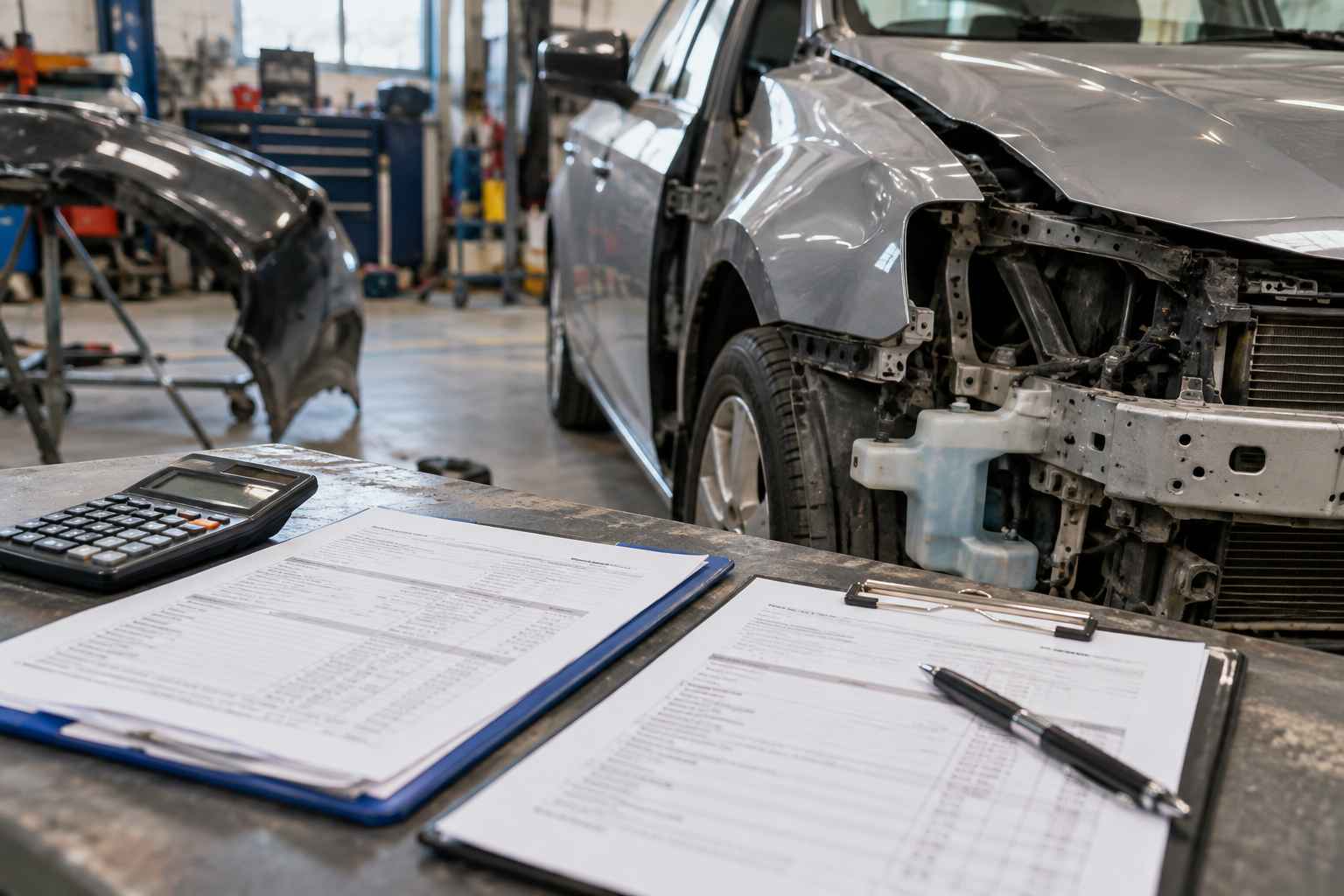
Two estimates for the same damaged vehicle can produce surprisingly different amounts.
An insurance adjuster may prepare an estimate based on photographs, visible damage and the insurer’s repair-cost information. A repair shop may identify additional damage after examining the vehicle more closely or removing damaged panels.
The difference can also involve labor rates, replacement parts and the repair methods needed to restore the vehicle.
For example, an insurer might calculate a repair using an aftermarket replacement part. The repair shop could recommend a manufacturer-branded part instead. The insurer may dispute the additional cost, depending on the policy and the circumstances.
Modern vehicles add another consideration. Cameras, sensors and driver-assistance systems sometimes require inspection or calibration after collision repairs.
Rising vehicle repair costs can also make disagreements over insurance estimates more financially significant for drivers.
A damaged bumper or windshield may involve work that is not immediately apparent from the outside.
Not every disagreement means the insurer has acted improperly. Repair estimates can change when technicians discover additional damage, and insurance contracts establish limits on what the company must pay.
Drivers nevertheless have a legitimate reason to question an estimate that leaves necessary covered repairs unpaid.
Totaled Vehicles Can Lead to Larger Disputes
Repair bills are not the only source of disagreements over insurance claim values.
When an insurer declares a vehicle a total loss, the settlement generally depends on the applicable valuation rules and policy terms. The amount offered may fall short of what the owner expected the vehicle to be worth.
Imagine a driver who owns a six-year-old pickup truck with relatively low mileage and several factory-installed features. The insurer declares it totaled and offers $19,000.
The owner then finds comparable vehicles advertised locally for $22,000 to $24,000. The advertisements do not automatically establish the correct claim value, but they give the driver a reason to examine how the insurer calculated its offer.
Vehicle condition, mileage, equipment, accident history and the local market can affect a valuation. Comparing a well-maintained truck with a heavily worn example of the same model may produce a misleading result.
A driver challenging a total-loss offer should obtain the valuation report and review the vehicles and adjustments used in the calculation.
Texas law also addresses appraisal of total losses, making these disagreements an important part of the new framework.
What Evidence Can Support a Higher Claim Value?
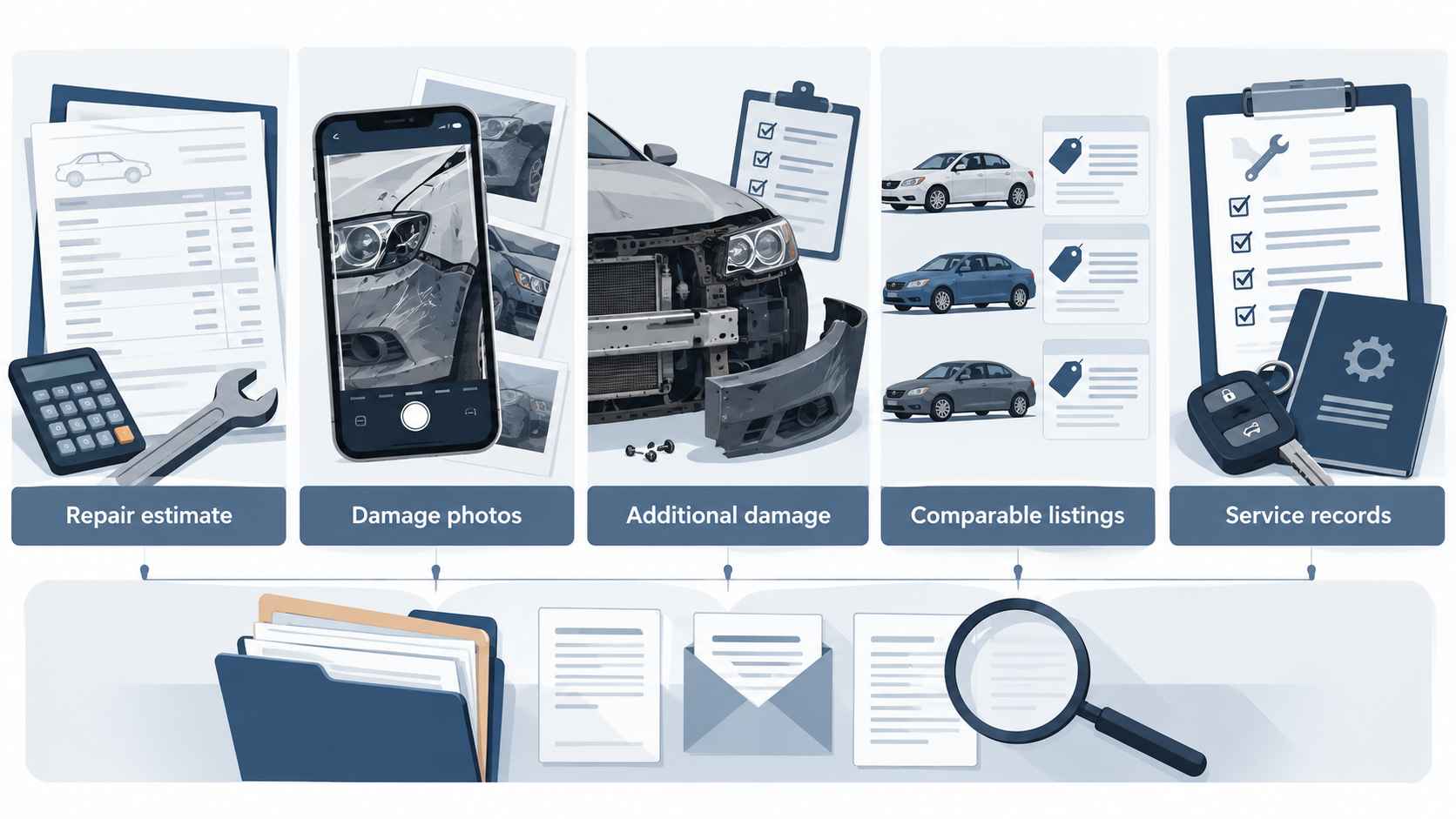
Simply telling an insurance company that its estimate is too low rarely settles a disagreement. Specific documentation gives the driver a clearer basis for asking the company to reconsider.
- Detailed repair estimates. An itemized estimate identifies the damaged components, necessary labor and proposed replacement parts.
- Photographs of vehicle damage. Images taken after the accident and during repairs help document visible and previously concealed damage.
- Supplemental repair findings. A repair shop may discover additional covered damage after disassembly and prepare a revised estimate.
- Comparable vehicle listings. For total-loss disputes, similar vehicles in the relevant market can help identify potential errors in the valuation.
- Maintenance and equipment records. Service history and documentation of installed features can help establish the actual condition and specifications of the vehicle.
Drivers should also request an explanation of any deductions or adjustments included in the insurer’s estimate.
A valuation report that lists the wrong trim level, mileage or equipment may produce an amount that does not accurately describe the vehicle being assessed.
Written communication creates a record of the disagreement. Keeping copies of estimates, emails and insurer responses can help if the dispute proceeds to appraisal or another review process.
Five Steps to Take When an Insurance Offer Seems Too Low
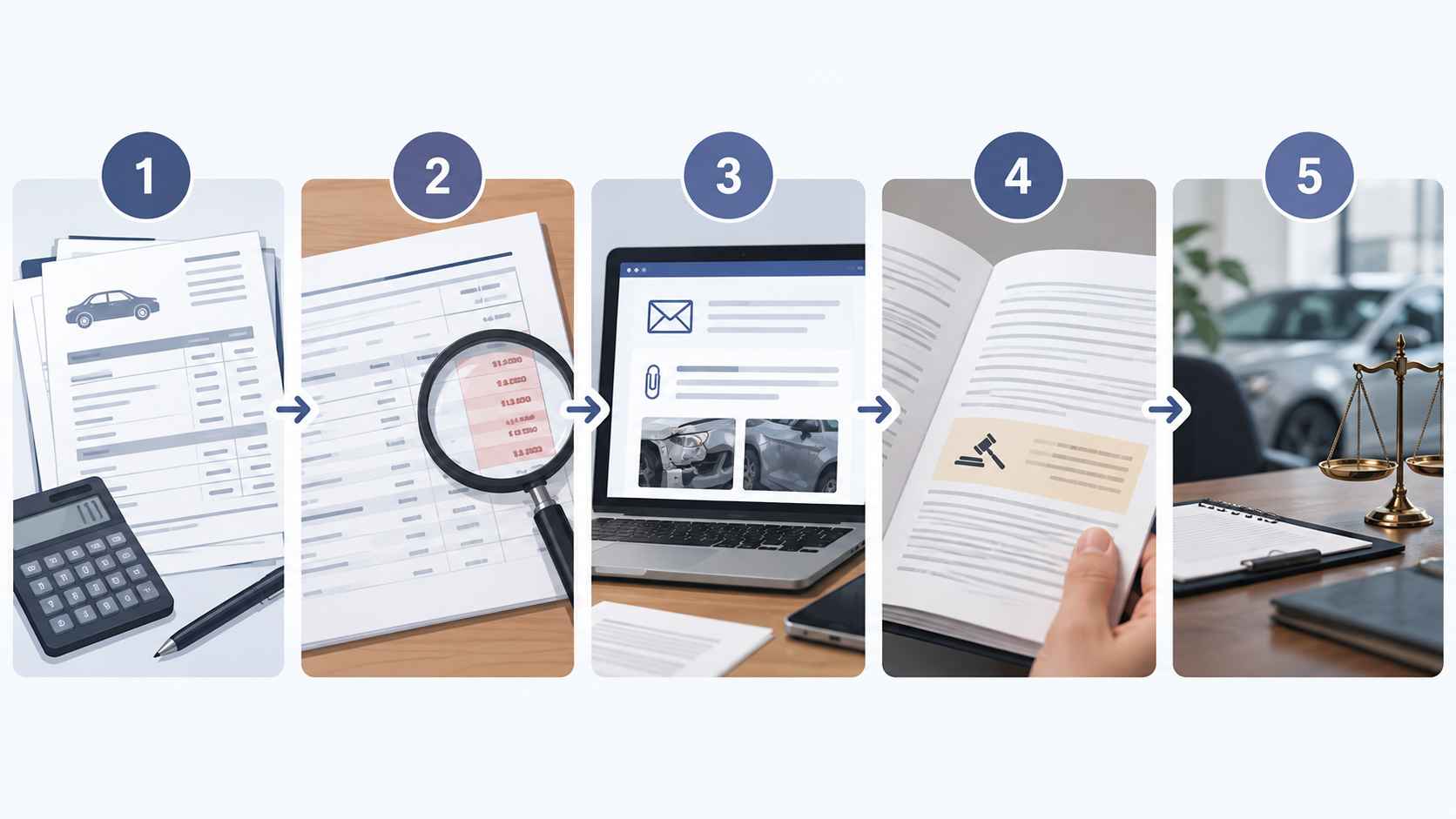
The first response to an unsatisfactory settlement offer does not have to be an appraisal demand. In some cases, an additional repair estimate or clarification from the adjuster is enough to identify the problem.
- Request the full estimate. Ask the insurer for the itemized calculation and any valuation report used to determine the proposed payment.
- Identify the disputed amount. Compare the insurer’s figures with repair estimates or vehicle valuation evidence and document the specific items in question.
- Ask for a review. Send the supporting evidence to the insurance company and request a written response explaining its position.
- Review the appraisal clause. Examine the insurance policy for the process, deadlines, costs and requirements governing an appraisal request.
- Consider additional assistance. An independent appraiser may help establish the value of the loss. A lawyer may be appropriate if the disagreement also involves injuries, coverage or legal responsibility.
The Texas Department of Insurance provides guidance on disputing an auto insurance claim, including the appraisal process and how to file a complaint against an insurer.
Drivers should not overlook deadlines in their policies. Waiting until negotiations have stalled for months may complicate their options, particularly if the insurer has already requested information or imposed a response deadline.
What the New Law Does Not Guarantee?
The right to request appraisal does not guarantee a higher payment.
An independent review could support the driver’s position, confirm the insurer’s estimate or arrive at another value. The evidence and circumstances of the loss determine the outcome.
Appraisal also does not eliminate deductibles, change policy coverage limits or automatically establish that an insurer acted unfairly.
Another important limitation concerns the insurance company involved. The new statutory appraisal protection addresses disputes between a policyholder and their own insurer under a covered policy. A driver making a claim directly against the insurance company of the person who caused an accident cannot assume the same process applies.
Disputes involving medical expenses, lost wages, pain and suffering or responsibility for a collision may require other forms of negotiation or legal action.
Coverage limits can create additional financial concerns, particularly when an accident involves uninsured or underinsured drivers.
The Texas Department of Insurance can review certain consumer complaints, but it does not independently determine who caused an accident or set the amount of damages in every disputed claim.

Texas Drivers Have More Say, but Documentation Still Counts
For a driver facing a repair estimate that falls thousands of dollars short, the ability to obtain an independent appraisal offers an important alternative to simply accepting the insurer’s number.
The financial consequences of an accident can extend well beyond vehicle repairs, making broader traffic accident trends across US states useful context for understanding road safety and its costs.
Senate Bill 458 establishes a clearer path for challenging the amount of covered losses under applicable Texas auto insurance policies. The process gives policyholders an opportunity to present their own valuation evidence and have the disagreement assessed independently.
Drivers still need to read their policies, document the damage and assess the cost of pursuing a dispute. Appraisal is one tool among several available to consumers, and it addresses a specific financial question.
For Texas motorists who receive a settlement offer that does not appear to cover the value of their loss, the insurer’s first estimate does not necessarily have to be the final figure.