


Addiction continues to affect tens of millions of people across the United States. About 48.4 million Americans ages 12 and older, or 16.8% of that population, had a substance use disorder in 2024, based on the latest national figures cited in 2026 data.
Numbers alone do not tell the full story. A substance can be widely used without having the highest overdose risk, while another can affect fewer people but cause far more fatal outcomes.
Addictiveness is also different from prevalence. Researchers may assess addiction potential through dependence, tolerance, withdrawal severity, relapse rates, and changes in brain reward systems.
So, which addictions affect the largest numbers of Americans in 2026, and how do their risks differ?
Alcohol Addiction Is Still the Most Common Substance Use Disorder

Alcohol use disorder affects more Americans than any other single-substance use disorder.
Around 27.9 million people ages 12 and older had alcohol use disorder in 2024. That equals approximately 9.7% of the population in that age group.
Heavy alcohol consumption reaches an even larger group. About 57.9 million people, or 20.1% of Americans ages 12 and older, reported binge drinking during the previous month.
Those figures matter because problematic alcohol use can develop gradually. Dependence may build over months or years as tolerance increases and drinking becomes more frequent.
Withdrawal also creates serious medical concerns. Severe cases can include seizures and delirium tremens, a potentially life-threatening condition involving confusion, agitation, and other neurological symptoms.
Alcohol therefore combines very high prevalence with potentially dangerous physical dependence.
Gambling Addiction Is Drawing More Attention

Gambling addiction differs from alcohol, nicotine, and drug addiction because it does not involve consuming a substance.
Compulsive gambling can still activate reward pathways and lead to repeated behavior despite financial, emotional, or social consequences.
Online sportsbooks, casino apps, and other digital gambling platforms have also made betting easier to access throughout the day.
Search behavior suggests that more people are actively looking for help. GamblingSites.com’s addiction analysis found that Google searches for “gambling hotline” increased 357% between 2020 and 2025.
Searches for “gambling help” rose 191%, while searches for “gambling addiction” increased 95% during the same period.
Those search increases do not measure diagnosed gambling disorder cases, but they can indicate growing public concern and greater demand for support.
Gambling addiction can involve chasing losses, hiding betting activity, borrowing money to gamble, and struggling to stop despite mounting consequences.
Unlike substance addictions, its damage may become visible first through debt, relationship problems, or work difficulties rather than physical intoxication.
Marijuana Addiction Affects More Than 20 Million Americans
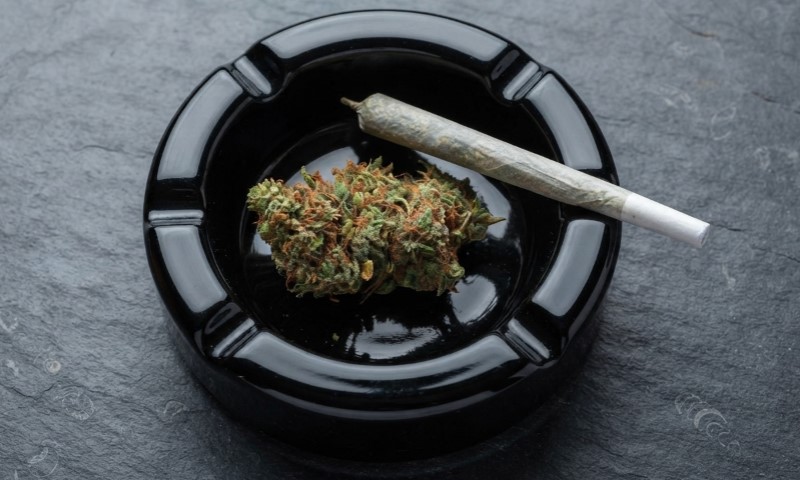
Marijuana use disorder has become the largest individual drug-use-disorder category in the country.
About 20.6 million Americans ages 12 and older had marijuana use disorder in 2024. That represents approximately 7.1% of people in that age group.
Older figures show how much the reported total has changed. Data for 2020 placed marijuana addiction at roughly 14.2 million people, several million below the more recent estimate.
Greater availability is one factor behind growing concern about cannabis dependence. Legalization has expanded access in many states, while modern cannabis products can contain substantially higher concentrations of THC than products commonly available decades ago.
Frequent use can lead to tolerance, cravings, difficulty reducing consumption, and continued use despite problems at work, school, or home.
Not every marijuana user develops a disorder. Still, current totals show that cannabis-related addiction now affects a sizable share of the U.S. population.
Nicotine Addiction Continues Across Cigarettes and Vaping Products
Nicotine addiction is no longer limited to traditional cigarettes. Cigars, smokeless tobacco, nicotine pouches, and vaping devices have expanded the ways people consume nicotine.
Around 23.6 million Americans ages 12 and older, or 8.5%, were estimated to have nicotine addiction in 2020.
Use was even more widespread. Roughly 57.3 million people reported using tobacco products or nicotine vaping devices during the previous 30 days in that dataset.
Nicotine acts quickly on brain reward pathways and can reinforce repeated use. Regular exposure may also produce tolerance, meaning users need more nicotine or more frequent doses to achieve similar effects.
Vaping has changed the format of nicotine consumption, but it has not removed dependence risk. High-concentration products can deliver substantial amounts of nicotine, sometimes with less obvious stopping points than a cigarette.
Changing products may therefore alter how nicotine is consumed without eliminating its ability to produce addiction.
Opioid Addiction Has an Outsized Overdose Risk

Opioid use disorder includes addiction involving prescription painkillers, heroin, and synthetic opioids such as fentanyl.
About 2.7 million Americans, or 1.1% of the population represented in 2020 data, had opioid use disorder.
Prevalence is much lower than figures reported for alcohol, marijuana, or nicotine. Fatality risk, however, is considerably more severe.
Synthetic opioids such as fentanyl were involved in 47,735 overdose deaths in 2024. That figure represented about 60% of all overdose deaths recorded that year.
Several characteristics make opioids particularly dangerous:
- Physical dependence can develop quickly with regular use.
- Fentanyl can be roughly 50 to 100 times more potent than morphine.
- Small dosing differences can sharply increase overdose risk.
- Illicit drugs may contain fentanyl without the user knowing it.
Repeated opioid exposure can produce tolerance, forcing users to take larger amounts to achieve prior effects.
Loss of tolerance after a period of abstinence can create another hazard because returning to a previous dose may cause overdose.
Opioid addiction therefore affects fewer people than several other substance disorders while accounting for a disproportionately large share of fatal overdoses.
Stimulant and Cocaine Addiction Can Encourage Repeated Dosing
View this post on Instagram
Stimulant addiction includes substances such as methamphetamine, prescription stimulants, cocaine, and crack cocaine.
Approximately 1.3 million Americans, or 0.5%, had cocaine addiction in 2020. Roughly 500,000 people had a stimulant use disorder involving other stimulant drugs.
Cocaine and methamphetamine are both associated with high addiction potential, although their effects can differ considerably.
Cocaine produces a relatively short-lived high. Rapid fading of its effects may encourage repeated doses during a single session.
Methamphetamine can produce effects lasting roughly 8 to 24 hours. Longer stimulation can contribute to extended periods of use, sleep deprivation, and multi-day binges.
Repeated stimulant use can also affect appetite, mood, sleep, cardiovascular health, and decision-making.
Treatment presents another difficulty. No FDA-approved medications are currently available specifically for cocaine or methamphetamine use disorder, leaving behavioral therapies and structured treatment programs as major components of care.
Benzodiazepine and Prescription Drug Addiction Can Develop Quickly
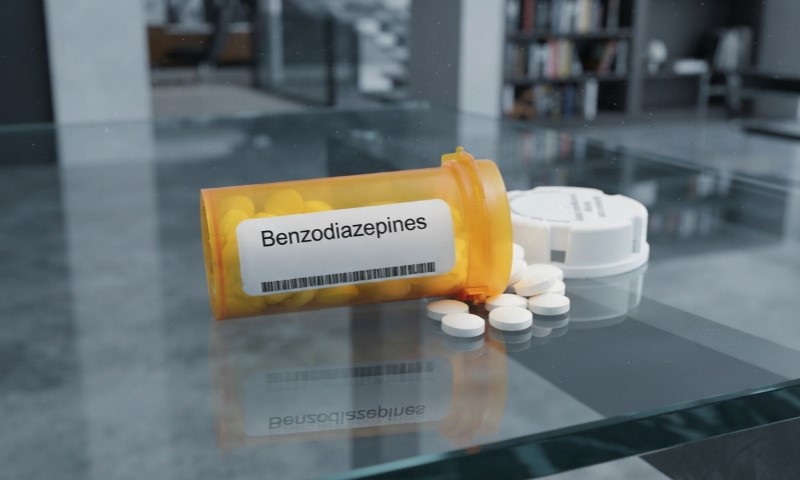
Prescription medications can produce dependence even when they originally entered a person’s routine for legitimate medical reasons.
Benzodiazepines include medications such as Xanax, Valium, and Klonopin. Doctors may prescribe them for anxiety, panic disorders, seizures, or other conditions.
About 5 million Americans misused prescribed benzodiazepines in 2020. Around 500,000 met criteria for a benzodiazepine use disorder.
Physical dependence can develop after only 2 to 4 weeks of regular use.
Risk becomes especially serious when someone suddenly stops taking benzodiazepines after developing dependence. Withdrawal may cause severe anxiety, insomnia, tremors, confusion, and seizures.
Medical supervision can therefore be important when reducing or discontinuing these medications after prolonged regular use.
Combining benzodiazepines with opioids, alcohol, or other depressants can create additional danger because several substances may slow breathing or impair consciousness at the same time.
Other Addictions Include Inhalants and Sedative Drugs
Several substance addictions receive less public attention but still affect large numbers of people.
Inhalant addiction affected approximately 2.4 million Americans, or 0.9%, according to 2020 estimates.
Inhalants can include gases, solvents, aerosols, and other household or industrial chemicals used for their psychoactive effects. Easy access can make them especially concerning among younger users.
Barbiturates and other sedative or sleeping medications also carry dependence risks. Regular misuse can produce tolerance, meaning progressively larger amounts may be needed to achieve similar effects.
Stopping certain sedative drugs abruptly can also lead to dangerous withdrawal symptoms.
Prevalence may be lower than alcohol or marijuana use disorders, but lower totals should not be mistaken for low medical risk.
Most Americans With a Substance Use Disorder Do Not Receive Treatment
Addiction statistics become even more concerning when treatment access is considered.
Among the 48.4 million Americans with a past-year substance use disorder in 2024, only about 12.3% received treatment. That equals approximately 5.9 million people.
A much larger group received no treatment:
- About 42.4 million people with a substance use disorder did not receive treatment.
- Approximately 87.7% of people affected went untreated.
- Only a little more than 1 in 10 received professional help.
Several barriers can contribute to that gap, including cost, limited local services, stigma, lack of insurance coverage, uncertainty about where to seek help, and reluctance to enter treatment.
Untreated addiction can affect physical health, relationships, employment, finances, and mental well-being. It can also increase the chance that substance use progresses into more severe dependence.
Treatment availability therefore matters almost as much as measuring how many people meet criteria for a disorder.
FAQs
Addiction in the U.S. in 2026 Is Common, but Risk Varies by Substance
Alcohol continues to account for the largest single-substance use disorder total, affecting about 27.9 million Americans.
Marijuana use disorder follows at approximately 20.6 million people, while nicotine dependence also affects tens of millions.
Opioids, cocaine, methamphetamine, benzodiazepines, inhalants, and other drugs involve smaller populations but can carry severe medical consequences.
Prevalence and danger should not be treated as the same measurement. Alcohol and marijuana affect particularly large numbers of people, while opioids account for a much greater share of fatal overdoses relative to their prevalence.
Current data also point to a major treatment problem. Nearly 9 in 10 Americans with a substance use disorder did not receive treatment in 2024.
Addiction in 2026 is therefore not one problem with one pattern.
Different substances produce different levels of dependence, withdrawal danger, overdose risk, and population impact, making both prevalence and medical severity important when assessing the scale of substance use disorders in the United States.