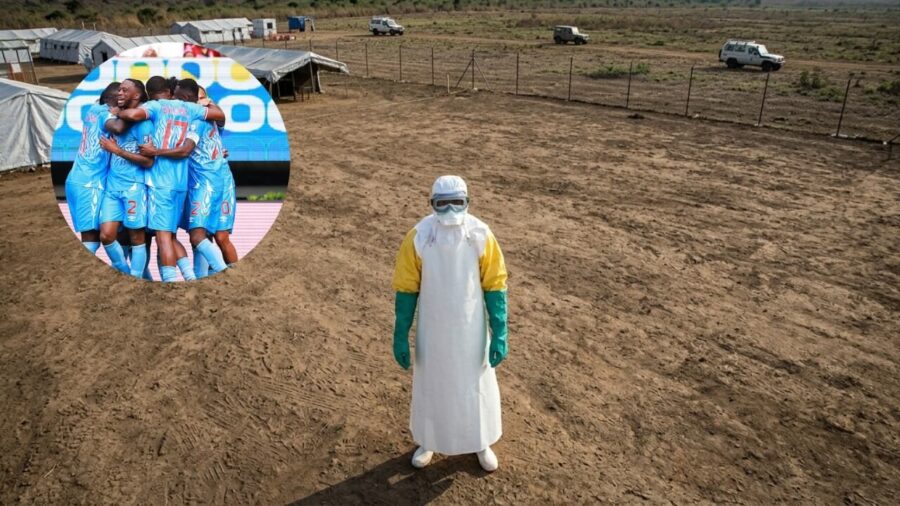

The United States has confirmed it will allow the Democratic Republic of the Congo’s (DRC) national football team to enter the country for the 2026 FIFA World Cup, despite a strict Ebola‑related entry ban that otherwise bars non‑Americans who have recently visited the DRC, Uganda or South Sudan. The decision comes as U.S. health officials also monitor a separate hantavirus outbreak, though that has not affected travel restrictions.
A senior State Department official, speaking on condition of anonymity, told Al Jazeera that the exemption is being made specifically for the team.
“We expect the DRC team to be able to attend the World Cup,” the official said.
If any player or staff member has been in the DRC during the 21‑day window, they would be subject to the same strict screening and isolation protocols that apply to returning U.S. citizens and permanent residents. “We’re working to get them into the same protocol for testing in isolation that American citizens returning and permanent residents would be,” the official added.
The DRC is the only one of the three affected nations to have qualified for football’s premier event. Its World Cup campaign kicks off on June 17 in Texas against Portugal.
Crucially, the waiver does not extend to fans. Everyday supporters from the DRC who wish to travel to the United States to cheer on their team will still be subject to the full entry ban.
Table of Contents
ToggleA Balancing Act
The decision underscores the delicate balancing act the Biden administration faces between safeguarding public health and fulfilling international sporting commitments. While the U.S. has taken a hard line on Ebola‑related travel, the global stature of the World Cup and the specific circumstances of the DRC team appear to have prompted a targeted exception.
The move also highlights the growing logistical complexities of hosting a global event during a public health crisis. As the World Cup draws nearer, more such waivers may be required for athletes, officials and support staff from affected regions.
For the DRC squad, the waiver is a welcome relief, removing one potential hurdle as they prepare for their opening match against Portugal. The team, which has been training in Europe, will now be able to focus entirely on the tournament without the added worry of being denied entry.
Looking Ahead
With the World Cup set to kick off in less than a month, the U.S. is also likely to face calls to clarify the protocols for other potentially affected individuals, such as journalists, team doctors and equipment managers. The State Department official did not elaborate on whether any such exemptions would be considered, but the precedent set for the DRC team suggests that case‑by‑case waivers are possible. Furthermore, Iran will play in the World Cup, but their national team will play games in Mexico.
As the tournament approaches, the world will be watching not only the action on the pitch but also how host nations manage the intersection of public health and international sport. For now, the DRC’s World Cup dream remains on track, thanks to a carefully crafted exemption that prioritizes both safety and the spirit of the game.
Related Posts:
- What Is the Most Dangerous Country in the World in 2025
- The 100 Most Dangerous Cities in America (2026):…
- Safest Countries in the World in 2025 - GPI…
- Are Stadiums Getting Safer for LGBTQ+ Fans or Just Louder?
- Best Places to Retire Abroad in 2026: An Honest…
- Safest Cities in California in 2026: An Honest,…