
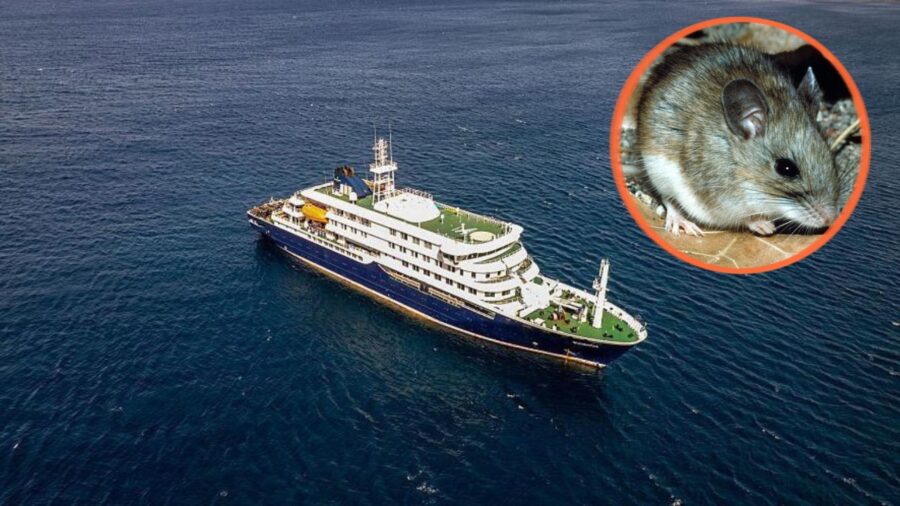

A suspected hantavirus outbreak aboard the MV Hondius, a Dutch-operated polar expedition cruise ship, has left three people dead and at least three others ill, turning a remote Atlantic voyage into a multi-country public health emergency, according to Associated Press.
Health authorities have confirmed one laboratory-positive hantavirus case, while the remaining deaths and illnesses are still under investigation.
The ship, operated by Oceanwide Expeditions, was off the coast of Cape Verde after a route that began in Argentina and included stops linked to Antarctica, the Falkland Islands, Saint Helena, and Ascension Island. Around 150 tourists were aboard, with the vessel normally carrying about 70 crew members.
Table of Contents
ToggleVictims, patients, and unanswered questions
South Africa’s health department said the first known victim was a 70-year-old Dutch man who died after falling ill on the ship. His wife, aged 69, later collapsed while trying to travel home and died at a hospital in South Africa. A third person also died, with Oceanwide saying that person’s body remained aboard the vessel.
A 69-year-old British passenger was transferred to a private hospital in Johannesburg and tested positive for hantavirus, according to South African officials cited by The Guardian.
Two symptomatic crew members remained on board and required urgent care, while Cape Verdean authorities had not immediately authorized medical disembarkation.
The central uncertainty is whether all six cases are tied to the same infection chain. Reuters reported that lab tests had confirmed hantavirus in one of the six people, while WHO said further testing, epidemiological investigation, and virus sequencing were underway.
Why hantavirus alarms health officials
Hantaviruses are a family of viruses mainly spread through exposure to infected rodents, especially their urine, droppings, and saliva.
The CDC says they can cause two severe illnesses: hantavirus pulmonary syndrome, which attacks the lungs, and hemorrhagic fever with renal syndrome, which affects the kidneys.
Early symptoms can resemble flu: fever, fatigue, muscle aches, headache, dizziness, chills, nausea, vomiting, diarrhea, and abdominal pain.
In pulmonary cases, the illness can worsen quickly, leading to coughing, shortness of breath, chest tightness, and fluid in the lungs. CDC data show that 38% of people who develop respiratory symptoms may die.
There is no specific cure for hantavirus infection. Treatment is supportive, meaning doctors manage breathing failure, hydration, kidney injury, and shock. Severe patients may require ventilation or dialysis.
Transmission risk remains under review
Most hantaviruses do not spread easily between people. The CDC describes the viruses as mainly rodent-borne, while the ECDC says European hantaviruses do not spread person to person. WHO, however, has noted that rare human-to-human spread can occur with some hantaviruses, which makes sequencing especially important in the Hondius investigation.
For now, the working question is not only who is infected, but where exposure happened: on the ship, during a shore stop, through stored supplies, or before boarding.
Until investigators identify the virus strain and source, the safest conclusion is also the most precise one: the Hondius cluster is a suspected hantavirus outbreak with one confirmed case, three deaths, and a still-evolving public health investigation.