
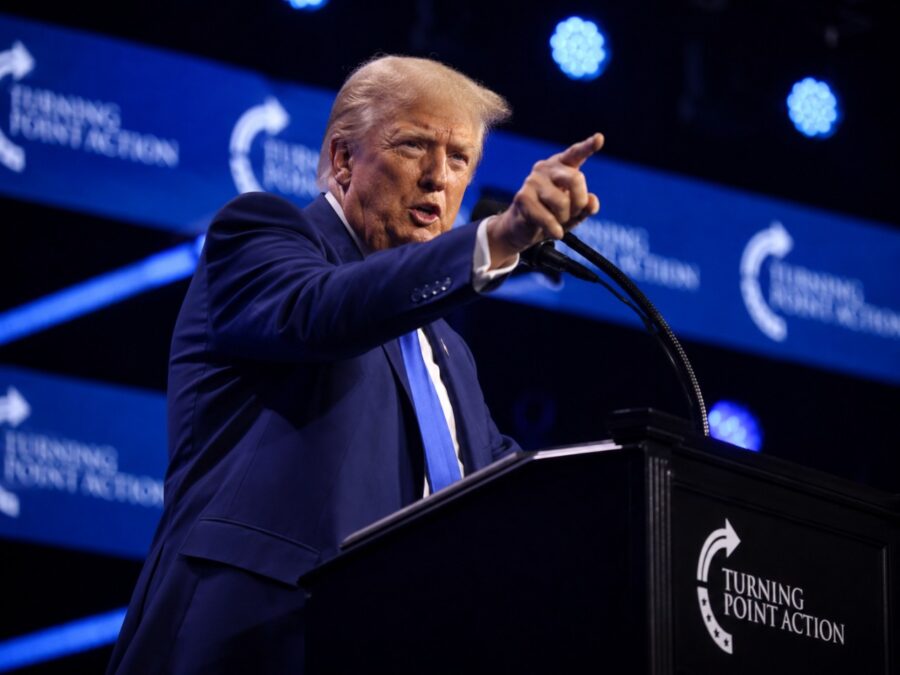

Foreign-born spouses of U.S. citizens are facing new uncertainty under Trump administration marriage immigration changes, as LAist and NPR reported that tighter enforcement and vetting policies are affecting a group long viewed as comparatively protected in the U.S. immigration system.
The central issue is not that marriage-based immigration has been eliminated. It has not. The shift is that spouses seeking green cards, citizenship or adjustment of status now face tighter interviews, broader discretion by U.S. Citizenship and Immigration Services and a higher risk that a pending family petition will not shield them from enforcement.
The change matters because marriage to a U.S. citizen is one of the largest family-based routes to permanent residence. NPR, in reporting republished by LAist on July 6, 2026, cited Homeland Security data showing that about 343,000 people received green cards through spouses in 2024, roughly one-quarter of all green-card approvals that year.
Table of Contents
ToggleKey Facts
USCIS and the Trump administration argue the tighter approach is a return to stricter legal compliance. USCIS spokesman Zach Kahler told NPR that a pending or approved Form I-130, Petition for Alien Relative, does not itself grant immigration status and that people who entered without inspection or overstayed may be subject to enforcement. The agency’s own Form I-130 guidance similarly states that filing or approval of the petition does not give the relative immigration status or an immigration benefit.
Immigration attorneys and family advocates say the practical effect is more destabilizing than that technical point suggests. Some noncitizen spouses have been separated from U.S. citizen family members or have become reluctant to continue cases because they fear detention, removal or extended delays.
American Families United executive director Ashley DeAzevedo said the group’s membership had grown over the past year and included about 1.4 million people seeking support in the United States and about 300,000 outside the country.
Latest Verified Update
The most recent confirmed development is the administration’s broader legal-immigration vetting push. On May 21, 2026, USCIS issued Policy Memorandum PM-602-0199, describing adjustment of status as discretionary, administrative relief and an “extraordinary” alternative to ordinary consular processing. The agency followed with a May 22 release saying adjustment would be granted only in extraordinary circumstances.
Reuters reported on July 6, 2026, that the enhanced-vetting framework has led to visa-processing delays, inconsistent outcomes and uncertainty for employers and foreign nationals.
The same report said USCIS has indicated that updated immigration forms will seek broader personal information, including up to 10 years of social media handles and more family details.
Background and Context
The policy shift traces back to Executive Order 14161, signed by President Donald Trump on January 20, 2025. The order directed federal agencies to vet and screen noncitizens “to the maximum degree possible” when they seek admission, are already inside the United States or apply for immigration benefits.
It also called for agencies to identify countries whose screening and information-sharing systems were considered deficient, according to the White House order.
That approach later fed into travel and visa restrictions. A June 2025 Federal Register notice for Proclamation 10949 listed 12 countries subject to full entry suspension and additional countries subject to partial restrictions, citing national security, public safety, and overstay concerns. LAist’s NPR report said spouses from affected countries can face holds or delays even when married to U.S. citizens.
The scale is significant. Using Department of Homeland Security data, Pew Research Center found that the United States granted about 1.36 million green cards in fiscal year 2024, with 58% going to people already living in the country through adjustment of status. Among immediate relatives of U.S. citizens, including spouses, parents and unmarried children under 21, 60% received green cards from inside the United States.
What Happens Next
The immediate next step is case-by-case implementation. USCIS officers now have clearer direction to weigh discretion, immigration history, prior status violations, interview evidence and whether a person could have pursued consular processing abroad.
That does not mean every marriage-based case will be denied, and the underlying statute has not been replaced by Congress. But immigration-law analysts are treating the new guidance as a material risk factor, especially for spouses with overstays, entries without inspection, terminated temporary status or affected-country ties.
The unresolved question is how aggressively USCIS will apply the memo in routine marriage cases and whether courts will limit the policy. As of July 7, 2026, the publicly verified record shows policy guidance, agency statements, attorney warnings and affected-family accounts, but no single nationwide court ruling blocking the May 2026 adjustment-of-status memo. For mixed-status families, that leaves the process legally available but more uncertain than it was before the Trump administration’s latest immigration changes.