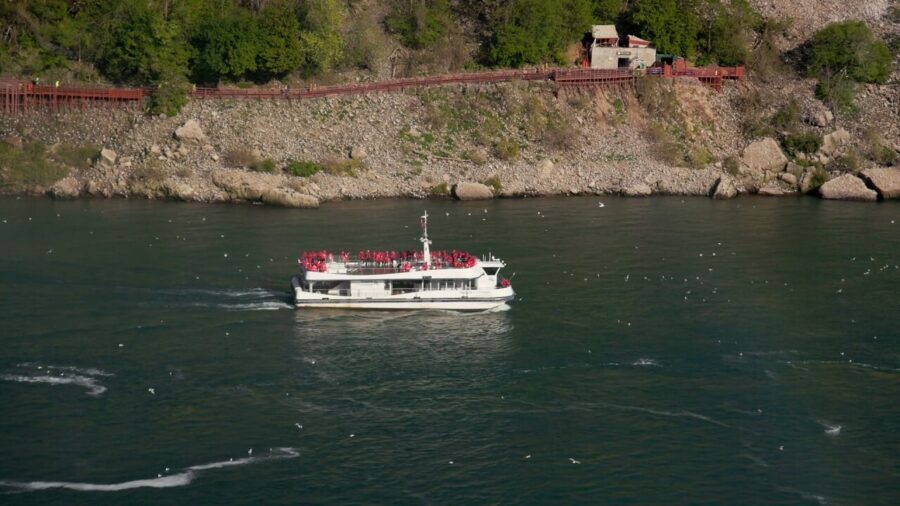

A charter boat that leaves the dock with too many people aboard creates a serious safety problem and a complicated liability question.
In the United States, responsibility can fall on the captain, vessel owner, charter operator, or a bareboat charterer, depending on who controlled the vessel and what caused the capsize. Several parties may share fault.
Passenger limits matter because they are tied to inspection status, stability, licensing, and the vessel’s permitted operation.
The Coast Guard warned again in August 2026 that illegal charters may involve excessive passenger counts, missing credentials, absent inspection certificates, or inadequate safety equipment, according to its charter safety warning.
Rules vary by jurisdiction and vessel type, so the discussion below focuses on U.S. maritime law.
Why Overcrowding Changes the Legal Picture
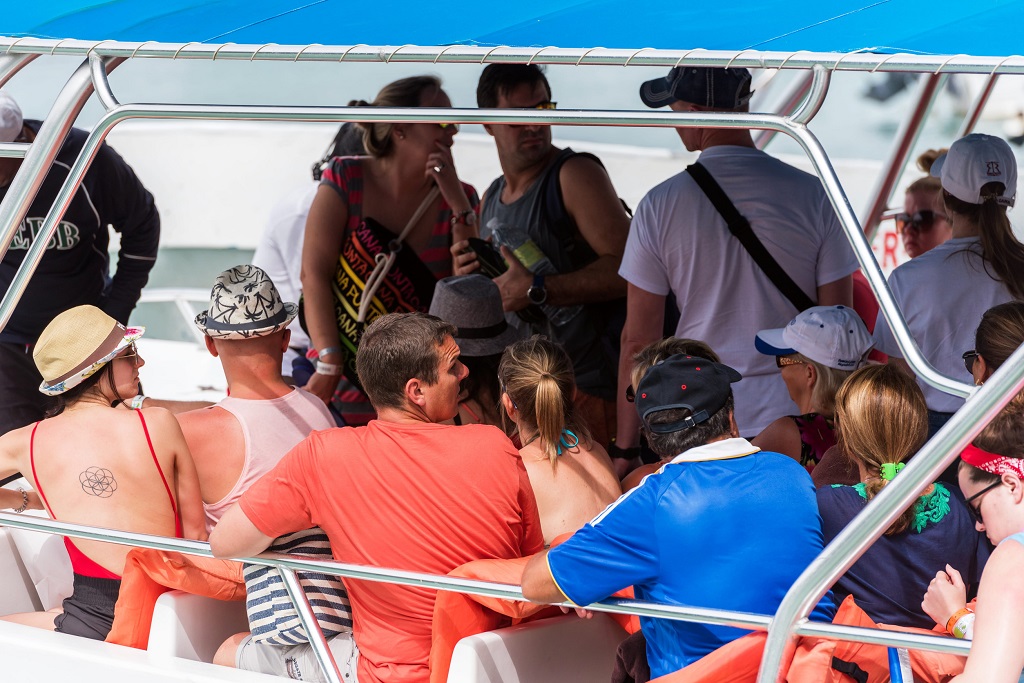
A boat can look comfortable at the dock and become unstable once weight, movement, wind, waves, and turns begin working together.
Total weight and weight distribution matter alongside head count. Passenger movement, fuel load, vessel modifications, and weather can all affect stability. A sudden rush to one side can sharply change how a small vessel behaves.
When unsafe loading leads to injuries, determining who made or approved those decisions can become central to a personal injury claim. Firms such as Shulman & Hill handle cases involving negligence and questions of legal responsibility.
Federal classifications make passenger numbers legally important too. Under Title 46, a vessel under 100 gross tons generally becomes a “small passenger vessel” when it carries more than six passengers, including at least one passenger for hire, in common crewed-charter situations.
The federal vessel definitions help determine which regulatory category applies. Small passenger vessels are subject to federal inspection.
The Coast Guard advises passengers on charter boats carrying more than six people to ask for a Certificate of Inspection, which identifies the vessel’s authorized operation and passenger limits.
Who Can Be Held Responsible?
Liability usually follows control, duty, and causation. Investigators ask who made the decisions that created an unsafe condition and whether those decisions contributed to the capsize.
| Party | Why responsibility may arise |
| Captain or master | Unsafe passenger load, poor loading, bad navigation, or ignored weather |
| Vessel owner | Unsafe practices, maintenance failures, unqualified crew, or excess passenger loads |
| Charter company | Selling or organizing an unlawful trip or encouraging overcrowding |
| Bareboat charterer | Assuming possession and operational control of the vessel |
| Repairer or manufacturer | A defect or modification materially contributing to instability or flooding |
The Captain or Master
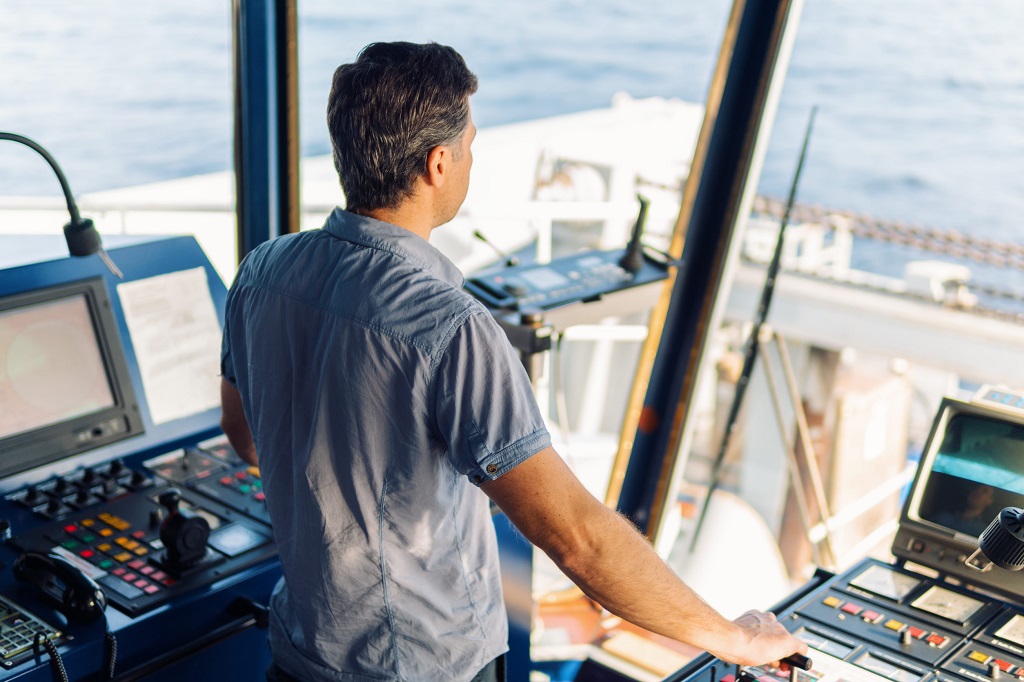
The captain is often the first person investigators examine because the master controls day-to-day operation aboard the vessel.
A captain who knowingly departs with too many passengers may face a strong negligence claim when overcrowding contributes to the casualty. Poor weight distribution, unsafe turns, ignored weather, or delayed emergency action can add to that exposure.
General maritime law imposes a duty of reasonable care toward people lawfully aboard a vessel. The U.S. Supreme Court stated that principle in the 1959 Kermarec decision.
Federal law also makes the owner and master liable for certain passenger injuries caused by failures to comply with federal vessel-safety requirements or by known defects in the hull or propulsion machinery.
The Owner or Charter Operator
Company decisions can be just as important as decisions made at the helm.
Imagine a booking company selling a 12-person outing on a vessel legally configured for six passengers for hire. The business chooses the boat, collects payment, schedules the trip, and sends it out overloaded. Evidence may point toward responsibility throughout the operation.
Owners may also face claims involving maintenance, required inspections, crew qualifications, safety equipment, or policies that push captains beyond safe limits.
In May 2026, the Coast Guard stopped a 42-foot vessel near Bradenton Beach, Florida, after determining that an operation presented as a bareboat charter was functioning as an illegal small passenger vessel.
A Bareboat Charterer Can Occupy a Different Role
A genuine bareboat charter transfers possession and operational control to the charterer for the charter period. Coast Guard bareboat charter guidance describes the charterer as responsible for the crew and passengers under such an arrangement.
Control in practice matters. Coast Guard guidance explains that the charterer must retain meaningful freedom to choose the crew or captain.
What Evidence Matters After a Capsize?
A passenger count may be obvious. Causation is usually harder.
Investigators may examine the passenger manifest, booking records, Certificate of Inspection, captain’s credentials, weather, loading arrangement, vessel modifications, witness accounts, phone video, GPS data, and communications before departure.
The 2005 Ethan Allen disaster on Lake George shows why stability evidence can become decisive. The tour boat capsized with 48 people aboard.
Postaccident calculations indicated that it should have been permitted to carry only 14 people. The NTSB investigation found that insufficient stability, combined with waves, a sharp turn, and passenger movement, caused the capsize.
A head count therefore becomes one part of a larger physical chain of events.
Can a Vessel Owner Limit Liability?
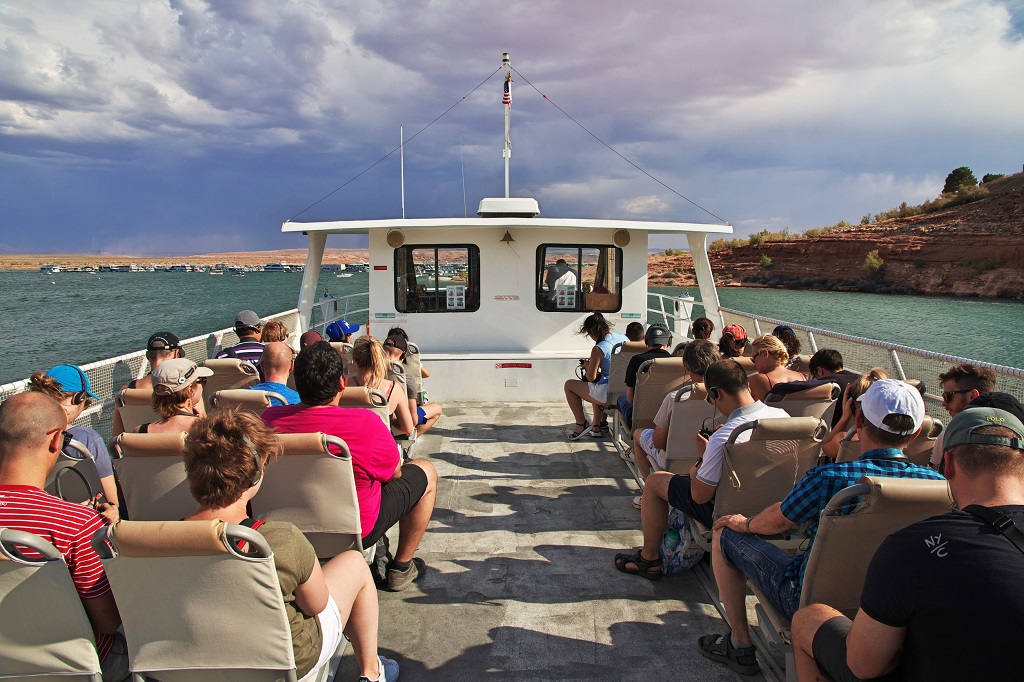
Maritime law has historically allowed vessel owners in certain cases to seek a liability cap tied to the post-casualty value of the vessel and pending freight when the harmful conduct occurred without the owner’s privity or knowledge. The modern federal liability limitation rule appears in 46 U.S.C. § 30523.
Congress changed the landscape in 2022. Current federal law excludes “covered small passenger vessels” from most of Chapter 305’s limitation protections.
The category generally includes qualifying small passenger vessels carrying up to 49 passengers on overnight domestic voyages or up to 150 passengers on other voyages, according to the current statutory definition.
Many charter casualties therefore fall under a broader liability framework than older maritime cases suggest.
Does Overcrowding Decide the Case by Itself?
Liability requires a causal connection between wrongful conduct and the injury.
An excessive passenger load can become powerful evidence when it violated a certificate, federal rule, or accepted safety practice and contributed to instability, flooding, inadequate lifesaving capacity, or a difficult evacuation.
Mechanical failure, sudden weather, hull damage, an improper modification, or another party’s conduct can contribute to the same casualty. Maritime cases may allocate responsibility among several actors.
Passenger conduct can affect damages when a passenger’s own unreasonable actions contributed to an injury.
Ordinary passengers generally rely on the operator to know lawful capacity and safe loading limits, so purchasing a ticket alone does not make them responsible for the operator’s passenger-count decisions.
What Should Passengers Do After a Capsize?
Medical care comes first. Evidence can disappear quickly afterward.
Keep booking confirmations, waivers, receipts, photos, videos, messages with the charter company, witness names, and identifying information about the captain or vessel. Coast Guard and local law-enforcement reports may also matter.
Federal maritime law generally provides three years for maritime claims involving personal injury or death arising from maritime torts, while contracts and special statutes can change specific deadlines.
Covered small passenger vessels receive federal protection against contractual claim periods shorter than two years.
Responsibility Usually Follows the Decisions Behind the Trip
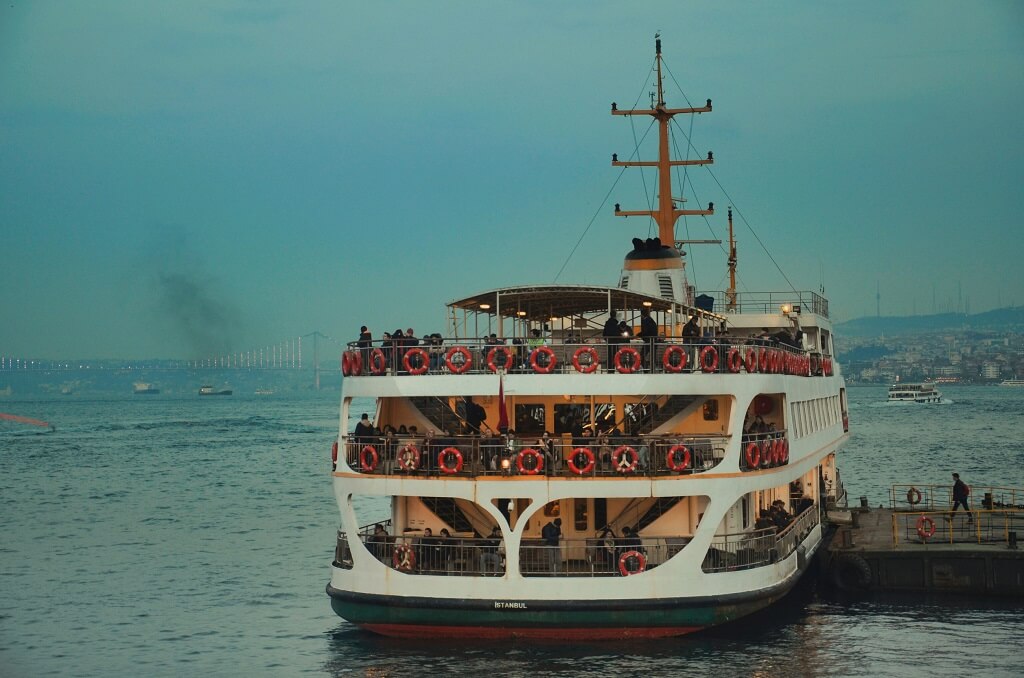
An overcrowded charter boat capsize rarely produces a one-name answer. The captain may be responsible for taking an unsafe load onto the water.
The owner or charter business may share fault for selling the trip, providing an unsuitable vessel, or ignoring inspection rules. A genuine bareboat charter can shift substantial operational responsibility to the charterer.
The central questions remain practical: Who controlled the boat? Who decided how many people could board? What limits applied? What made the vessel capsize?
Once investigators can answer those questions, legal responsibility becomes much easier to trace.