
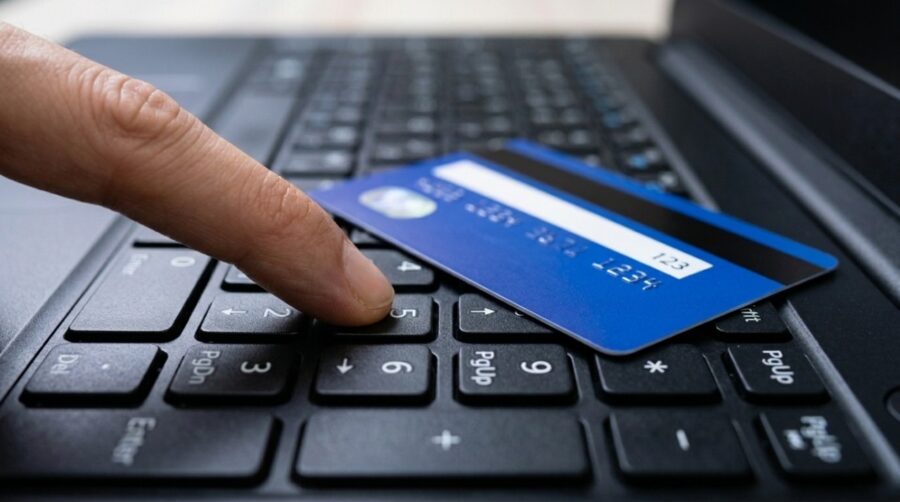

Online safety in 2026 is mainly about risks people recognize after trust, money, privacy, or account access has already been lost. The biggest late-noticed threats are AI impersonation, social media scams, weak account protection, delayed software updates, exposed personal data, and private-message abuse targeting teenagers.
They often begin in normal places: a WhatsApp message, a Facebook ad, a fake bank alert, a gaming chat, a voice note from a “relative,” or a login page that looks real.
FBI data for 2025 shows cyber-enabled crime losses reached nearly $21 billion in reported U.S. losses, with cryptocurrency and AI scams among the costliest categories, according to the FBI’s 2025 report.
Why Online Safety Feels Harder In 2026
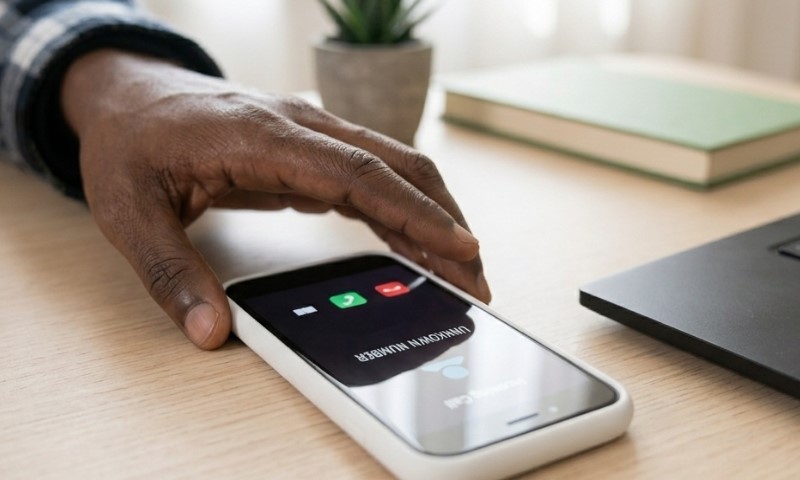
Online safety feels harder in 2026 because scams now copy normal digital behavior. Fraud no longer always looks like broken English, strange formatting, or a suspicious file attachment.
A scammer can clone a voice, copy a profile photo, use a fake customer-support page, build a fake investment group, or send a clean message written with AI.
For people who manage several online accounts, test websites, or care about how their IP address appears online, privacy-focused tools such as Geonix can also help them understand the role of proxies, browser checks, and connection visibility in everyday internet use.
The FBI’s Internet Crime Complaint Center added artificial intelligence as a separate section in its 2025 annual report. The agency recorded 22,364 AI-related complaints tied to $893 million in losses, a sign that synthetic content has moved from novelty into everyday fraud.
The FBI also warned that criminals use AI-generated audio and text messages in smishing and vishing campaigns to impersonate trusted people or officials, as shown in its AI voice alert.
| Risk people miss | Early warning sign | Late damage | Safer move |
| AI impersonation | Urgent voice or text request | Money transfer or stolen login | Call a known number |
| Social media fraud | Private group or guaranteed return | Crypto, wire, or card loss | Avoid stranger-led deals |
| Account takeover | Reused password | Email, banking, or social lockout | Use MFA and unique passwords |
| Unpatched devices | Ignored updates | Malware or ransomware | Turn on automatic updates |
| Teen coercion | Private chat and threats | Blackmail or emotional crisis | Save evidence and report fast |
AI Impersonation Is Now A Real Household Risk
AI impersonation is dangerous because people often trust a familiar voice before checking the source. A short voice clip, public video, podcast appearance, or social media post can give criminals enough material to create a convincing fake.
The scam usually adds pressure: a supposed accident, frozen bank account, travel emergency, or private business request.
The safest rule is simple: no emergency payment should move through gift cards, cryptocurrency, wire transfer, payment app, or bank transfer until the person is verified through a separate channel. Families can agree on a private phrase for urgent calls. Businesses should confirm unusual payment changes by calling a known contact, not the number inside the message.
Social Media Scams Start Where People Already Spend Time
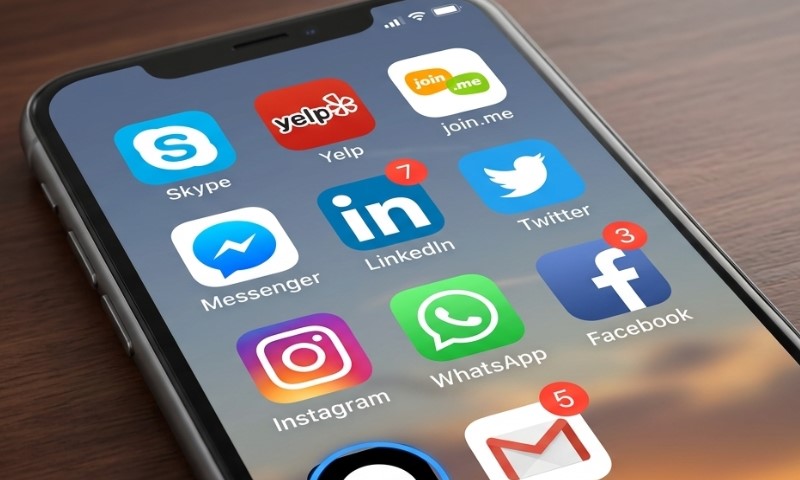
Social media scams are easy to miss because they appear inside familiar feeds, comments, stories, and direct messages.
The FTC reported that in 2025, nearly 30% of people who lost money to a scam said it began on social media. Reported losses reached $2.1 billion, according to new FTC data.
Investment scams were especially costly. Fraudsters use fake trading groups, copied screenshots, paid ads, and “mentor” accounts to make profits look routine. The FTC said social media investment scams caused $1.1 billion in reported losses in 2025. Facebook accounted for more reported scam losses than any other social platform, followed by WhatsApp and Instagram.
How Social Media Fraud Usually Builds Trust
Social media fraud usually builds trust slowly before asking for money. A stranger may comment on posts for weeks, invite a person into a private group, show fake earnings, then push a small first payment. Once the victim sees a fake dashboard or receives a small “withdrawal,” the scammer asks for more.
- A real friend’s hacked account promotes a fake deal.
- A dating conversation turns into crypto advice.
- A discount ad leads to a fake shopping site.
- A job post asks for fees, bank details, or identity documents.
Weak Account Protection Still Opens The Door
Account takeover often starts with one reused password. If an old password appears in a breach, criminals test it across email, banking, streaming, shopping, cloud storage, and social media. Email is the highest-value target because it can reset passwords for many other services.
The Cybersecurity and Infrastructure Security Agency recommends strong passwords, multifactor authentication, software updates, and phishing reporting as core personal safety steps through its Secure Our World guidance.
For most people, the best first move is to protect the primary email account, then bank accounts, mobile carrier accounts, cloud backups, and social media profiles.
Software Updates Are A Safety Issue
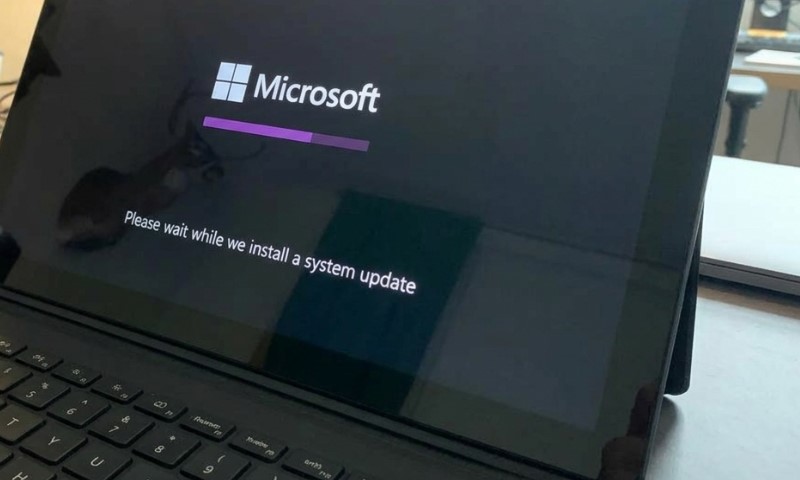
Delayed software updates matter because attackers move quickly after security flaws become public. Verizon’s 2026 Data Breach Investigations Report says ransomware appeared in 48% of breaches, while software vulnerability exploitation has become a major entry point.
Verizon also notes that generative AI is helping attackers move faster across several stages of an attack, according to the 2026 DBIR.
For households, the exposed devices are often ordinary: phones, laptops, browsers, routers, smart cameras, baby monitors, gaming systems, and old tablets.
A router that no longer receives security fixes can become a weak point for the entire home network. Automatic updates are not perfect, but they remove many known risks before a person has to think about them.
Data Leaks Make Scams More Personal
Data leaks matter because criminals can combine exposed details into believable stories. A message that includes an old address, employer, phone number, partial Social Security number, or past purchase can feel legitimate even when the sender is fake.
The Identity Theft Resource Center recorded 3,322 U.S. data compromise events in 2025, a record high and a 5% increase from 2024.
The group also reported that victim notices fell sharply from 1.36 billion in 2024 to 278.8 million in 2025, suggesting a shift toward more targeted attacks on high-value data repositories, based on the ITRC breach report.
A breach notice should trigger action, not panic. Change the affected password, freeze credit when financial identifiers or Social Security numbers are involved, and watch for follow-up calls pretending to “help” with the breach. Scammers often strike after a publicized leak because victims are already anxious.
Teen Online Safety Risks Often Hide In Private Messages
The biggest teen online safety risks often happen away from public view. Private messages, disappearing chats, gaming platforms, and image-sharing apps can move a child from casual contact to coercion quickly.
The National Center for Missing & Exploited Children said it received 1.4 million reports of online enticement in 2025, a 156% increase from 2024, according to NCMEC’s 2025 data.
Parents and caregivers should avoid leading with punishment. A child being threatened needs a safe route to ask for help.
The basic response is clear: do not pay, do not send more images, save screenshots, block after evidence is saved, report to the platform, and contact the proper authorities when a child is involved.
What Should People Fix First?
The best online safety plan starts with accounts and habits that would cause the most damage if they failed. A person does not need to become a cybersecurity expert. They need stronger defaults around money, identity, family communication, and device security.
- Protect the main email account with multifactor authentication or a passkey.
- Use unique passwords stored in a trusted password manager.
- Turn on automatic updates for phones, computers, browsers, and routers.
- Check social media privacy settings and limit public personal details.
- Verify urgent payment requests through a second channel.
- Freeze credit after serious identity exposure.
- Teach teenagers to report blackmail without fear of punishment.
Summary
Online safety in 2026 depends on recognizing pressure before it becomes damage. AI voices, fake social profiles, leaked data, unpatched devices, and private-message coercion all work because they look normal at first.
A slower response is usually a safer response: verify people outside the message thread, protect email first, update devices, limit exposed personal data, and treat urgency or secrecy as a warning sign.