
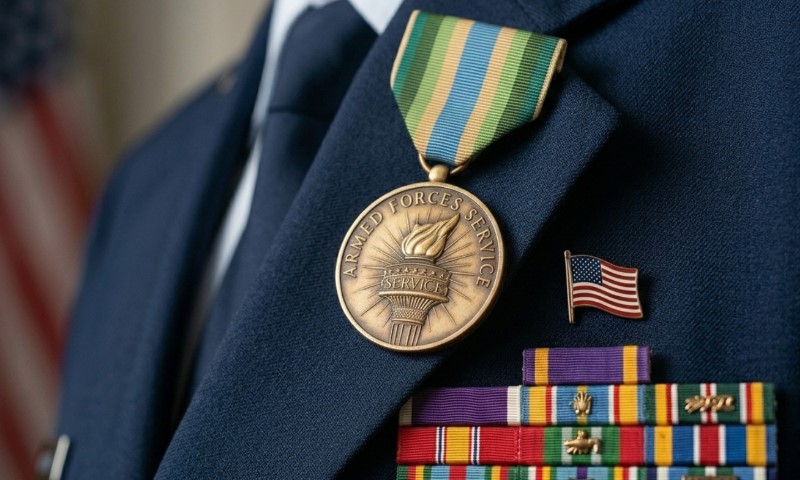

A protected veteran is a U.S. military veteran who fits at least one category covered by the Vietnam Era Veterans’ Readjustment Assistance Act, or VEVRAA.
These categories include disabled veteran, recently separated veteran, active duty wartime or campaign badge veteran, and Armed Forces service medal veteran.
The label matters because covered federal contractors and subcontractors cannot discriminate against qualified protected veterans and must take affirmative action to recruit, hire, promote, and retain them.
The federal definition makes the term specific, legal, and tied to employment rights. It does not mean every veteran receives automatic hiring preference.
Protected Veteran Meaning
A protected veteran is a veteran with legal coverage tied to employment, mainly in workplaces connected to federal contractors. The word “protected” does not describe rank, combat record, branch, or character. It describes coverage under federal labor rules.
Most people see the phrase during an online job application. A form may ask: “Are you a protected veteran?” For a veteran, the practical question is whether service records match one of the VEVRAA categories. For an employer, the practical question is whether federal contractor duties apply.
As of the Department of Labor’s November 2025 update, a business with a federal contract of $200,000 or more must avoid discrimination based on protected veteran status and take affirmative action to employ and advance qualified protected veterans.
A contractor with at least 50 employees and a single contract of $200,000 or more must also develop a VEVRAA affirmative action program, according to federal jurisdiction thresholds.
Who Counts As A Protected Veteran?
A veteran counts as a protected veteran when one or more of the four federal categories apply. Overlap is common. A veteran may be both recently separated and disabled, or both a campaign badge veteran and an Armed Forces service medal veteran.
| Category | Basic Meaning | Practical Example |
| Disabled veteran | Entitled to VA disability compensation, or discharged because of a service-connected disability. | A former Army mechanic with a VA disability rating applies for a logistics role. |
| Recently separated veteran | Within 3 years after discharge or release from active duty. | A Marine discharged in 2025 applies for a cybersecurity job in 2026. |
| Active duty wartime or campaign badge veteran | Served on active duty during a war, or in a campaign or expedition with an authorized campaign badge. | A Navy veteran with a campaign medal applies to a defense contractor. |
| Armed Forces service medal veteran | Participated in a U.S. military operation for which they received an Armed Forces service medal. | An Air Force veteran with an Armed Forces Service Medal applies for project management work. |
For the disabled veteran category, VA compensation eligibility or discharge because of a service-connected disability can qualify. For the recently separated category, the clock runs for 3 years after discharge or release from active duty.
Veterans who already have one or more VA disability ratings can also review estimated combined ratings and monthly compensation through the calculator from Chisholm Chisholm & Kilpatrick. However, official VA records remain the controlling source for employment self-identification.
Department of Labor VETS-4212 guidance also explains that Title 38 wartime periods include World War II, the Korean conflict, the Vietnam era, and the Persian Gulf War, beginning August 2, 1990, and continuing to the present.
A practical warning matters here: Many post-1990 veterans may qualify under wartime service even without direct combat. Combat status and protected veteran status can overlap, but they are not the same thing.
What Rights Does A Protected Veteran Have?

A protected veteran has the right to fair treatment by covered federal contractors in hiring, firing, pay, benefits, job assignments, layoffs, promotion, training, and related employment activity.
The Department of Labor’s VEVRAA FAQ says that an adverse action based on protected veteran status can include refusing to hire, denying a promotion, firing, or denying an employment benefit.
Key protections include:
- No discrimination because of protected veteran status.
- No retaliation for filing a complaint, opposing unlawful conduct, or joining a VEVRAA investigation.
- Job review based on qualifications rather than stereotypes about military service.
- Reasonable accommodation for known limitations of an otherwise qualified disabled veteran, unless undue hardship applies.
- Equal opportunity language in covered contractor job advertisements.
Federal affirmative action rules also tell contractors to rely only on the portion of a veteran’s military record relevant to the job opportunity and to avoid stereotypes that restrict access to jobs for which the veteran is qualified.
Protected Veteran Status Versus Veterans Preference
Protected veteran status is different from veterans’ preference. Protected veteran status is an employment protection category under VEVRAA for covered federal contractors.
Veterans’ preference usually refers to preference rules in federal hiring, often tied to civil service processes.
OPM says veterans preference eligibility can depend on active duty dates, a campaign badge, Purple Heart, or service-connected disability, and not all active duty service qualifies under veterans preference guidance.
| Question | Protected Veteran Status | Veterans Preference |
| Main setting | Covered federal contractors | Federal hiring systems |
| Main purpose | Nondiscrimination and affirmative action | Preference points or priority in certain hiring processes |
| Automatic job offer? | No | No |
| Human impact | Helps prevent unfair exclusion and supports outreach | Can improve position in eligible federal hiring competitions |
A defense subcontractor may ask applicants to self-identify for VEVRAA compliance, but that does not mean a protected veteran automatically outranks all nonveterans.
A federal agency may apply veterans’ preference under separate rules. Mixing the two can lead to bad expectations for applicants and compliance mistakes for employers.
Why Employers Ask Applicants To Self-Identify

Employers ask because covered contractors must measure outreach and hiring efforts, not because they should interrogate military history.
Contractors must invite applicants to self-identify before a job offer and again after an offer so they can track protected veteran application and hiring data.
Self-identification is voluntary. The federal sample invitation says refusal to provide protected veteran information will not result in adverse treatment. Submitted information must remain confidential, with limited exceptions such as accommodation needs shared with supervisors or managers.
For applicants, the human consequence is simple: answering “yes” can help an employer track whether it is reaching protected veterans, but they should not treat it as a promise of special treatment. Answering “no” or declining to answer should not harm the application.
What People Usually Miss
The most overlooked point is that VEVRAA does not protect every veteran in every workplace. It protects specific categories of veterans for covered federal contractors and subcontractors.
A small local business with no covered federal contract may still need to follow other employment laws, but VEVRAA duties may not apply.
Another missed point: Protected veteran data is mostly an aggregate compliance tool. Contractors must compare applicant and hiring data, assess outreach, and keep records, but the data should not become a backdoor interview question about deployments, injuries, medals, or discharge details.
A safer approach for applicants is to review military records before answering. A safer approach for employers is to keep the question voluntary, confidential, and separate from hiring judgment.
How USERRA Fits With Protected Veteran Rights
@lawyerpaige #law #legal #lawyer #legaltiktok #lawyersoftiktok #veterans #work #userra #discrimination
USERRA is broader than VEVRAA in several ways. It protects people from employment discrimination based on past military service, current service obligations, or intent to serve.
The Department of Labor’s USERRA guidance states that an employer may not deny employment, reemployment, retention, promotion, or any employment benefit based on a past, present, or future service obligation.
A National Guard member returning from deployment may have USERRA reemployment rights. The same person may also count as a protected veteran when applying to a covered contractor. The laws can overlap, but they solve different workplace problems.
Protected Veteran Examples
Real-world examples make the label easier to apply.
- Recently Separated Veteran: A service member leaves active duty in March 2025 and applies to a federal contractor in June 2026. The 3-year recently separated window still applies.
- Disabled Veteran: A former service member has a VA service-connected disability rating and applies for a desk-based analyst job. The employer must judge qualifications and consider reasonable accommodation when needed.
- Campaign Badge Veteran: A veteran served in an operation with an authorized campaign badge. Protected status may apply even if the veteran was not in direct ground combat.
- Armed Forces Service Medal Veteran: A veteran participated in a qualifying military operation and received an Armed Forces Service Medal. The service medal category may apply during contractor self-identification.
A popular but poor assumption is that protected veteran status means “combat veteran.” Combat history may matter for some records or benefits, but VEVRAA categories are broader and more technical.
The safest answer is less dramatic: Compare official service documents with the federal categories.
Final Thoughts
Protected veteran status is a specific federal employment law category, not a general label for all former service members.
The key test is whether a veteran fits into one of the four VEVRAA groups: Disabled veteran, recently separated veteran, active-duty wartime or campaign badge veteran, or Armed Forces service medal veteran.
For veterans, the practical move is to compare service records against the legal categories before answering application forms. For employers, the practical move is to treat the label as a compliance and fairness obligation, not a shortcut for assumptions about military service.