

Buying a used car in California will come with a much stronger cancellation right starting October 1, 2026.
Under the California Combating Auto Retail Scams Act, buyers and lessees of covered used vehicles priced at $50,000 or less will have three calendar days to cancel the transaction for any reason.
The change comes from Senate Bill 766, which Gov. Gavin Newsom signed in October 2025. The law replaces California’s existing system, where eligible used-car buyers generally have to pay for a two-day contract cancellation option.
The new right will be included automatically with qualifying transactions. Dealers cannot charge customers simply for having the cancellation right, although a restocking fee can apply when a vehicle is returned.
Buyers Will Have Time to Find Problems After Leaving the Dealership
One practical effect of the new law is that buyers get a short period to inspect a used vehicle after taking it home.
Mechanical problems do not always appear during a brief dealership test drive. Warning lights, unusual exhaust smoke, loss of power, overheating, knocking sounds and other Signs of Engine Failure in Los Angeles can become more noticeable after the car has been driven under normal conditions.
Starting October 1, a qualifying buyer who discovers a serious concern will not need to prove that the car is defective in order to use the three-day cancellation right. California Civil Code Section 1784.43 says the covered purchase or lease can be canceled during the allowed period without requiring a specific reason.
That gives buyers time to drive the car, review the paperwork and arrange an independent mechanical inspection if necessary. Anyone buying an older vehicle also has reason to pay close attention to mechanical condition as ownership costs rise. We recently reported that vehicle repair costs have risen sharply since 2020.
View this post on Instagram
The New Rule Replaces California’s Paid Two-Day Option
California already gives some used-car buyers a way to cancel a purchase, but the current system is more limited.
Before October 1, 2026, a licensed dealer selling a qualifying used vehicle for less than $40,000 generally has to offer the buyer a two-day contract cancellation option. The buyer has to purchase that option, and California sets the maximum fee according to the vehicle price.
SB 766 removes that structure for covered transactions.
Under the California Combating Auto Retail Scams Act, covered used vehicles priced at $50,000 or less will come with a three-day cancellation right.
The dealer cannot charge a separate fee for giving the buyer that right.
The price threshold also rises from the current less-than-$40,000 standard to $50,000 or less, bringing more used vehicles within the cancellation rules.
The Three Days Are Calendar Days
The wording of the final law is important because earlier versions of SB 766 referred to a different period.
The enacted legislation uses three calendar days.
The clock starts on the calendar day after the purchase or lease agreement is executed. The right ends at the close of business on the third day.
If the dealership is closed to the public on that third day, the deadline moves to the next day when the dealership is open.
For example, a buyer who completes a covered purchase on Monday would ordinarily have Tuesday, Wednesday and Thursday as the three-day period. The vehicle would need to be returned by the dealership’s close of business on Thursday.
Buyers should rely on the cancellation disclosure provided with their transaction because it must state the actual deadline for returning the vehicle.
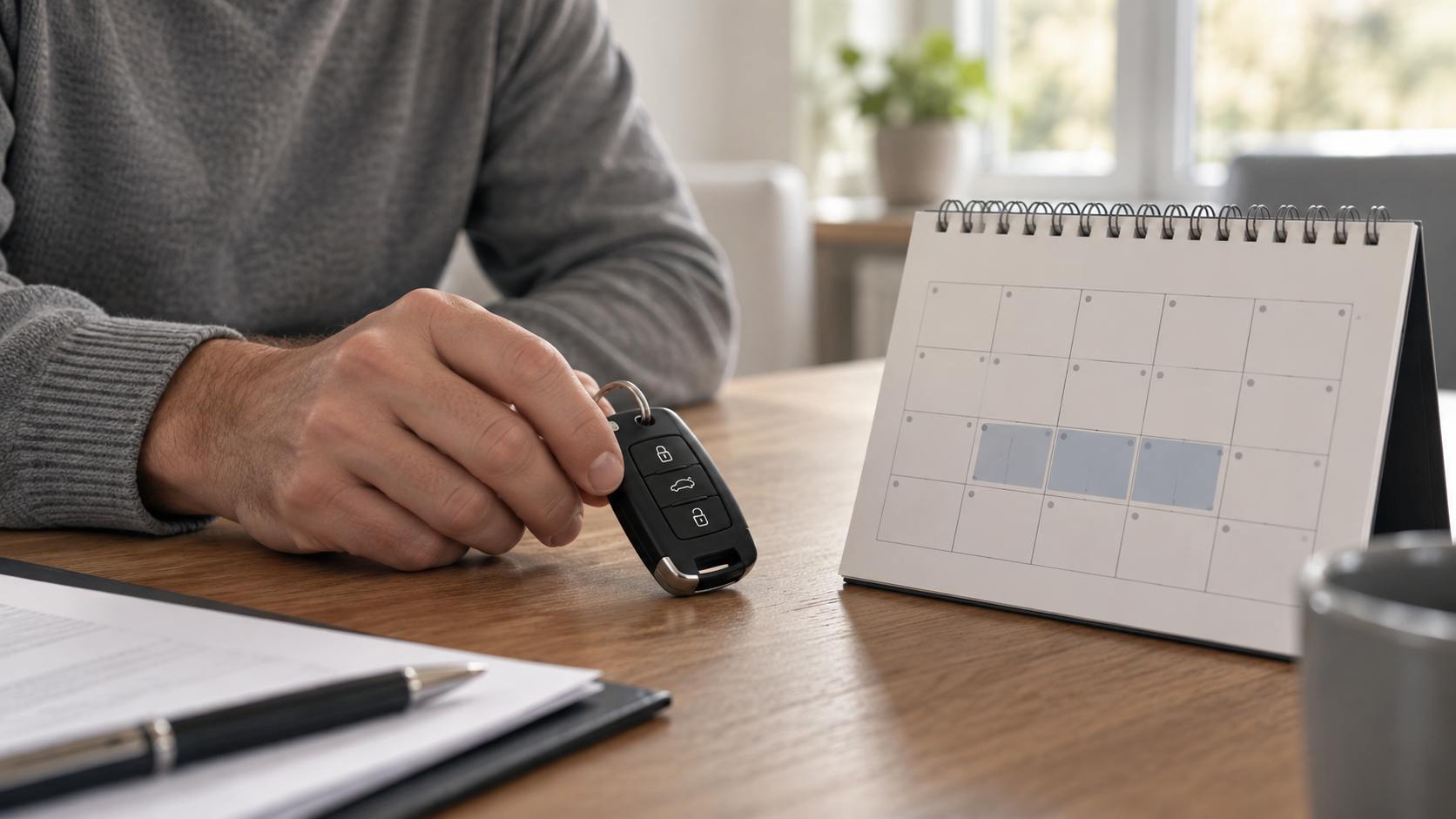
Drivers Cannot Put Unlimited Miles on the Car
The new cancellation right has a strict mileage limit.
A buyer loses the right to cancel under SB 766 if the vehicle has been driven more than 400 miles between signing the agreement and attempting to return it.
Driving fewer than 400 miles does not necessarily mean the return will be free.
The dealer can charge an additional mileage component of the restocking fee once the vehicle has been driven more than 250 miles. That charge is $1 for each mile over 250 miles, with a maximum additional mileage charge of $150.
A buyer who drives 280 miles, for example, could face an additional $30 mileage charge if the dealer applies the permitted restocking fee. A vehicle driven beyond 400 miles no longer qualifies for the statutory three-day cancellation right.
Dealers Can Still Charge a Restocking Fee

California is giving consumers a free right to cancel, but returning the vehicle can still carry a cost.
SB 766 allows a dealer to charge a basic restocking fee equal to 1.5 percent of the vehicle’s sale price. The fee cannot be lower than $200 or higher than $600.
| Vehicle Sale Price | 1.5% Calculation | Permitted Basic Restocking Fee |
| $10,000 | $150 | $200 minimum |
| $20,000 | $300 | $300 |
| $30,000 | $450 | $450 |
| $40,000 | $600 | $600 |
| $50,000 | $750 | $600 maximum |
The mileage charge for driving more than 250 miles can be added to the basic restocking fee.
Dealers that charged a shipping fee to transport the vehicle have another option under the law. They can retain their actual shipping cost instead of the standard 1.5 percent restocking amount, subject to the same maximum that would otherwise apply.
The Vehicle Has to Come Back in Proper Condition
A buyer cannot use the cancellation period as three days of unrestricted use and return a damaged vehicle.
The vehicle must be personally delivered back to the selling or leasing dealer during business hours.
It also has to be in the same condition in which the dealer delivered it, apart from reasonable wear and tear.
The law specifically protects buyers when a defect or mechanical problem becomes evident after delivery and was not caused by the buyer. A dealer cannot automatically reject a cancellation merely because a previously unnoticed mechanical problem appears during the three-day period.
The dealer must document damage it claims goes beyond reasonable wear and tear.
Any cash or other items the buyer received as part of the transaction must also be returned, and the vehicle has to be free from new liens or encumbrances unrelated to the transaction.
Trade-In Vehicles Also Receive Protection
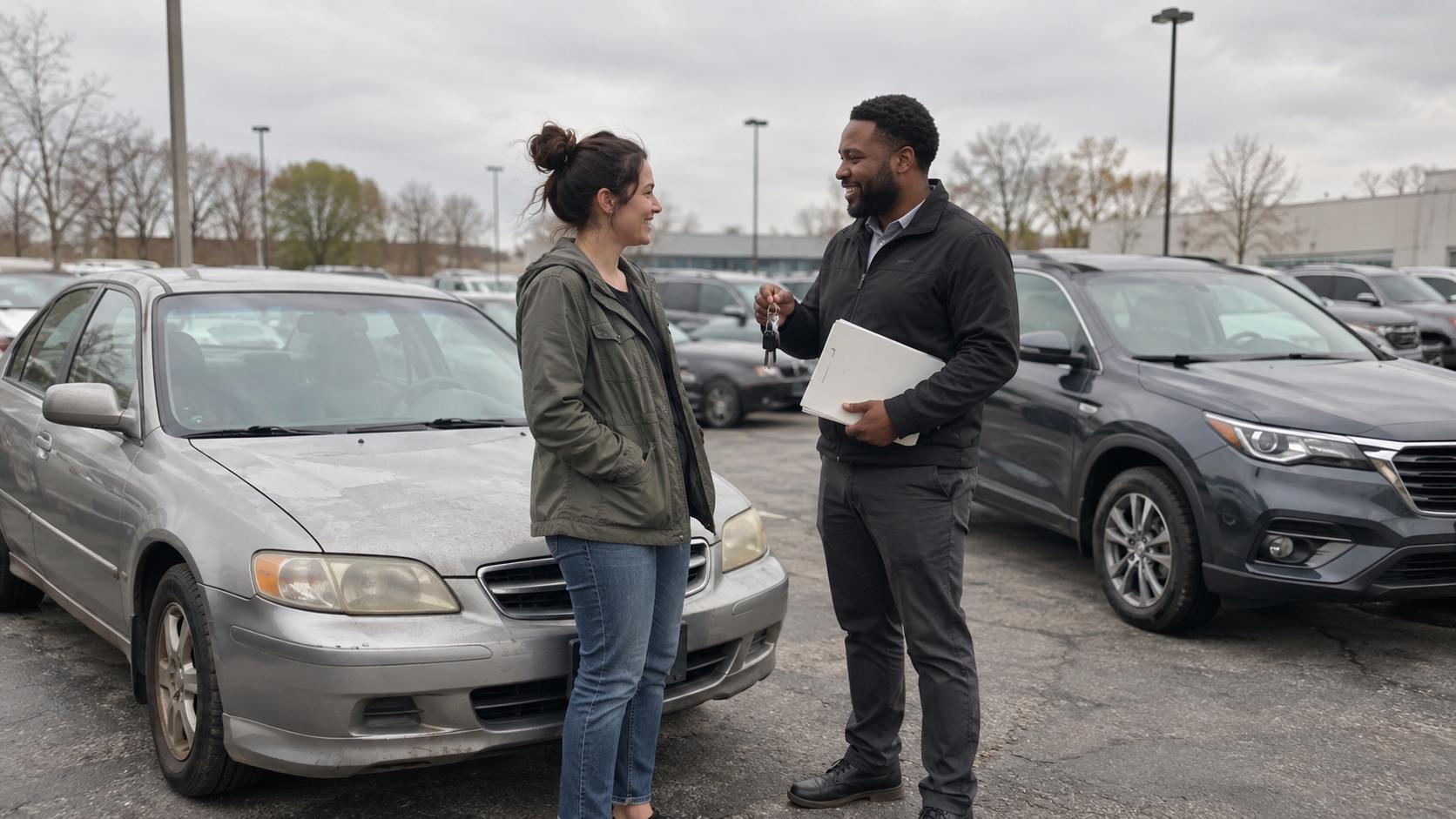
Trade-ins can make canceling a car purchase complicated because a dealership may already have started selling or transferring the old vehicle.
SB 766 sets rules for that situation.
If the trade-in is still available when the buyer exercises the cancellation right, the dealer must return it along with the keys provided by the buyer.
If the dealer has already sold the trade-in or started transferring its title, the buyer is entitled to a refund based on the greatest of three values.
- The agreed trade-in value listed in the purchase or lease agreement
- The amount for which the dealership sold the trade-in
- The fair market value of the trade-in
The dealer can deduct money needed to pay an outstanding loan secured by the trade-in.
Buyers must also receive documentation showing the basis for deductions and, when applicable, documentation related to the sale of the trade-in.
Refunds Generally Have to Be Processed Within 48 Hours
Once a buyer properly exercises the cancellation right, the dealer generally has no more than 48 hours to cancel the contract and provide the required refund, minus legally permitted deductions.
Bank and credit-card processing delays outside the dealership’s control do not count against the dealer.
A different timing rule applies when the customer’s original payment has not yet cleared. A check is one example. In that situation, the dealer can wait until the payment is verified and then has two business days to issue the refund.
The cancellation receipt must show the date and time when the right was exercised and provide an itemized explanation of deductions.
Not Every Used Vehicle Purchase Qualifies
The new rule covers a large part of California’s used-car market, but several transactions fall outside it.
The three-day cancellation right does not apply to a used vehicle priced above $50,000. Motorcycles are excluded from the definition used for the provision.
The law also excludes qualifying auction transactions and the purchase of a leased vehicle by the person who was already leasing and possessing it before the sale.
Other exclusions in the CARS Act cover areas including wholesale transactions, specified fleet sales, certain commercial purchasers and vehicles with a gross vehicle weight rating of 10,000 pounds or more.
New vehicles also do not receive the three-day cancellation right. California requires dealers to place a prominent notice on the first page of covered purchase and lease agreements explaining that the state does not provide a cooling-off period for new vehicles.
Dealers Must Give Buyers a Separate Cancellation Disclosure
Dealers will have to provide buyers and lessees with a separate document titled “3-Day Right to Cancel Used Car Purchase or Lease.”
The disclosure must identify the vehicle and explain the return deadline, mileage restriction, restocking fee, vehicle condition requirements and trade-in rules.
If the transaction was negotiated primarily in one of the languages covered by California’s contract translation rules, the required cancellation disclosure must also be provided in that language.
Dealers are also prohibited from creating unnecessary barriers when a customer tries to cancel. The statute specifically prohibits conduct such as overcharging the restocking fee, improperly withholding a down payment, refusing a required refund or claiming without reasonable grounds that the returned vehicle suffered excessive damage.
The CARS Act Changes More Than Used Car Returns
The three-day return period is only one part of SB 766.
The law also sets new rules for vehicle prices, financing disclosures and dealership add-ons.
Dealers must disclose the total price of a specific vehicle in advertisements and in certain initial written communications with potential customers. Dealer price adjustments and items already installed on the vehicle generally have to be included in that total price.
The law also prohibits material misrepresentations involving purchase costs, financing, leases, trade-ins, vehicle availability and add-on products.
Optional products such as service contracts, GAP agreements and theft-protection products must be identified as optional in covered negotiations. Dealers cannot charge customers for add-ons that provide no benefit, including examples written directly into the statute such as oil-change products for electric vehicles.
The rules add another layer to the precautions buyers already take when making a major vehicle purchase. Our guide to buying high-value products safely also covers vehicle history, title records, liens and documentation that buyers can review before money changes hands.
The Bottom Line
California’s current cancellation option gives some buyers a short period to reconsider a used-car purchase, but they have to pay for that protection and the price ceiling is lower.
Starting October 1, 2026, SB 766 turns the cancellation period into a standard right for covered used vehicles priced at $50,000 or less.
The right lasts three calendar days and applies for any reason. Buyers still have responsibilities. They must stay within the 400-mile limit, return the vehicle on time, bring it back in the required condition and pay any permitted restocking charges.
For someone who leaves a dealership and discovers a mechanical problem, finds an issue in the paperwork or simply decides the purchase was a mistake, the new system provides a direct route to cancel the transaction.
The full SB 766 legislative record shows that the law was approved by the governor on October 6, 2025 and becomes operative on October 1, 2026.