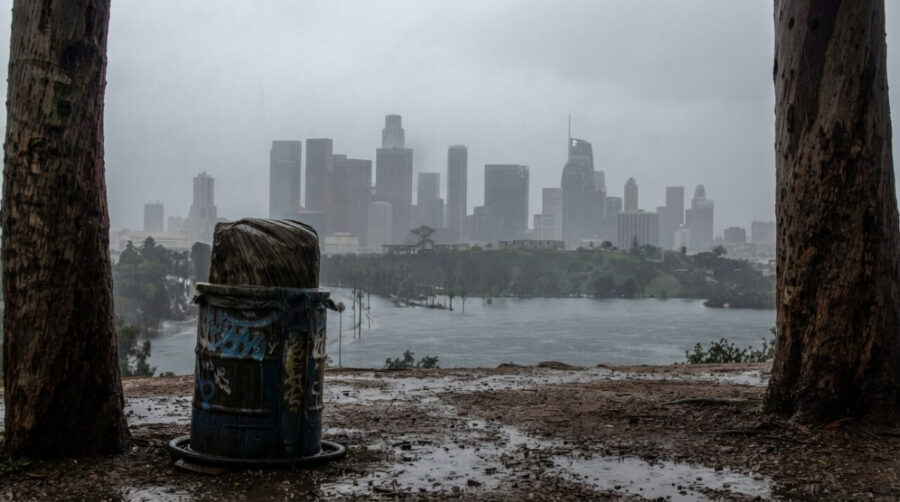

Governor Gavin Newsom declared a state of emergency for all of California on Monday morning in preparation for what forecasters expect could become one of the strongest El Niño events on record.
The declaration, issued September 21, 2026, mobilizes state resources and streamlines procurement ahead of winter storms that could bring widespread flooding, mudslides, coastal erosion, and atmospheric rivers to the state.
The proclamation states that Newsom “find[s] that conditions of extreme peril to the safety of persons and property exist due to the developing El Niño event”. Officials emphasized that the declaration is a preparatory measure, not a response to an emergency already underway.
Table of Contents
ToggleKey Facts
El Niño is a naturally occurring climate pattern driven by warming waters in the Pacific Ocean. These events typically occur every two to seven years. According to the governor’s office, this year’s El Niño is expected to rank among the strongest in historical record.
The emergency declaration directs state agencies to support local mitigation and recovery efforts and to identify resource needs before storms arrive.
“We are not waiting for this season’s storms to be on our doorstep,” said Caroline Thomas Jacobs, director of the California Governor’s Office of Emergency Services (Cal OES), in a statement released by the governor’s office.
“Cal OES is leading California’s statewide efforts by bringing state and local partners together, conducting advance planning efforts, and identifying potential needs before impacts occur.“
Jacobs added that the early coordination is intended to ensure “communities and first responders have the personnel, equipment, and support they need to prepare for severe weather, respond quickly when conditions change, and protect lives and property across California”.
Why This Declaration Is Unusual
California has issued El Niño-related emergency declarations before, but this one may be the earliest on record.
In January 1983, then-Governor George Deukmejian placed several Southern California counties under a state of emergency following severe coastal damage and heavy rain. Additional storms later struck northern parts of the state, prompting further declarations.
In February 1998, then-Governor Pete Wilson issued and subsequently expanded a state of emergency to 43 counties due to repeated winter storms.
Local emergency declarations have already been issued this year in Orange County related to El Niño preparations and the impacts of Hurricane Marie.
What Residents Should Do Now
State officials are urging Californians to begin preparations immediately. Key recommendations include reviewing homeowner’s insurance policies and securing flood insurance. Officials noted that policy changes can take up to 30 days to take effect, making early action important ahead of the winter storm season.
El Niño conditions typically increase the likelihood of flooding, mud and rockslides, coastal erosion, and severe weather driven by persistent winter storms and atmospheric rivers.
What Comes Next
The statewide emergency declaration remains in effect and authorizes Cal OES to coordinate resources across state and local agencies. The severity of the coming winter will depend on how the El Niño pattern develops over the next several months. Residents can monitor updates through Cal OES and the governor’s office as the winter storm season approaches.