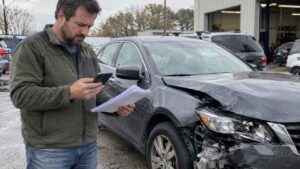


Federal support for addiction and mental health services has moved well beyond the $700 million mark in 2026.
On June 17, the U.S. Department of Health and Human Services announced roughly $708 million in new behavioral-health funding opportunities, led by investments in community clinics, the 988 crisis system, addiction treatment and prevention, and services for people experiencing homelessness.
The June package covers one major wave of federal funding. Earlier in the year, the Substance Abuse and Mental Health Services Administration, or SAMHSA, distributed another $794 million in initial block-grant allocations to states and territories.
According to the agency’s block-grant announcement, later awards have continued moving federal dollars into community programs.
The result is a funding year with a broad reach, from a crisis counselor answering a 988 call to a rural EMS crew responding to an overdose.
Where the Roughly $708 Million Is Going
HHS’s June funding announcement divided the package across several parts of the behavioral-health system. The largest shares went to 988 crisis-response capacity and Certified Community Behavioral Health Clinics, known as CCBHCs.
Funding area
Announced amount
988 and Suicide & Crisis Lifeline programs
$238.6 million
Certified Community Behavioral Health Clinics
$223.1 million
STREETS homelessness and behavioral-health program
$96 million
Substance use prevention, treatment and recovery
$80 million
Mental health services and supports
More than $70 million
The $96 million STREETS program has a particularly focused mission. SAMHSA plans to fund eight communities at up to $3 million per year for four years, supporting street-based engagement, treatment and recovery services for people who are homeless and have serious mental illness, substance use disorders, or co-occurring conditions.
A person sleeping in a car, shelter, encampment, or transit station may have little chance of keeping a conventional weekly clinic appointment.
Access can also depend on having different levels of treatment available, with providers such as APEX Recovery Knoxville offering options that range from detox and residential care to outpatient programs.
The STREETS grant program is built around bringing engagement closer to where people already are and coordinating health, housing, justice, and community services around them.
Community Clinics Receive One of the Biggest Shares

The $223.1 million directed toward CCBHC programs may be less familiar to the public than 988, yet the clinic model has become an important part of federal behavioral-health policy.
Under SAMHSA’s current CCBHC standards, participating clinics must provide or coordinate nine core services and offer 24/7 crisis care. They also serve people seeking mental health or substance use care regardless of ability to pay, age, or place of residence.
For a patient, the practical appeal is easy to picture. Mental health treatment, substance use services, crisis response, screening, peer support, case management and care coordination can sit inside one organized system. A family seeking help during a psychiatric or addiction crisis may otherwise spend hours contacting separate providers and searching for an available appointment.
June funding included $117.1 million for CCBHC improvement and advancement grants, $94 million for planning, development and implementation grants, and $12 million for state planning.
988 Is Becoming Permanent Behavioral-Health Infrastructure
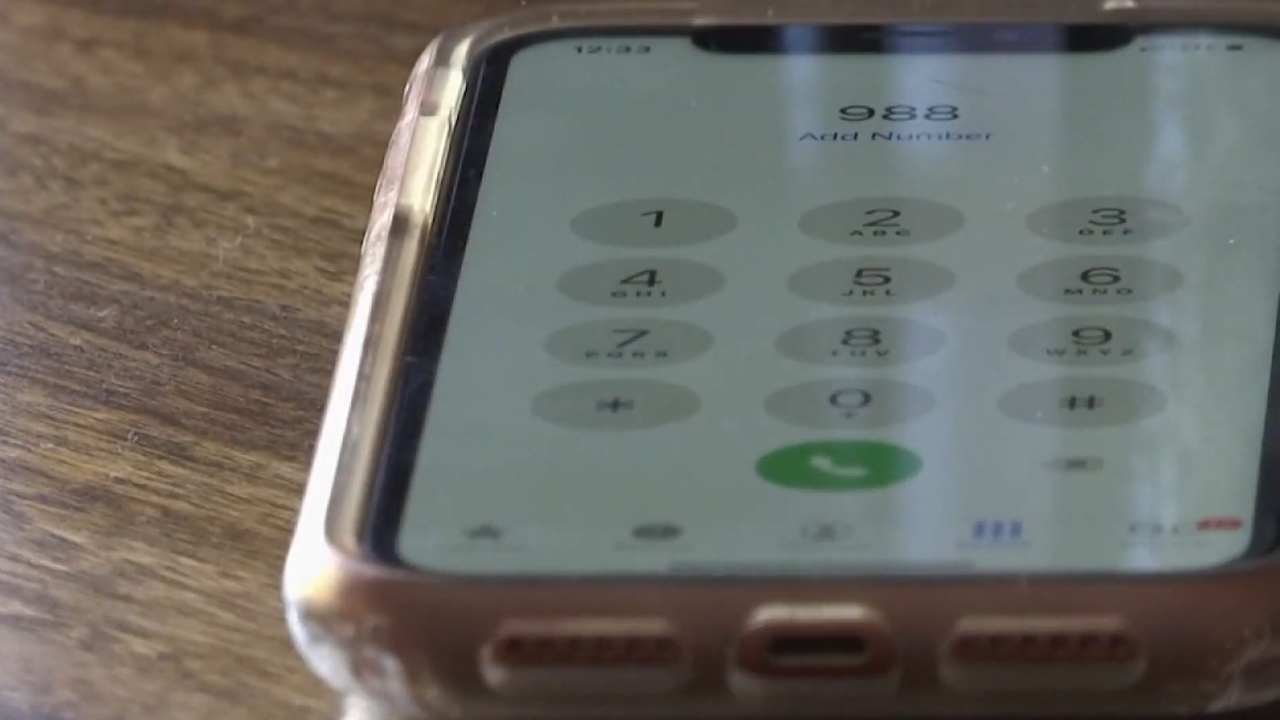
At $238.6 million, 988-related programs received the largest share of the June package. Most of the money, $211.1 million, was designated for states and territories to improve local 988 capacity.
Tribal response programs received $20 million, while crisis-center follow-up programs received $7.5 million.
The service has already reached considerable scale. SAMHSA reported in May that the 988 Suicide & Crisis Lifeline had received more than 25 million contacts through calls, texts, chats, and ASL videophone since launch. The national system includes more than 200 local crisis contact centers.
People who need a broader view of crisis aid can also review our guide to social support for low-income households, which covers 988 and other support options.
Follow-up funding matters because a crisis can continue after a call ends. Someone may still need an appointment, medication access, transportation, substance use treatment, housing assistance, or ongoing counseling. Federal grants increasingly support connections between an initial crisis contact and longer-term care.
Addiction Funding Arrives as Overdose Deaths Decline
The addiction portion of the June announcement spreads $80 million across rural EMS training, recovery support, prevention programs, drug courts, opioid technical assistance, youth treatment, services for pregnant and postpartum women, Tribal opioid response and underage-drinking prevention.
US drug overdose deaths fell to approximately 69,973 in 2025.
A 14% decline from 2024. The third consecutive annual drop.
That sounds like progress.
But 69,973 deaths means 192 Americans dying from overdose every single day.
For context: that is more than die from guns…
— World of Statistics (@stats_feed) August 11, 2026
The timing comes with an encouraging public-health signal. CDC provisional data estimated 69,973 U.S. drug overdose deaths in 2025, down almost 14% from 81,313 in 2024. Estimated opioid-involved deaths fell from 55,296 to 44,564.
The remaining treatment burden is still enormous. SAMHSA’s 2025 national survey estimated that 42.7 million adults had a substance use disorder during the previous year. Among adults, 54.6 million had any mental illness, while 18.5 million experienced both a substance use disorder and mental illness during the year.
Social isolation adds another layer to the problem, as our report on America’s loneliness crisis shows across several U.S. age groups.
Co-occurring conditions help explain why federal programs increasingly combine addiction and mental health services. A patient may arrive with depression, opioid use, unstable housing and a recent suicide crisis, creating a need for coordinated care across several services.
The $700 Million Headline Covers One Funding Package
Federal behavioral-health funding flows through several channels, making the June figure one part of a considerably larger federal effort.
In February, SAMHSA distributed $794 million in the first allocation of its annual block grants. Of that amount, $319 million went to the Community Mental Health Services Block Grant and $475 million to the Substance Use Prevention, Treatment, and Recovery Services Block Grant.
View this post on Instagram
Funding continued later in the summer. HHS awarded $96.7 million on August 17 for programs including homelessness outreach, youth suicide prevention, substance use treatment training, and disaster distress services.
On August 31, another HHS grant announcement detailed $77 million for substance use prevention, treatment and recovery, community mental health, suicide prevention and crisis services.
Later awards can originate from funding opportunities announced earlier. Accurate annual totals therefore require matching individual awards with their original funding opportunities and appropriations to prevent double counting.
A Clear Policy Direction Is Taking Shape

President Donald Trump established the Great American Recovery Initiative by executive order on January 29. The executive order created a cross-government effort focused on addiction prevention, treatment, and long-term recovery, with HHS playing a central role.
A pattern is visible across the 2026 funding announcements. Federal dollars are concentrating on crisis response, community-based clinics, treatment and recovery, suicide prevention, homelessness outreach, and programs serving populations with specific barriers to care.
Funding levels alone cannot guarantee shorter wait times, a stronger behavioral-health workforce, effective follow-up, or improved patient outcomes. Grant design, staffing, and local implementation will shape how much of the investment reaches people at the moment care is needed.
Still, the scale is significant. A June package of about $708 million, a separate $794 million block-grant allocation, and additional awards throughout the year place behavioral health prominently within federal health policy.
For communities, the most meaningful measure will eventually be practical: whether people can find care faster, remain connected to treatment, and build a sustainable recovery.