
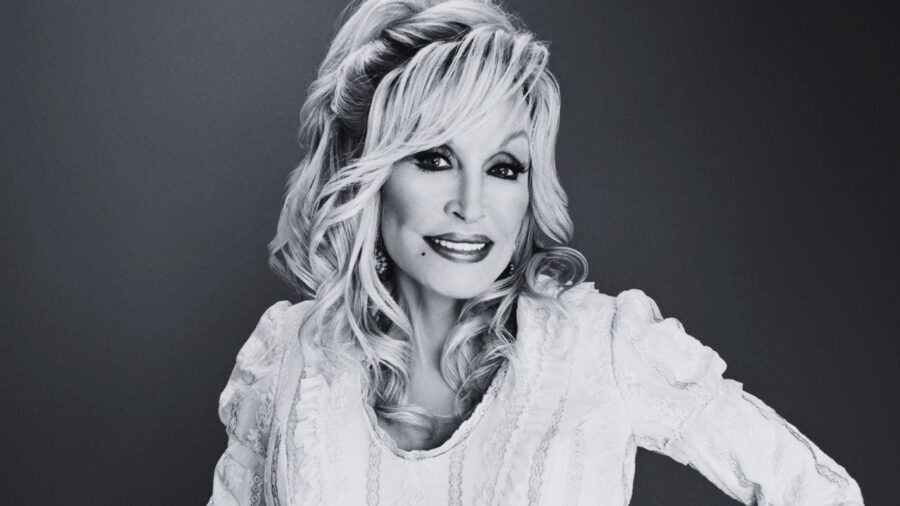

Dolly Parton, the Tennessee-born singer-songwriter, actor and philanthropist, died in Nashville on Tuesday, August 25, 2026, after a brief battle with cancer. She was 80.
Her death prompted tributes across music and public life, with LGBTQ organizations emphasizing a record of support that stretched from the AIDS crisis to recent disputes over transgender rights. The Associated Press confirmed the death and cancer diagnosis.
Parton’s importance to LGBTQ audiences grew through decades of public statements, songs and personal gestures centered on inclusion. Her approach carried particular weight inside country music, where major performers historically faced pressure to avoid LGBTQ subjects.
Table of Contents
ToggleKey Facts About Dolly Parton’s Death
Parton’s family announced her death through her nephew, Bryan Seaver. She died after a seven-decade career that produced enduring recordings including “Jolene,” “Coat of Many Colors,” “9 to 5” and “I Will Always Love You.”
She sold over 100 million records, won 11 Grammy Awards and wrote an estimated 3,000 songs. Her work also extended into film, television, Dollywood and the Imagination Library, her childhood literacy program. Reuters detailed her career and philanthropic work following the family’s announcement.
Parton’s husband of 59 years, Carl Dean, died in March 2025. The couple had no children.
Cancer Diagnosis and Funeral Plans
The initial announcement did not identify a cause of death. Representatives later said Parton had faced a brief battle with cancer and died at Vanderbilt-Ingram Cancer Center in Nashville while surrounded by loved ones. The specific type of cancer had not been disclosed as of August 26. WSMV reported the statement from her team.
According to the official memorial announcement, Parton requested a small service limited to immediate family. No public memorial had been announced by early Wednesday. Her family asked supporters to donate to the Imagination Library in place of sending flowers.
How Parton Supported LGBTQ People
Parton expressed acceptance at a time when explicit LGBTQ references remained uncommon in mainstream country music. Her 1991 song “Family” included gay relatives within its portrait of a complicated, loving family. The message arrived during the AIDS crisis, when many public figures still avoided direct acknowledgment of gay people.
She publicly supported marriage equality in 2009, several years before the U.S. Supreme Court recognized a nationwide right to same-sex marriage. A recent Advocate column on Parton identified both moments as central to her standing among LGBTQ fans.
In 2005, Parton wrote “Travelin’ Thru” for Transamerica, a film centered on a transgender woman. The song received an Academy Award nomination for Best Original Song at the 2006 Oscars, as recorded in the Academy’s official archive.
Her support continued as transgender rights became a major political dispute in Tennessee. Asked in 2023 about legislation affecting transgender people, Parton said she wanted everyone treated well and argued that a person’s identity deserved acceptance. Her comments appeared in a Hollywood Reporter interview.
Why Her Approach Carried Weight
Parton usually avoided party politics, allowing her to maintain an unusually broad audience across ideological lines. She still addressed equality in direct terms when asked, often framing acceptance through family, faith and individual dignity.
Reuters collected the tribute from GLAAD President and CEO Sarah Kate Ellis, who said Parton’s support covered decades, citing “Family,” “Travelin’ Thru” and her early endorsement of marriage equality. Ellis described Parton as a global queer icon whose art made space for outsiders.
Parton’s music, literacy work and businesses will continue through the institutions she built. For LGBTQ audiences, her legacy also rests in a consistent public message: belonging did not require explanation or permission.