
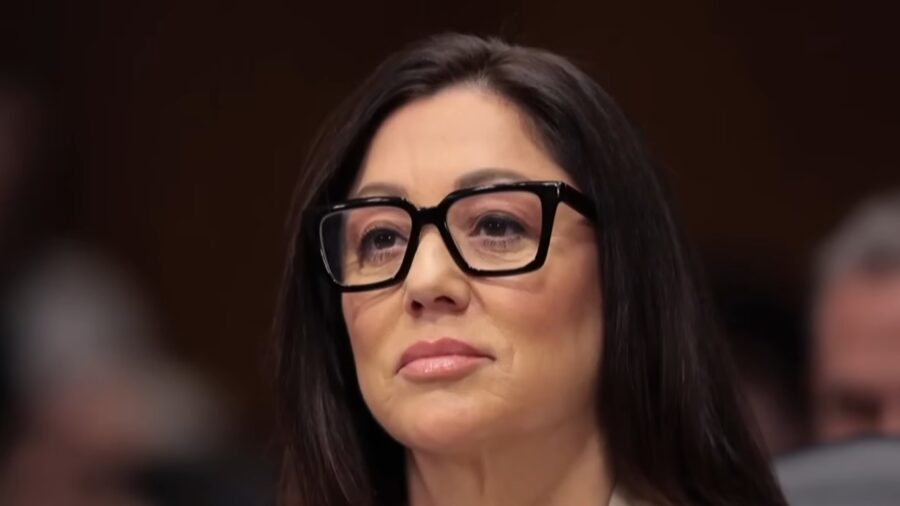

Lori Chavez-DeRemer resigned as U.S. labor secretary on April 20, bringing an abrupt end to a tenure that began with unusual bipartisan goodwill and ended under the pressure of a widening misconduct investigation.
Reuters reported that her resignation came as the Department of Labor’s inspector general moved toward interviewing her in the case, and the White House confirmed that Deputy Secretary Keith Sonderling is expected to serve as acting labor secretary.
Table of Contents
ToggleThe Allegations Reached Far Beyond One Isolated Claim
The inquiry into Chavez-DeRemer was politically explosive because it was not centered on a single episode.
Reuters reported that investigators were examining allegations of an inappropriate relationship with a member of her security team, misuse of department resources for personal matters, and unprofessional communications directed at young staffers by Chavez-DeRemer and senior aides.
The Associated Press reported a similar picture, describing allegations of abuse of power, drinking on the job, and the use of staff for personal tasks.
The Guardian added that the turmoil inside the department also included claims involving politically connected grantmaking and broader internal dysfunction.
The Scandal Spread to Her Inner Circle
The damage to Chavez-DeRemer’s office deepened because scrutiny did not stop with the secretary herself.
The Guardian reported that her husband, Shawn DeRemer, had been barred from Labor Department headquarters after allegations of sexual misconduct involving female staffers.
According to the same report, the accusations became part of the larger atmosphere of disorder surrounding the secretary’s office, reinforcing a perception that the department’s leadership had lost control long before the resignation became official.
Her Appointment Once Looked Like a Different Kind of Republican Labor Politics
What makes the resignation especially striking is how Chavez-DeRemer entered office. When she was sworn in on March 11, 2025, the Labor Department said she had been confirmed by the Senate on a bipartisan 67-32 vote.
That support mattered because she was seen, at least initially, as a Republican with more credibility among unions than most Trump allies.
Reuters noted at the time of her rise that her record in Congress had drawn labor interest and helped distinguish her from more traditional anti-union conservatives.
The Collapse Carries Consequences Beyond One Cabinet Post
Labor Secretary Lori Chavez-DeRemer, whose leadership has been the subject of a monthslong investigation following allegations of misconduct, is leaving the Trump Administration. https://t.co/qBerIbTWIp
— TIME (@TIME) April 20, 2026
By the time Chavez-DeRemer stepped down, that early promise had been overtaken by scandal and internal instability. Reuters described her as the third cabinet departure in recent weeks, giving Democrats more ammunition for the argument that Trump’s second-term administration is increasingly chaotic.
The Associated Press similarly framed her exit as another high-level implosion inside a cabinet already marked by controversy. In political terms, her resignation is more than a personnel change.
It is the collapse of a figure who once suggested Trump might try to soften his image on labor, only to become another example of a cabinet undone by allegations, dysfunction, and public disgrace.