
Illinois is reclassifying high-speed electric bicycles and electric motorcycles. Under Senate Bill 3336, vehicles capable of exceeding 28 miles per hour or utilizing motors larger than 750 watts will fall under the jurisdiction of the state as motor vehicles starting January 1, 2027.
The legislative shift ends the regulatory gray area for high-powered two-wheelers, requiring owners to obtain registration, titles, and standard driver’s licenses.
The Illinois General Assembly passed the framework to address growing safety concerns on public paths and urban roadways. By moving high-speed micromobility into the motor vehicle code, Illinois establishes a strict regulatory boundary between traditional low-speed e-bikes and lightweight electric mopeds.
What Does the Illinois Micromobility Bill Change?
The legislation updates the legal definition of low-speed electric bicycles to draw a hard line against high-powered hybrid vehicles.
For years, Illinois adhered strictly to the standard three-class e-bike system. Class 1 and Class 2 e-bikes top out at 20 miles per hour, while Class 3 models provide assistance up to 28 miles per hour.
The updated rules target an emerging category often labeled as out-of-class electric vehicles or high-speed e-motos.
Popular models from manufacturers such as Sur-Ron, Talaria, and Super73 frequently blur the boundary between bicycles and mopeds, presenting coverage technicalities that firms like Charlie Therman routinely encounter when insurance carriers deny injury claims based on vehicle classification.
Many vehicles feature nominal motor ratings of 1,000 to 3,000 watts, with peak outputs climbing even higher. Some models possess off-road modes enabling speeds beyond 45 miles per hour while retaining functional pedals.
Beginning next year, any two-wheeled electric vehicle exceeding the 750-watt motor threshold or the 28 miles per hour speed limit will lose low-speed electric bicycle status. The state will treat the units identically to gasoline-powered mopeds or motorcycles, depending on total power output.
The New Regulatory Classification Framework
| Vehicle Category | Maximum Speed | Motor Power Limit | Registration Required | License Required | Allowed Infrastructure |
| Class 1 & 2 E-Bikes | 20 mph | 750 Watts | No | No | Bike Lanes & Multi-Use Paths |
| Class 3 E-Bikes | 28 mph | 750 Watts | No | No | Traditional Roadways & Selected Bike Lanes |
| High-Speed E-Bikes | 28 to 40 mph | 750 to 2,000 Watts | Yes (Moped Class) | Yes (Class L or M) | Street Legal Only (No Bike Lanes) |
| Electric Motorcycles (E-Motos) | Over 40 mph | Exceeds 2,000 Watts | Yes (Motorcycle Class) | Yes (Class M License) | Public Roads and Highways Only |
How Will the New Regulations Affect Riders and Retailers?
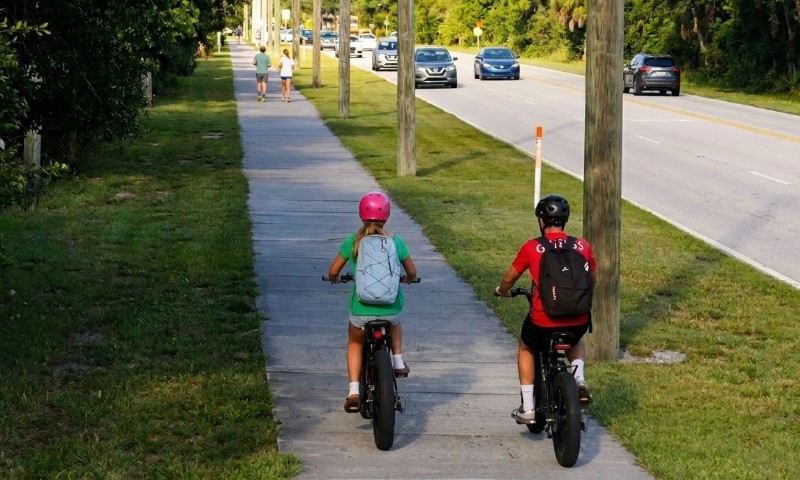
Riders must register high-speed vehicles through the Illinois Secretary of State office before operating them on public roads next year.
Operating an unclassified high-speed e-bike on a public street without a visible license plate will result in traffic citations identical to driving an unregistered motor vehicle.
Furthermore, operators must secure liability insurance, a requirement that could create structural hurdles since traditional bicycle insurance policies exclude motor vehicles, and standard motorcycle insurers are still developing specific policy structures for high-speed micromobility.
Retailers across Illinois face strict alignment protocols. Dealerships and local bike shops must explicitly label inventory to prevent consumer confusion.
Selling an out-of-class vehicle without disclosing the requirement for a driver’s license and state registration will carry civil penalties under the Illinois Consumer Fraud and Deceptive Business Practices Act.
Manufacturers must also provide official Certificates of Origin to allow consumers to complete the titling process at local Secretary of State facilities.
Many existing owners express frustration regarding retrofitting older models. A significant portion of high-speed e-bikes currently on Illinois roads lack turn signals, mirrors, and Department of Transportation-approved lighting. Owners must modify the vehicles to meet state moped safety standards or face restrictions limiting usage entirely to private property.
Why is Illinois Targeting High-Speed Micromobility Now?
Rising accident rates and infrastructure conflicts drove the Illinois General Assembly to implement the statutory update.
Supporters of the measure noted that devices create a safety hazard for both riders and pedestrians because some can travel more than 40 miles per hour while sharing narrow pathways.
The speed differential between a traditional commuter bicycle traveling at 12 miles per hour and a modified e-moto traveling at 35 miles per hour created significant danger within narrow urban bike lanes.
Municipal leaders lobbied state lawmakers for regulatory clarity. Local police departments frequently noted difficulties in enforcing existing traffic laws due to the ambiguous nature of high-powered electric bikes.
Public land managers also supported the legislative push. The initiative, heavily backed by Secretary of State Alexi Giannoulias, aims to create a uniform system of regulations.
According to updates reported by Capitol News Illinois, the 2027 rules reinforce the authority of land managers to manage eco-sensitive spaces while keeping high-speed transit limited to appropriate roadways.
What Areas of Uncertainty Remain in the Legislation?
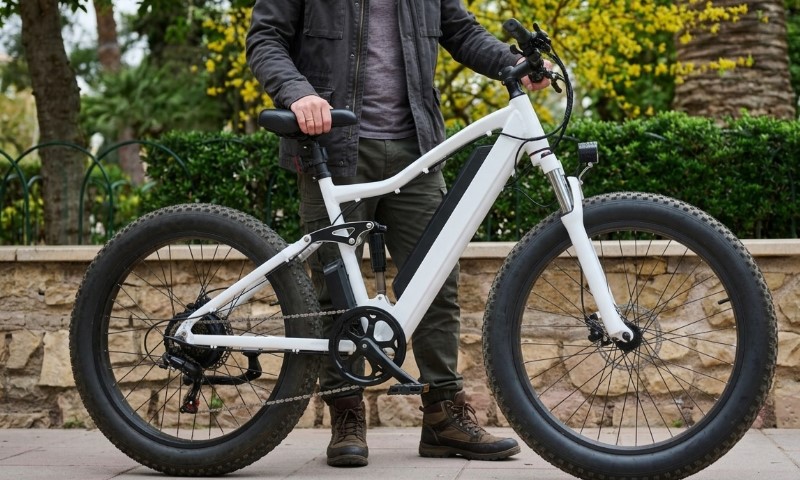
Enforcement mechanics represent the largest area of operational uncertainty heading into 2027. While the legal text clearly mandates registration and licensing, local police departments express concern over the practicality of stopping fast-moving, lightweight vehicles in crowded urban environments.
Pursuing an operator through a public park or pedestrian plaza presents severe safety risks that often outweigh the benefits of writing a registration ticket.
Micromobility advocacy groups argue that the legislation could stifle green transportation adoption.
Organizations point out that classifying high-speed e-bikes alongside motor vehicles adds financial barriers, such as registration fees and insurance premiums, which might discourage commuters from replacing cars with clean alternatives.
Advocacy leaders suggest that expanding separated infrastructure would protect pedestrians more effectively than imposing restrictive licensing frameworks on lightweight vehicles.
Another unresolved issue involves out-of-state visitors. The statute currently lacks a comprehensive reciprocity agreement for tourists bringing high-speed e-bikes into Illinois from states with more permissive frameworks. Lawmakers will likely need to draft clarifying amendments before the implementation date to address tourism impacts.
Summary
The upcoming regulatory transition represents a major shift in how Illinois manages evolving transportation technologies.
By separating low-speed consumer e-bikes from high-powered electric motorcycles, the state aims to restore safety to bike paths while legitimizing high-speed micromobility on public roadways.
Success depends on the ability of the Secretary of State to streamline the registration process and the willingness of manufacturers to comply with new titling requirements.