
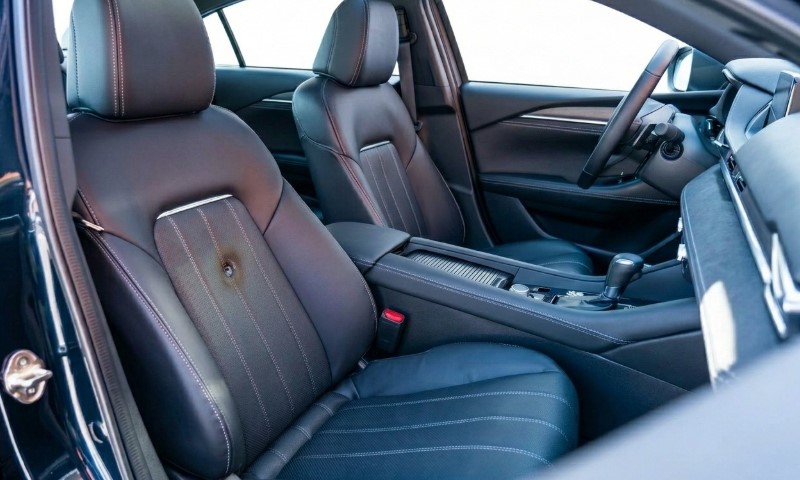

Mazda Motor of America is facing a proposed class action over allegations that heated seats in about 301,549 vehicles can overheat, smoke, damage upholstery, and burn occupants.
The heated seats are sold as comfort features, yet the complaint frames the alleged defect as a safety and resale-value problem affecting Mazda CX-9, Mazda6, CX-30, CX-50, and CX-5 owners.
The claims remain allegations, not proven findings. Still, named plaintiffs describe second-degree burns, a scorched jacket, smoke from a seat, and repair disputes, while the lawsuit estimates total repair exposure above $662 million.
What Is The Mazda Heated Seats Lawsuit About?
View this post on Instagram
The lawsuit says certain Mazda seat warmer systems can become dangerously hot during normal use and expose drivers or passengers to burns, smoke, fire risk, property damage, and diminished vehicle value.
AboutLawsuits reports that the complaint was first brought in California state court on September 18, 2025, by Micah Prochaska, Patrick Sandoval, Tina Rogers, Sharmee T. Anderson, and Russell J. Quinn, then removed to the U.S. District Court for the Southern District of California on May 1, 2026.
Plaintiffs claim Mazda knew or should have known about the alleged seat warmer hazard and failed to give adequate warnings or free remedies.
The complaint includes claims for failure to warn, design and manufacturing defect, breach of warranties, negligent product liability, negligent misrepresentation, fraud, and unfair business practices.
No court has ruled that Mazda is liable. A proposed class action must still clear class certification, causation evidence, and any Mazda defenses.
Which Mazda Vehicles Are Named?
The vehicles named in reports on the complaint are limited to several model years, not every Mazda with heated seats.
CarComplaints lists five groups, while Road & Track reports the same model-year set and says the suit estimates 301,549 vehicles with repair costs of $662,492,128.17.
| Model | Model year or years named | Alleged issue |
| Mazda CX-9 | 2016-2017 | Seat warmer overheating, smoke, burn damage |
| Mazda6 | 2018 | Seat warmer overheating and alleged occupant burns |
| Mazda CX-30 | 2024 | Heated seat allegedly caused leg burn |
| Mazda CX-50 | 2023 | Seat heat allegedly became excessively hot |
| Mazda CX-5 | 2023 | Heated seat allegedly caused second-degree partial burn |
The listed models matter because class action coverage often turns on exact model year, trim, seat option, warranty history, and purchase or lease location.
What Injuries And Damage Do Plaintiffs Allege?
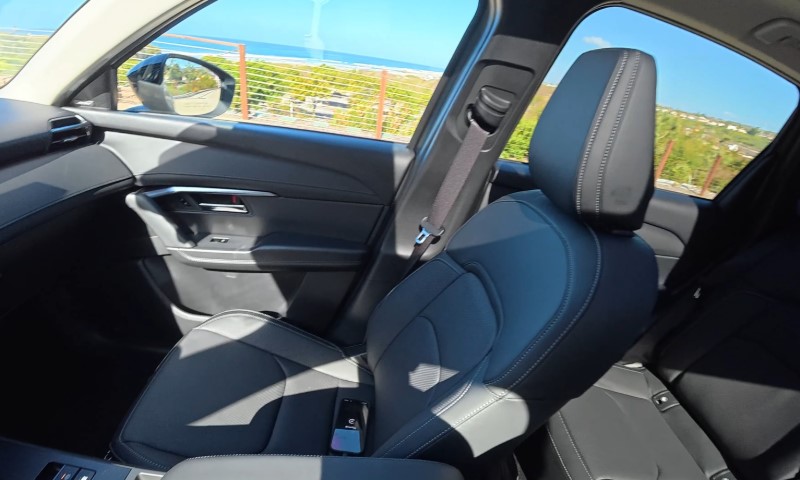
Plaintiffs describe burns, visible smoke, damaged upholstery, and repair costs. Road & Track reports that four of the five plaintiffs allege second-degree burns on legs or buttocks.
One Illinois plaintiff, Micah Prochaska, says the passenger-seat heater in a 2017 Mazda CX-9 burned a jacket, left a hole in the seat, and produced smoke while he was driving home.
California plaintiff Sharmee T. Anderson says the heated seat in her 2023 Mazda CX-5 caused a blister around the size of a half-dollar on her left leg and that she received treatment for second-degree partial burns.
Patrick Sandoval, a 2018 Mazda6 owner with neuropathy, alleges that reduced sensation delayed his reaction to excessive heat and that burns to his legs and buttocks aggravated a prior spinal injury.
Sandoval later purchased a 2023 Mazda CX-50 hoping a newer model would avoid the issue, then allegedly stopped using its heated seats after they became “insanely hot,” according to reporting based on the complaint.
Why Heated Seat Burns Are A Real Safety Concern
Heated seat burn risk is most serious for people with reduced sensation, limited mobility, neuropathy, spinal cord injuries, diabetes-related nerve damage, or any condition that delays pain response. A burn can occur before a person realizes the seat surface is too hot, especially during longer drives.
Medical literature supports the concern. A 2020 abstract in the Journal of Burn Care & Research described a neurologically impaired patient who suffered full-thickness posterior thigh burns from a car seat heater.
Researchers tested 10 vehicles from model year 2014 or newer and found maximum seat temperatures ranging from 35°C to 53°C, with 7 of 10 exceeding 43°C, a threshold the authors identify as a recommended upper limit.
The legal question is narrower: whether Mazda’s systems were defective, whether warnings were adequate, and whether Mazda had enough notice to act sooner.
Has Mazda Had Seat Warmer Issues Before?
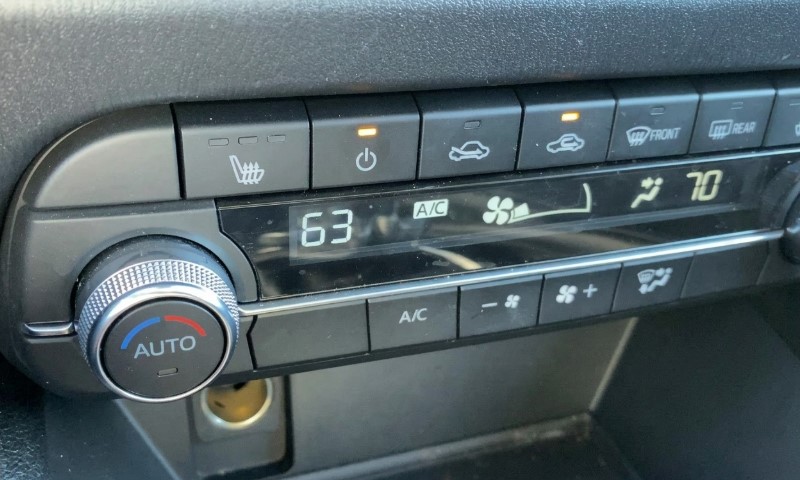
Mazda has handled seat-warmer issues before, although earlier records do not prove the new lawsuit’s allegations.
In March 2010, Mazda issued a voluntary safety recall for certain 2010 CX-9 vehicles with seat warmers, stating that a control circuit could overheat and fail under extremely cold conditions due to insufficient electrical grounding, causing burn damage to the seat cushion or, in the worst case, smoke or fire risk.
Mazda also issued a 2015 service bulletin for certain 2013-2015 CX-5 and 2014-2015 Mazda6 vehicles with seat warmers. That bulletin described an inoperative seat warmer condition tied to a heater element wire moving out of position, bending under repeated stress, and breaking.
Both records show prior seat-warmer service history in Mazda vehicles. They do not automatically establish liability for the 2026 proposed class action, which names different model years and alleges overheating injuries rather than only inoperative heaters.
What Could The Lawsuit Cost Mazda?
The complaint’s reported repair estimate is $662,492,128.17 across 301,549 vehicles, roughly $2,200 per vehicle.
A repair estimate is not the same as a judgment, settlement, recall cost, or actual Mazda reserve. Litigation costs can change depending on class certification, technical evidence, injury claims, warranty defenses, and settlement structure.
What Should Mazda Owners Do Now?
Owners who notice excessive seat heat, smoke, melting, unusual odor, visible scorch marks, or skin injury should stop using the seat heater and contact a Mazda dealer or qualified repair professional.
For injury, medical care creates both a health record and a dated record of what happened.
Readers in Texas who suffered burns or property damage may also want to speak with a local injury attorney, especially when a possible defective product is involved. The Texas Law Dog handles personal injury matters in Arlington, including defective product cases.
Here are some practical steps you can take:
- Photograph seat damage, clothing damage, warning lights, and injuries.
- Keep dealer repair orders, estimates, receipts, and refusal notes.
- Record model year, trim, VIN, mileage, date, outside temperature, seat setting, and drive length.
- Check the vehicle’s VIN through Mazda’s recall page, which says owners can see open recalls and that safety recall repairs are made free of charge.
- File a vehicle safety complaint with NHTSA if a seat heater caused smoke, fire, burns, or another safety issue. NHTSA says consumers can report vehicle, tire, car seat, or equipment safety problems that could indicate a safety defect.
A class action may later define who is included, but owner records are useful regardless of litigation outcome.
Bottom Line
Mazda’s heated seat class action is still at the allegation stage, but it is more specific than a routine product complaint.
The case names five plaintiffs, five Mazda model groups, about 301,549 vehicles, and a reported repair estimate above $662 million. It also includes physical injury claims, not only dissatisfaction with a feature.
The key point for 2026 Mazda owners is narrow and practical: affected model years should be treated with caution if the seat heater feels abnormally hot or shows signs of smoke, melting, or burn damage.
Until a court ruling, settlement, recall, or Mazda response clarifies the issue, documentation and safety reporting are the strongest owner tools.