

If you’ve been Googling “best places to retire abroad,” you’ve probably noticed the same problem I have: most lists read like glossy real-estate brochures. They tell you Greece is dreamy and Portugal is affordable and then funnel you to a paywalled report.
This guide is different. I’ve done two things most lists won’t. First, I’ve cross-referenced every authoritative ranking I could find – International Living’s 2026 Annual Global Retirement Index, the Live and Invest Overseas 2026 Index, the Global Citizen Solutions Retirement Index, and independent reporting in Kiplinger, U.S. News, and the Washington Blade – and layered in Social Security Administration realities about benefits abroad.
Second, I’ve been on the ground in most of these countries myself, either as a long-stay visitor or because I have friends who’ve lived there for years. That means my notes include the things that don’t show up in pricing tables: which neighborhoods feel like home, which bureaucracies will break you, which countries treat older Americans with real dignity.
I also did something most lists don’t: I asked, country by country, “Would an older LGBTQ+ American be safe, welcomed, and legally protected here?” That section is brief but present, because the answer changes everything for some readers.
If you only have ten minutes, scroll to the country that interests you. If you have an hour, read the whole thing – it might save you a six-figure mistake.
Why Are So Many Older Americans Leaving In 2026
Here’s what changed in just the last decade. According to Social Security Administration data cited by Yahoo Finance, there are now 463,480 Americans receiving retirement benefits abroad. In 2015, the number was 390,368. That’s an 18.7% jump in ten years – and the curve is steepening, not flattening.
The reasons are not romantic. They are math:
- The Bureau of Labor Statistics says the average American 65+ spends about $5,007 a month to live. In Boquete, Panama, Live and Invest Overseas puts the realistic retiree budget at $2,400. In Belgrade, Serbia, a couple can live comfortably for under $1,800.
- A 2025 Nationwide survey found that more than half of retired Social Security recipients had cut discretionary spending in the prior year. Nearly one-third had cut spending on essentials – groceries and medications.
- The 2026 Social Security COLA was 2.8%. The average monthly check rose to $2,071, the maximum at age 67 to $4,152. That math doesn’t add up in coastal California. It adds up beautifully in the Greek islands, central Mexico, or coastal Portugal – and almost laughably well in Belgrade or Sarajevo.
There’s also a softer driver. A poll cited by Realtor.com found that roughly a third of Americans – about 117 million people – say they’d like to settle in another country someday. Twenty years ago that was a fringe sentiment. Today it’s a mainstream one.
So this isn’t a luxury question anymore. For many, it’s a survival-of-lifestyle question.
Before You Fall in Love With Any Country: 7 Hard Truths
Read these before you read another country profile anywhere on the internet. They are the things that send most “retired abroad” dreams home within 24 months.
1. Medicare Does Not Travel
With limited border exceptions, Medicare will not pay for care you receive outside the U.S. You’ll either pay out of pocket (very feasible in cheaper countries), buy a private local plan, or buy international expat insurance. Whatever you do, don’t drop Part B if you might come home – re-enrolling later carries permanent late penalties.
2. You Still Owe U.S. Taxes
The U.S. is one of the only countries on earth that taxes citizens on worldwide income. The good news, per TFX: most retirees abroad owe little or nothing after foreign tax credits, the senior bonus deduction, and tax treaties. The bad news: you still have to file, and FBAR/FATCA reporting on foreign accounts is non-negotiable. Hire an expat-specialist CPA before you move.
3. WEP Is Gone, but Rules for Foreign Pensions Still Matter
The Social Security Fairness Act of January 2025 repealed the Windfall Elimination Provision and the Government Pension Offset that used to slash benefits for those with foreign pensions. That’s a real win for many retiring abroad.
4. Visas Are a Moving Target
Portugal’s D7 still exists, but the Golden Visa is no longer the easy real-estate ticket it was. Spain’s Golden Visa ended in 2025. Italy, France, and Greece have raised passive-income thresholds. Whatever rule you read today, verify with a lawyer in that country before you ship a container.
5. “Cheap” Is Local. So Is “Expensive.”
The same country contains $400 villages and $4,000 city center penthouses. The averages in this guide are starting points, not commitments.
6. The First 18 Months Are the Hardest
Reading every expat forum, you’ll see the same pattern: 18 months in, half the people who arrived have either left or stopped complaining. The ones who stay are usually the ones who rented before buying, learned at least basic local language, and didn’t burn American bridges.
7. Test Before You Commit
Spend three months. Then six. Then a year on a temporary residence permit. Real estate purchases should come last, not first. As Reuters reported via KFGO, the founders of Expatsi (who help Americans move abroad) emphasize one rule above all: do not be a tourist on your scouting trip. Live in a residential neighborhood, shop local, take the bus, see what August feels like.
The Honest 2026 Ranking
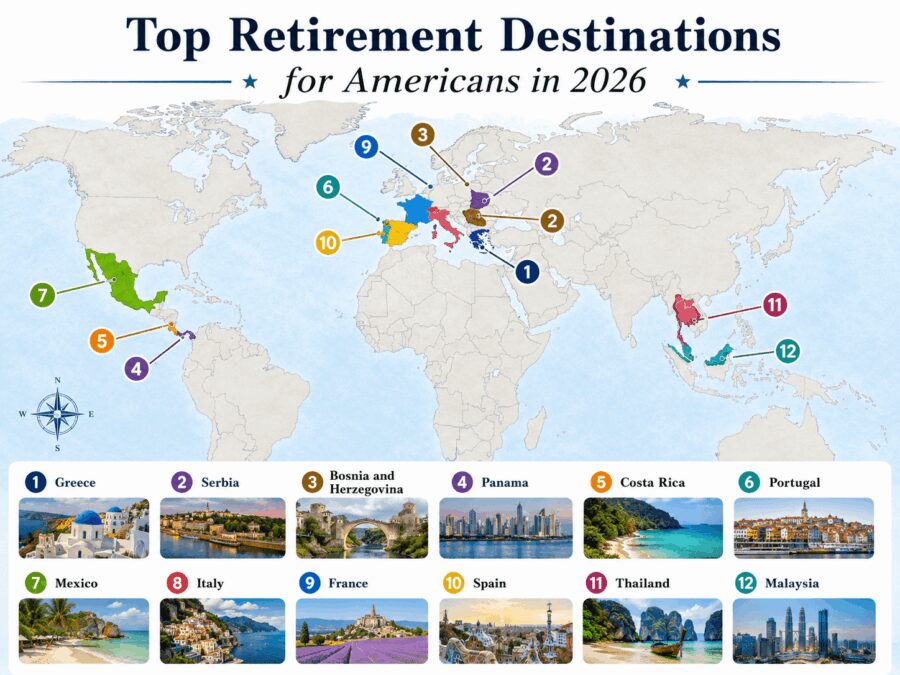
For 2026, International Living builds its global ranking around Greece, Panama, Costa Rica, Portugal, Mexico, Italy, France, Spain, Thailand, and Malaysia. Live and Invest Overseas puts Boquete, Panama, at the top. Global Citizen Solutions leads with Spain, Portugal, and Costa Rica.
My own ranking borrows the IL top picks but adds two countries that almost never appear on glossy U.S. lists – Serbia and Bosnia and Herzegovina – and that I think are the most underrated retirement opportunities in Europe for 2026. I’ll explain why when we get to them. Here’s the full list:
1. Greece – the quiet #1 nobody saw coming
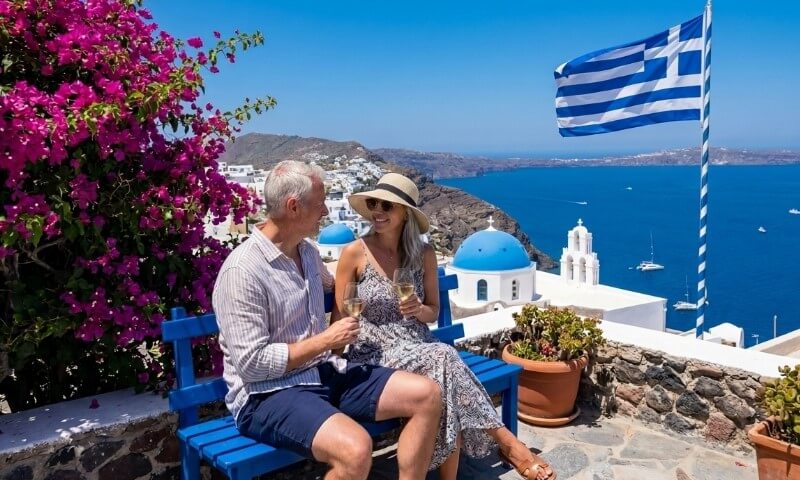
Greece climbed from #7 to #1 in International Living’s 2026 index, and at first that looks surprising. Then you actually spend a winter on Corfu or in a stone village outside Nafplio, and you understand.
I’ve been to Athens three times and the islands twice, and the pattern that emerges is unusual for Europe: you can have sea and space and real social texture – not just one or two of those – on a Social Security budget.
What Life Actually Costs
Leena Horner, IL’s Corfu correspondent, reports that she and her husband live on €2,900–€3,000/month all-in, in a paid-off three-bedroom home with sea views. Renting that same house would cost €800–€1,000/month.
On the mainland, livable two-bedroom rentals start as low as €300–€600. Her Canadian friend Cindy bought a one-bedroom townhouse inland in Crete for €36,000 – yes, you read that right.
When I was scouting on Crete a couple of years back, I rented a small village house with a courtyard and an orange tree for €350/month, off-season. The grocery bill for two adults who like to cook came in under €40 a week. A traditional dinner for two at the local taverna – house wine, salad, grilled fish, dessert – came to €28.
Healthcare
A retinal detachment? Treated in an hour. Laser surgery for 23 retinal spots plus three follow-up visits: €250 total. A couple’s private catastrophic coverage with a €2,500 deductible: €250/month.
Visas
@kristin_stampini Would you retire in Greece if you could? #greecetiktok #greece🇬🇷 #naxos #santorini #greecetravel
Two practical paths for Americans:
- Financially Independent Person (FIP) permit – for retirees with passive income.
- Golden Visa – requires a €250,000 (in some zones €400,000+) real estate investment but unlocks Schengen-wide travel.
- The Digital Nomad Visa works for those still doing remote work.
Honest Downsides – What the Forums Consistently Flag
- Greek bureaucracy is legendary. A residence permit can stretch from three months to over a year, and everything requires an apostille, a translation, and a stamp on top of a stamp. Long-time expats on Greek-specific forums consistently say the same thing: hire a lawyer the day you arrive, before you try anything yourself.
- Many islands are seasonal. The forums are full of arrivals who romanticized the off-season and then realized their dream village shuts down completely from November to April. Try wintering before buying.
- Inflation has hit prime tourist areas hard. A €250,000 stone house from 2022 now lists at €400,000 in many Ionian areas.
- Driving in the islands is its own challenge. Mountain roads, no shoulders, summer tourists who don’t know what the lines mean.
For LGBTQ+ Retirees
Greece legalized same-sex civil unions in 2015 and same-sex marriage with adoption rights in February 2024 – the first majority-Orthodox country to do so. Athens, Thessaloniki, and Mykonos have established gay scenes. Rural villages can be quietly tolerant rather than actively welcoming; pick your microclimate as carefully as you pick your weather.
2. Serbia – the European secret American retirees keep missing
Serbia almost never appears on U.S. retirement lists, and that’s exactly why I’m putting it second. After multiple stays in Belgrade and Novi Sad and many trips through the rest of the country, I’m convinced Serbia is the most underpriced quality-of-life destination in Europe for older Americans in 2026.
Walk down Knez Mihailova Street in old Belgrade on a Saturday evening and you’ll see what I mean. Three generations out together. People sitting in cafés for two hours over one coffee. No one rushing. A jazz trio playing under a streetlamp.
A friend of mine – a retired teacher from Chicago who’s now lived part-time in Belgrade for almost a decade – calls it “the Europe my grandparents told me about, the one with sidewalk culture and time.”
The other thing she always says: people talk to you. Strangers will help you find an address. Waiters will tell you their grandfather’s village. There’s a famous Serbian word, merak – the pleasure you take in small simple things – and it’s a real lived thing here, not a marketing slogan.
What Life Actually Costs
Serbia is genuinely affordable. According to MyExpatTaxes, a one-bedroom apartment in central Belgrade runs €450–€800/month; outside the center or in smaller cities, €250–€500. Immigrant Invest’s 2026 analysis puts a single person’s non-rent monthly cost at around €570 – versus €3,000 in Italy and €2,500 in Spain.
In real terms: a comfortable couple’s monthly budget in Belgrade, including a nice central rental, is about $1,500–$1,800. Move to Novi Sad, Niš, or Subotica and that drops by 20–30%.
The blogger at Vagabond Buddha, who reported from Belgrade in mid-2024 with detailed local pricing, found furnished studio apartments long-term for around $440/month and a nicely furnished one-bedroom for sale in Belgrade for about $160,000. In a rural village outside Niš or in southern Serbia, you can buy a livable stone or brick house for under $50,000.
Healthcare
Serbia’s healthcare system ranks 59th out of 195 countries on the Global Health Index. The public system is genuinely good (legal residents can register and use it for very low fees), and the private system in Belgrade and Novi Sad is excellent.
A typical specialist visit at a private clinic in Belgrade costs €30–€50. A routine MRI is €100–€150 – about a tenth of U.S. prices. Belgrade has internationally accredited private hospitals like Bel Medic and Acibadem with English-speaking specialists.
Visa Pathway for Americans
No dedicated retirement visa, but the path is workable. Americans get 90 days visa-free in any 180-day period for scouting. For longer stays, the standard route, per Welcome to Serbia and Injac Attorneys, is:
- Temporary residence permit based on owning real estate, opening a company, or family reunification. Application fees: €154–€230. Approval typically 30–60 days. There’s no minimum property purchase price – Serbia is one of the few European countries where buying a modest apartment can directly qualify you for residency.
- After three years of continuous temporary residence, you can apply for permanent residence. After six total years, you’re eligible for naturalization.
- Within 24 hours of arrival, you must register your address with the local police and get a bela karta (white card). Most landlords help; in hotels it’s automatic.
Why I’m So High on It
- Strategic location. Belgrade Nikola Tesla airport has direct flights to dozens of European capitals, the Middle East, and increasing direct service from the U.S. – and from Belgrade you’re within a 2–4 hour flight of practically every retirement destination on this entire list. Vienna by train in 5–6 hours. Budapest in 7. Greece by car in a day. This is the only country on this list where you can drive to six others in a single weekend.
- The food is a love letter. I have to mention this because it’s not optional in Serbia, it’s a fact of daily life. Forget the cheap ćevapi stereotype – Serbian cuisine is kajmak on warm bread, slow-roasted lamb in clay, sour cherry strudel, real ajvar roasted from peppers your neighbor grew, sarma (cabbage rolls) at every Sunday lunch, and ten kinds of rakija (fruit brandy) that your retired neighbor distilled himself. The famous Sunday Belgrade kafana lunch – three hours, live music, three courses, several toasts – is alive and well.
- History is right under your feet. The Belgrade fortress, Kalemegdan, has been continuously settled for 7,000 years. Roman emperors were born here (Constantine the Great in Niš). The Ottoman, Byzantine, and Austro-Hungarian layers are still visible in any small town. Slava – the family patron saint celebration that even nominally secular Serbs keep – is on the UNESCO Intangible Heritage list. Within a month of having any Serbian friends, you’ll be invited to one.
- The people. This is the part you can’t price. Serbs will go out of their way to feed you, take you somewhere, introduce you to someone who can help. Older Serbs in particular have a kind of warmth toward Americans that has actually survived a complicated political history, and they’ll tell you about both sides over a long coffee. A neighbor will knock and bring soup when you’re sick. You’ll be invited to weddings.
Where Retirees Gravitate
- Belgrade – for those who want urban life, the river (the Sava and Danube meet here), the splavovi (floating river clubs and restaurants), and direct flights everywhere. Best neighborhoods: Vračar, Dorćol, Senjak.
- Novi Sad – second city, calmer, beautiful Austro-Hungarian architecture, Petrovaradin Fortress, the Danube, and an active cultural calendar (EXIT Festival every July).
- Subotica – close to the Hungarian border, the most Central European of Serbian cities, gorgeous Art Nouveau architecture.
- Niš – third city, southern warmth, lower prices, Roman ruins, easier access to mountain resorts like Kopaonik and the nature parks of southern Serbia.
- Zlatibor or Tara mountains – for those who want a clean-air mountain home with skiing and hiking.
Honest Downsides
- Air pollution in winter in Belgrade. This is real. The city sits in a basin and many people still heat with wood and coal. December–February can be genuinely bad on bad days. Higher-floor apartments and air purifiers help; expats consistently say to avoid ground-floor units. Novi Sad and the south are noticeably cleaner.
- Continental climate. Hot, humid summers (90s°F regularly in July–August) and cold winters with snow. If you want eternal spring, Serbia isn’t it.
- The U.S.–Serbia tax treaty does not exist. This complicates things compared to Portugal or Spain. You can still avoid double taxation through foreign tax credits, but absolutely use a U.S. expat CPA familiar with Serbia, and consider banks like Erste or OTP that handle FATCA reporting cleanly.
- Bureaucracy is real, though manageable with a lawyer. Documents in Cyrillic, multiple offices for different stamps. Hire someone the first time.
- Language matters more than in Portugal or Spain. English is widely spoken by younger people and in Belgrade hospitality, but daily life – the post office, the bank in a small town, your neighbors – runs in Serbian. The Cyrillic alphabet is friendly once you learn it (a couple of weekends’ work), and the Latin alphabet is used interchangeably in most Western-oriented places.
- Cars and parking. Belgrade driving is its own sport. Most expats I know in Belgrade simply don’t own a car – they use Taxify (Bolt), public transit, and the occasional rental.
For LGBTQ+ Retirees
This is where I have to be most candid, because Serbia is complicated. The constitution bans same-sex marriage; no civil partnership law exists yet despite years of advocacy.
Same-sex sexual activity was decriminalized in 1994, and a comprehensive 2009 anti-discrimination law explicitly protects sexual orientation and gender identity. ILGA-Europe ranked Serbia 27th of 49 European countries for LGBTQ rights in 2024.
Belgrade Pride has been held annually since 2014, often with senior politicians attending. Serbia’s prime minister from 2017 to 2024, Ana Brnabić, is openly lesbian – the first such head of government in the world whose partner gave birth in office.
That said: most Serbs remain socially conservative on this. Public displays of affection are uncommon for everyone (straight or gay), and many older Serbs hold traditional views. The community is most visible and supported in Belgrade (especially around the Dorćol neighborhood) and Novi Sad. A draft law on same-sex partnerships has been ready since 2022 but blocked by the president.
For LGBTQ+ retirees, my honest read: Belgrade is comfortable on a daily, social level; legal protections lag well behind Western Europe. Couples in long-standing relationships generally live quietly and well in Belgrade and Novi Sad. If you need full legal marriage equality, Greece, Portugal, or Spain remain better bets – but if you can live with civil-union limbo and want extraordinary value, Belgrade works.
3. Bosnia and Herzegovina – The Most Beautiful Country No American Is Talking About
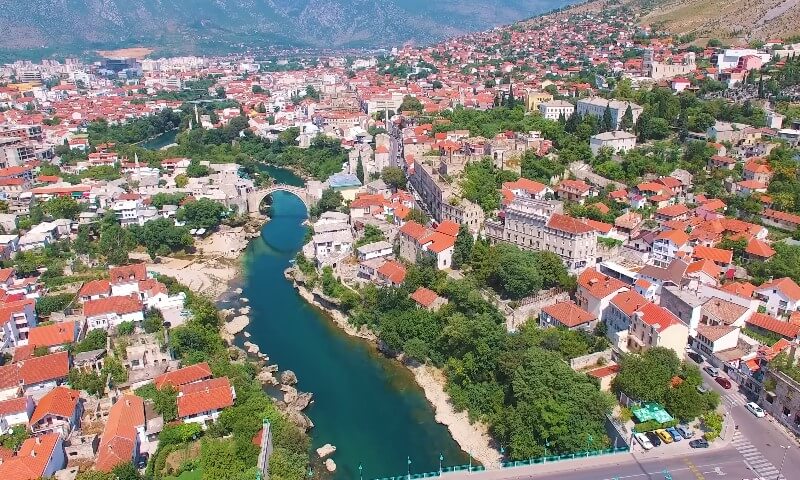
If Serbia is the underpriced secret of European retirement, Bosnia and Herzegovina is the secret-within-the-secret. I’ll say this plainly: Sarajevo is one of the three or four most distinctive cities I’ve ever spent time in.
There is nowhere else on earth quite like it. A 15-minute walk on Ferhadija Street takes you from a fully functional Ottoman bazaar – Baščaršija – through a perfectly preserved Austro-Hungarian downtown, past a mosque, a Catholic cathedral, an Orthodox church, and a synagogue, all within sight of each other. They call Sarajevo the “European Jerusalem” for a reason.
I have a friend in Sarajevo, a retired American journalist who first came in the 1990s and never left. We had a long coffee at a place in the Bezistan covered market last spring and he summed up his fifteen years there in one line: “The pace here is human. People still look at each other when they speak. And on $2,000 a month I live better than I ever did in D.C.”
What Life Actually Costs
Bosnia is, by every credible metric, one of the most affordable countries in Europe. Numbeo and Expatistan consistently place it cheaper than ~80% of countries worldwide. Per VisaBoards 2026, a comfortable monthly income for one person is $700–$1,000; rent runs $200–$600 depending on city. Expatistan’s Sarajevo data puts a single person’s total monthly costs around 1,622 BAM (~$910) and a family of four at about 4,059 BAM (~$2,275).
The Vagabond Buddha deep-dive – done with feet on the ground – found Airbnb-style apartments in Sarajevo for $31/night with weekly discounts (much cheaper long-term), and $45/night in Mostar. For a couple, $1,800–$2,200/month in Sarajevo gets you a great central apartment and a genuinely good life. In Mostar, Banja Luka, Tuzla, or Trebinje, you can drop another 20–30%.
Healthcare
Variable. Bosnia’s public system is uneven, and as a foreign retiree you’ll generally rely on private. The good news: private care is cheap. A doctor’s visit at a private clinic runs 10–25 euros. Most antibiotics are under 5 euros. Specialty care and dentistry in Sarajevo are good and affordable; some older expats fly to Belgrade or Zagreb for complex procedures.
Visa Pathway for Americans
Americans get 90 days visa-free in any 180-day period. There’s no dedicated retirement visa. The standard residence pathway, per 360 Nations and Expat Arrivals, is to establish a basis for temporary residence – typically through property ownership, family ties, business formation, or studies.
The bureaucracy is heavier than Serbia’s, and an immigration lawyer is essential for the first round. Many Americans I know operate on a Schengen-and-Bosnia rotation: 90 days in BiH, 90 days elsewhere, repeat – perfectly legal and surprisingly comfortable.
Why It’s on This List
- The country is gorgeous. Bosnia has the Dinaric Alps for skiing and hiking, the Neretva River cutting through Mostar with its iconic Stari Most (the rebuilt 16th-century Ottoman bridge), small medieval towns like Jajce and Počitelj, the rafting on the Vrbas and Tara, and even a tiny stretch of Adriatic coast at Neum. Sarajevo hosted the 1984 Winter Olympics; the mountain venues are still working ski resorts 30 minutes from the city.
- The food is extraordinary and Ottoman-influenced in a way nothing else on this list is. Ćevapi in Sarajevo or Banja Luka are a national religion. Bosanski lonac (slow-cooked Bosnian pot stew) is one of the great peasant dishes of Europe. Burek (filo pastry with meat, cheese, or spinach) is breakfast and dinner. Bosanska kafa – Bosnian coffee – is served unfiltered in a tiny copper džezva, with a sugar cube and a piece of Turkish delight, and the ritual of drinking it slowly is built into the social fabric. Eating well for an entire month costs €150–€200 if you cook at home, less if you shop at the open markets like Markale in Sarajevo or the green markets in Banja Luka.
- History, in the best and the hardest sense. This is the country where the First World War began (Franz Ferdinand was assassinated in Sarajevo in 1914) and where a tragic siege took place in the 1990s. The Tunnel of Hope museum, the War Childhood Museum, the Srebrenica Memorial – these are sober places, but they are part of why Bosnia is the most morally serious country in Europe right now. People remember. They’re also among the kindest people you’ll meet, with a particular respect for older guests.
- Proximity is exceptional. Sarajevo to Dubrovnik (Croatian coast) is four hours by car. To Belgrade, five. To Mostar and the Adriatic, three. To Vienna, an easy day’s drive or short flight. To Istanbul, three hours by plane.
- Cost is the lowest in Europe on this list. A coffee on the most beautiful pedestrian street of any European capital you’ve ever seen – Ferhadija – is 1 KM (about 55 cents).
Where Retirees Should Look
View this post on Instagram
- Sarajevo – the obvious starting point. Best neighborhoods: Centar (around the Cathedral), Mejtaš (quieter, hilly, lovely views), Marijin Dvor (more modern). Avoid the eastern suburbs in winter for air quality reasons.
- Mostar – for a Mediterranean climate, mild winters, dramatic landscape, and a slower pace. Smaller, more touristic in summer, very affordable.
- Banja Luka – capital of the Republika Srpska entity; gentler climate than Sarajevo, lower prices, easier driving.
- Trebinje – southern Herzegovina near the Croatian border; Mediterranean vibe, vineyards, mild winters.
- Tuzla – northeastern industrial city with unexpected charm, lakes, and very low prices.
Honest Downsides – And What Forum-Tested Expats Will Tell You:
- Severe winter air pollution in Sarajevo. This is the single biggest health concern I’d flag. The city sits in a valley that traps smog from December to February; on bad days the air quality index hits dangerous levels. People with respiratory conditions should think hard about Sarajevo winters and consider Mostar or Trebinje for the cold months. Many expats split: Sarajevo April–November, coast or Mostar December–March.
- Bureaucracy is heavier than Serbia’s – the country is governed by an unusual three-presidency, two-entity system left over from the 1995 Dayton Accords. Things take time. Hire a lawyer.
- Landmines. The U.S. State Department’s travel advisory for BiH (Level 2 as of writing) notes that suspected hazardous areas from the war are marked but still exist in rural zones. Don’t hike off marked trails. Stick to known paths; locals will tell you which areas to avoid.
- The economy is fragile. Salaries are low (it’s a feature for retirees, but a problem for the country), and political dysfunction periodically rattles confidence. Don’t invest large sums you couldn’t afford to lose.
- English drops off outside the cities. Sarajevo, Mostar, and Banja Luka have a lot of English. Smaller towns and rural areas don’t. Learn some Bosnian/Croatian/Serbian – the three are mutually intelligible – and you’ll be fine.
- Banking and FATCA. Some Bosnian banks are skittish about American clients due to FATCA reporting requirements. Plan to do most of your banking through a U.S. account with a card that has low foreign-transaction fees, and use a local account only for utilities and rent.
For LGBTQ+ Рetirees
This is the most conservative country on the entire list, and I won’t pretend otherwise. Same-sex sexual activity is legal (since 1996 in the Federation, 1998 in Republika Srpska). A 2016 anti-discrimination law explicitly covers sexual orientation, gender identity, and sex characteristics.
The Sarajevo Pride March has been held annually since 2019. In 2025, the federal entity opened a working group on a same-sex partnership law, a positive sign, but as ILGA-Europe’s 2026 review notes, no draft has emerged.
Meanwhile, in March 2025 the Republika Srpska entity eliminated gender identity as a protected category in its criminal code. There were violent incidents around the 2025 Pride.
In other words: Bosnia is moving in two directions at once depending on the entity. Sarajevo specifically has a quietly resilient LGBTQ+ community and a 2025 Pride march of nearly a thousand people.
But it is not a destination I’d recommend to LGBTQ+ Americans for whom legal recognition, partnership rights, or full social openness are non-negotiable. For LGBTQ+ retirees who can be discreet and want the lifestyle, Sarajevo Centar works – but more inclusive Greek, Portuguese, Spanish, or Mexican destinations are easier choices.
4. Panama – Where the Dollar Is the Dollar
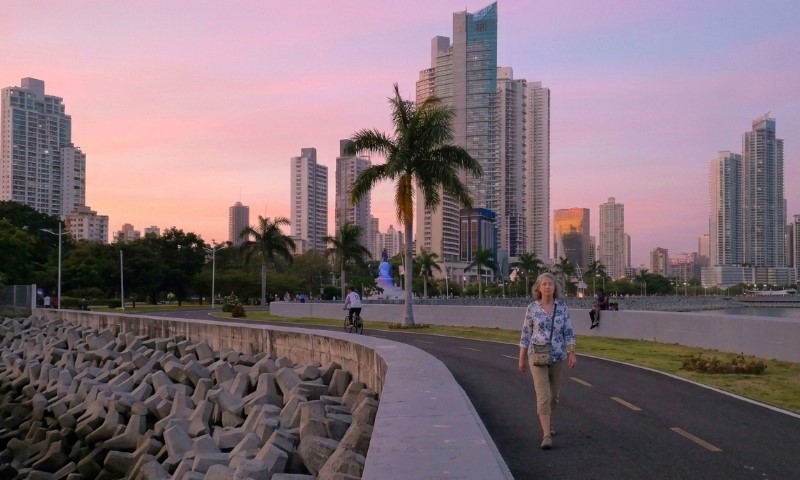
If your nightmare is currency volatility, Panama is your antidote. The country uses the U.S. dollar (it calls them “balboas,” same currency). Your Social Security check arrives in your American bank account, and you spend it directly.
I spent about a month between Panama City and Boquete a few years ago, and the thing that stayed with me was how frictionless it feels for Americans – like a Latin American country built deliberately for U.S. retirees.
What Life Actually Costs
Jess Ramesch, IL’s Coronado correspondent, says she lives a “jet-setter” single life on $2,900/month including a mortgage in a luxury beach building. A more grounded social lifestyle is possible on $2,400. She bought her own 1,000-square-foot golf-course condo for $155,000.
The Pensionado Advantage
No country anywhere matches Panama’s formal retiree discount program. Once you’re in:
- 25% off utility bills
- 50% off movie and concert tickets
- 20% off medical consultations
- 25% off Copa Airlines flights
- 15% off hospital bills (no insurance)
- 50% off hotel stays Monday–Thursday
- 30%+ off public transportation
The basic requirement is a verifiable pension of $1,000/month for a single person, $1,250 if pooling spouse income. Wait times can be as short as three months. As Greenback Tax Services notes, Panama has welcomed retirees consistently since the 1940s – there’s no political track record of pulling the rug from under them.
Healthcare: Panama City has Johns Hopkins-affiliated hospitals serving medical tourists from across the hemisphere. Procedures cost 50–70% less than U.S. equivalents. Many specialists trained in the U.S. and speak fluent English.
Where Retirees Gravitate
- Boquete – cool mountain town, jazz festival, light-jacket climate, growing coffee scene. Live and Invest Overseas’ #1 city worldwide for 2026. The thing every expat there told me: bring a light sweater. People always underestimate that.
- Coronado – beach-and-golf condo culture, big U.S./Canadian community, 90 minutes to the capital.
- Panama City – for those who want a real metropolitan life and a futuristic skyline.
- Bocas del Toro – Caribbean, bohemian, slower and quirkier.
Honest Downsides – Including What Long-Time Boquete Expats Will Tell You When You Ask
- The wet season (May–November) is wet. Boquete sees mist constantly; the Caribbean coast sees serious rain.
- Bureaucracy isn’t U.S.-efficient. Hire a Panamanian abogado.
- Outside the expat hubs, English drops off fast.
- Panama City’s humidity is brutal year-round. The mountains aren’t.
- A common forum complaint: imported American goods cost more than at home. Embrace local products or expect a premium.
For LGBTQ+ retirees: Same-sex marriage is not recognized in Panama, though a 2023 Supreme Court ruling reaffirmed that position despite legal challenges.
Same-sex relationships are legal and Panama City has a small but visible gay scene. Many LGBTQ+ couples retire in Panama City or Boquete and report no daily problems; few claim it’s an inclusive paradise. If marriage recognition is non-negotiable, look at Costa Rica or Uruguay first.
5. Costa Rica – Pura Vida Is More Than a T-Shirt
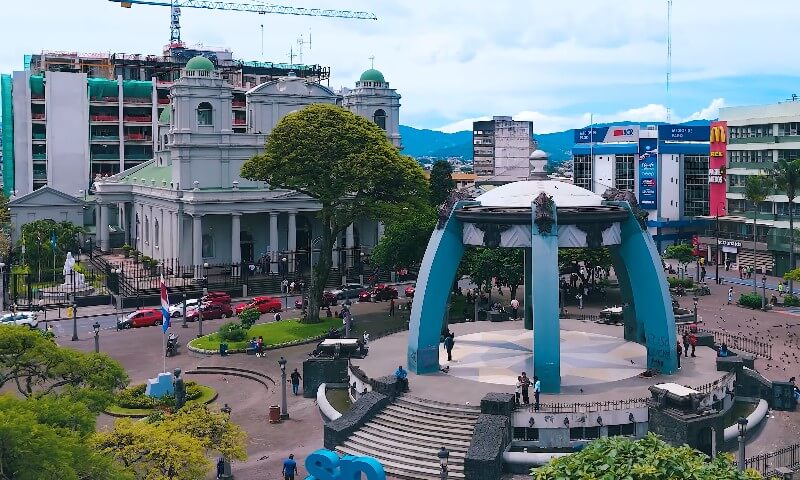
Costa Rica has been on every retirement list for two decades, and its consistency is the point. Estimates run as high as 120,000 Americans already live there, mostly retirees, drawn by political stability (no military since 1948), a reliable democracy, lush biodiversity, and the country’s genuine commitment to environmental quality.
I’ve spent time on the Pacific coast and in the Central Valley. The thing that surprised me – and what every retiree I spoke to mentioned – is how much the little inconveniences end up becoming features. The roads are bumpy. The plumber arrives when he arrives. But the air is clean, the food is fresh, the rains arrive on schedule, and your stress levels start to drop by week three. It’s an actual measurable thing.
What Life Actually Costs
IL’s Bekah Bottone writes that she’s met single retirees living comfortably on $1,500/month and couples spending over $4,000. A Sámara-based couple’s real numbers: $400 groceries, $80 healthcare, $50 property tax, $275 electricity (hot beaches), $80 internet – $1,593 total monthly in a paid-off home.
In Guanacaste, where Bekah lives, three-bedroom homes near the beach run around $348,000; two-bedroom condos at $280,000. Inland and on the Caribbean coast it’s cheaper. According to Realties Abroad, overall consumer prices are about 40% lower than the U.S., and you can rent a one-bedroom in the Central Valley for $300–$700/month.
Healthcare
The public Caja system charges expats roughly $80–$100/month and covers everything (with longer waits for non-emergencies). Private care is fast and affordable – Bekah’s MediSmart discount program got her a mammogram and a dermatologist visit for about $50 each. A dental cleaning runs $70.
Visas
- Pensionado – $1,000/month verifiable pension
- Rentista – $60,000 in a Costa Rican bank or proof of $2,500/month for two years
- Inversionista – $150,000 investment in approved sectors
- Americans get 180 days visa-free for scouting trips.
Residency takes 6–18 months. Hire a Costa Rican attorney.
Honest Downsides – Including What Long-Time Forum Regulars Admit Out Loud
- “Cheap Costa Rica” disappeared a decade ago. Prime Pacific coast real estate now rivals U.S. beach towns.
- Rainy season is six months long on most coasts.
- Roads are rough outside main routes; a 4WD is recommended.
- Pura vida time has a flip side that the longest-timers will admit: your appliance repairman will not show up today. Charming on vacation; less charming when you’re waiting for the plumber and the rainy season has shut your road. Caja residency requires patience.
- Wildlife – beautiful, occasionally biting or stinging. You will share your kitchen with geckos.
For LGBTQ+ retirees: Costa Rica is the standout in Central America. Same-sex marriage has been legal since May 2020 by Supreme Court order. Anti-discrimination protections exist. The country was the first in Central America to recognize marriage equality and has an active LGBTQ+ community in San José, Manuel Antonio, and Tamarindo. For LGBTQ+ Americans who want Latin-American warmth without giving up legal protections, Costa Rica is the most natural soft landing.
6. Portugal – Europe’s Sweet Spot, Getting More Crowded
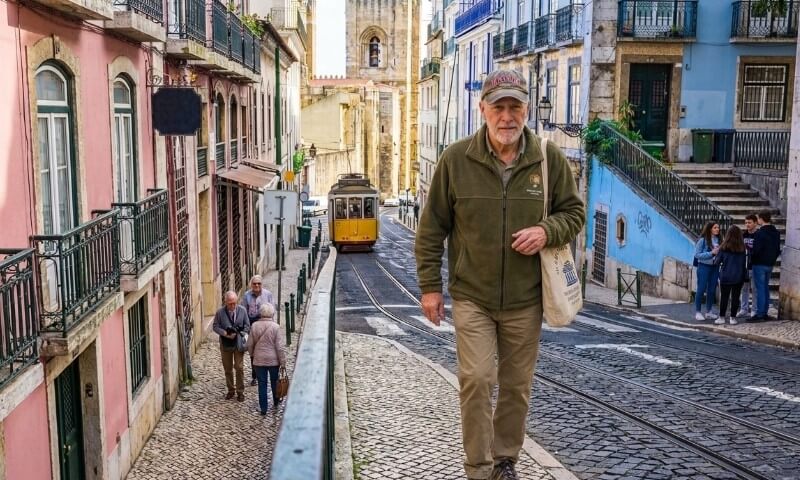
Portugal occupied the “best European retirement” throne for most of the last decade. In 2026 it slipped to #4 on the IL list – not because anything got worse, but because Greece, Italy, and France caught up while Portugal got more expensive.
It’s still spectacular for retirees. I’ve scouted Lisbon, Porto, and the Algarve in three different years now and have friends in both Lisbon and a smaller town in central Portugal. The Portugal you read about in 2018 – sleepy, cheap, almost embarrassingly affordable – is gone.
The Portugal you find today is still wonderful but more expensive, with longer queues and a noticeably different feel in the central neighborhoods of Lisbon, where short-term rentals have squeezed long-term ones hard. Move 30 minutes inland and you’re back in the older, gentler Portugal.
What Life Actually Costs
Kimberly Anne for IL reports that a one-bedroom apartment outside Lisbon now runs about €1,500/month – double what it cost in 2020. Porto rentals are comparable. But move to a small town in central or northern Portugal and rents drop to €600–€1,000 for a comfortable two-bedroom. Groceries run €400–€500/month for a couple. Numbeo and Expatistan data place Portugal’s cost of living about 37% below the U.S. average. A modest retiree couple can live well on €1,800–€2,500/month.
Healthcare
Portugal has a universal cradle-to-grave public system (SNS) for legal residents and a robust private market. A solid private plan with English-speaking support runs €100–€150/month for someone in their early 60s.
Visas
- D7 (Passive Income) Visa – the retiree favorite. Requires roughly $1,000/month of passive income and €10,500 in a Portuguese savings account.
- D8 Digital Nomad Visa – for remote earners; requires monthly income of around €3,500.
- The Golden Visa pulled real estate from its qualifying assets in late 2023; investment-based residency is now mostly via investment funds.
For Americans applying through the D7 route, certified copies, bank records, background checks, and Portuguese translation services may become part of the paperwork stack before an appointment is even scheduled.
Honest Downsides – The Unvarnished Forum Consensus
The team at Portugalist – the most useful unfiltered resource on Portugal I know – lays out what new arrivals consistently underestimate, and I hear the same things from my Portuguese-American friends.
The themes: AIMA appointments are nearly impossible to get, your apartment will be cold in winter, making Portuguese friends takes years rather than months, and the customer service culture is genuinely slower than what Americans expect. You will pay more in taxes than you anticipate. She Hit Refresh elaborates that you cannot call your bank at 8 p.m. on a Sunday – services run on European hours, not American ones.
The cold-house issue keeps coming up. Portuguese homes weren’t built to be heated. Coastal winters hit the 40s°F, and without central heating or proper insulation, indoor life can be genuinely uncomfortable from December through March. Plan to budget for electric heaters and decent windows, or pick the Algarve where outdoor winters are warmer.
The AIMA (immigration service) backlog is the other recurring lament. Getting a first-time or renewal appointment can be impossible by phone, leaving people in legal limbo without being able to leave the country. Hire an immigration attorney. Don’t fight the system without one.
For LGBTQ+ Retirees
Portugal is one of the friendliest countries in the world for LGBTQ+ Americans. Same-sex marriage has been legal since 2010 and adoption rights since 2016. Lisbon’s Pride is one of Europe’s big-ticket events. The Washington Blade and Kiplinger LGBT retirement guide both rank Portugal among the global top tier – and many gay couples from the U.S. cite it as their first-choice Plan B.
7. Mexico – Closer Than You Think, Deeper Than You Know
If Costa Rica is the gentle Latin American option and Panama is the pragmatic one, Mexico is the one with everything. As Greenback Tax Services notes, there are now over one million American expats there – easily the biggest American expat community in the world. The cliché holds: you can retire abroad without really leaving home.
I’ve spent time in Mexico City, San Miguel de Allende, Mérida, and Puerto Vallarta over the years, and the consistent observation across all of them is how deep the culture is. Mexico isn’t a single place. Oaxaca and Yucatán are practically different countries. The Mexico City of 2026 is one of the great world capitals – food, museums, parks, jacaranda trees in March that look like fireworks frozen mid-air.
What Life Actually Costs
IL’s Bel Woodhouse on Cozumel reports living comfortably on $1,200/month and like royalty on $3,000. Her one-bedroom apartment near the water rents for $500. A friend in Tulum pays $106/year in property taxes on a 2BR/3BA townhouse – the same property would have cost him $10,000 in U.S. taxes annually.
The Realties Abroad summary: Mexico is considerably more affordable than the U.S. One-bedroom rentals in popular expat areas like Puerto Vallarta or Mérida run $400–$800/month; median home prices in many areas stay below $150,000.
Where Retirees Gravitate
- Lake Chapala / Ajijic – over 20,000 Americans and Canadians. The largest concentrated expat community in the world, per Greenback. Spring-like climate year-round. You can live almost entirely in English here, which is a feature for some and a bug for others.
- San Miguel de Allende – UNESCO Heritage colonial city, deep arts scene, 7,200 expats among 72,000 residents. The most “authentic Mexico with comfort” option, per Casa Grande San Miguel. Higher cost than Lake Chapala.
- Puerto Vallarta – explicit LGBTQ+ haven, beach city, great healthcare access. Live and Invest puts the realistic monthly retiree budget here around $3,305.
- Mérida (Yucatán) – colonial city, low cost, hot but manageable, a growing favorite among American couples like Expatsi’s founders.
- Mexico City – cosmopolitan, four-seasons-ish climate, world-class food.
Healthcare
Most retiree expats skip the public system in favor of Mexico’s strong private sector. Annual private insurance runs $1,500–$4,000 depending on age and coverage.
Bel Woodhouse describes a friend’s ER visit ending with a $500 bill after five hours of treatment. Prescription drugs are routinely a fraction of U.S. prices – one friend’s insulin dropped from $300 to $45 a month.
Visas
- Temporary Resident Visa – proof of around $4,300/month income or $73,000 in savings (numbers tied to Mexico City minimum wage and shift each year)
- Permanent Resident Visa – higher thresholds (~$6,000/month or $300,000 in assets), but no work restrictions
- 180-day visa-free entry for Americans to scout
The INAPAM card for residents 60+ unlocks 50–100% discounts on transport, museums, some pharmacies, and select services.
Honest Downsides – The Part the Brochures Skip
David Eidell, an American who’s lived in Mexico for years, wrote what most retirement guides won’t: roughly half of pink-cloud retirees become disillusioned and leave, often at financial loss.
His core caution is simple. Don’t move just because it’s cheap. The gringo enclaves like Lake Chapala and San Miguel are no longer bargain priced. The truly cheap parts of Mexico require Spanish, cultural flexibility, and tolerance for amenities that simply differ from American expectations.
The honest forum consensus on Mexico across many years:
- Safety varies sharply by area and time. Lake Chapala and the Yucatán are very safe; some cartel-contested zones aren’t.
- Driving culture is its own continent.
- Bureaucratic glitches happen at INAPAM offices, INM, and SAT (tax authority). Patience is the price of entry.
- Imported goods (specialty groceries, American electronics, certain medications) can cost more than at home.
For LGBTQ+ Retirees
Same-sex marriage became legal in all 32 Mexican states by late 2022 after years of state-by-state progress. Federal anti-discrimination laws exist.
Puerto Vallarta is the largest LGBTQ+-friendly expat magnet in Latin America, with the Zona Romántica forming the heart of gay life, described by GayRealEstate.com as one of the most welcoming retirement neighborhoods in the Americas.
Mexico City’s Zona Rosa is a longstanding gay district. Rural and conservative regions are still… rural and conservative. Pick your city carefully.
8. Italy – La Dolce Vita, With Paperwork
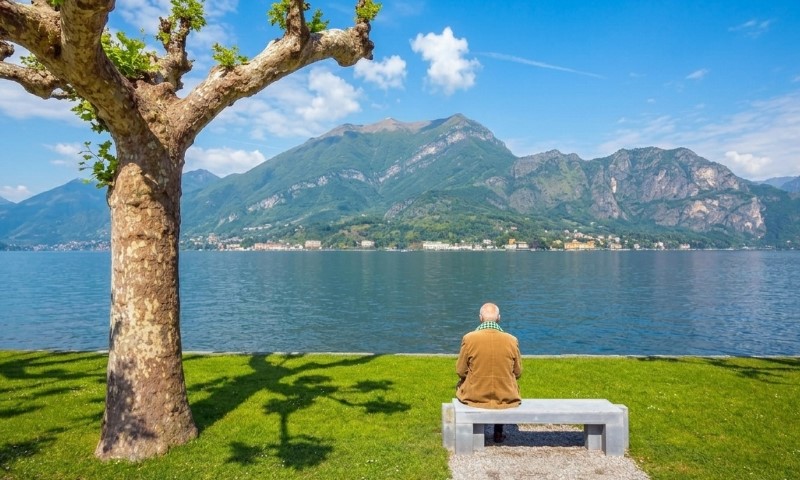
Italy is a country you don’t retire to for the money. You retire to it because waking up in Palermo, Lecce, or a hill town in Umbria to the smell of espresso and a thousand-year-old church bell is a different kind of return on investment. I spent a long stretch in Bologna once and never quite got over it.
What Life Actually Costs
Cindy Sheahan, IL’s Palermo correspondent, pays $925 (€800)/month for a 1,200-square-foot one-bedroom in Politeama with three balconies and 14-foot ceilings. Small Umbrian-village apartments rent for as little as $400/month. She’s seen 600-square-foot apartments for sale in Umbria for $35,000.
Couple’s realistic numbers in southern Italy:
- Mobile plan: $11/month
- Home internet: $25/month
- Public bus in Palermo: $1.60 per ride
- Manicure: $20
- Dinner for two in a trattoria with pasta, dessert, wine: $50
Healthcare
Italy’s Servizio Sanitario Nazionale (SSN) ranks among the world’s best. Legal residents can buy in for about $2,300/year, after which most care is free or near-free.
In-person doctor visits are free; even private visits routinely cost $40. Cindy broke her foot in Italy and called the care top-notch and inexpensive.
Northern hospitals are generally better-resourced than southern ones – keep this in mind if you choose Sicily or Calabria.
Visa: the Elective Residency Visa (ERV)
It requires:
- $31,000/year passive income (single) or $38,000 (couple)
- Lease or property ownership
- Private health insurance
- No intention to work in Italy
Renewable annually. After five years of legal residence, you can apply for permanent residency.
Honest Downsides – The Part Everyone Learns the Hard Way
Italian red tape isn’t a meme. It’s a documented fact of life. Codice fiscale (tax ID), permesso di soggiorno (residence permit), carta di identità – each requires multiple visits to multiple offices that may or may not coordinate. The phrase you’ll hear repeated by every long-term expat: hire a lawyer or commercialista. You will need one.
Other things the brochures won’t tell you:
- The south is much cheaper but has weaker infrastructure.
- “Slow Italy” is real and applies to everything from internet installation to bank transfers.
- Inheritance and property laws can entangle non-EU owners; tax planning is essential.
- Roads in rural areas can be challenging; driving culture is, charitably, expressive.
For LGBTQ+ Retirees
Italy is more complicated than its neighbors. Same-sex civil unions have been legal since 2016, but same-sex marriage and joint adoption are not yet recognized. The Meloni government has tightened the recognition of children of same-sex couples.
Day to day, urban Italy – Rome, Milan, Bologna, Florence – is genuinely welcoming and home to robust LGBTQ+ communities. Rural and southern regions trend more conservative. If you’re a married American same-sex couple, plan for the legal grey zone with documents prepared.
9. France – Dignity, Healthcare, and Structure

France used to feel like a luxury retirement choice. The math has changed: outside Paris and the Côte d’Azur, France is now competitive with Portugal and Spain, and you get a healthcare system that is consistently ranked among the world’s best, plus the highest infrastructure scores in Europe.
I have an older cousin in the U.S. who retired to a small town in the Dordogne five years ago, and her standard summary every time we visit: “I should have moved twenty years sooner.”
What Life Actually Costs
IL’s Tuula Rampont reports a couple can live well on €2,121/month ($2,459) in a “budget” region like the Dordogne, Limoges, or northern France. Range: €2,021–€3,200, depending on location. Rentals 50% below U.S. equivalents in non-tourist regions. In Toulon, you can find a two-bedroom in the city center for under $200,000.
Healthcare
Universal. North Americans with a Long Stay Visa become eligible for public coverage after three months. Annual contribution is about $2,300, after which doctor visits cost €9, specialist visits €17, and prescriptions are deeply subsidized. The online portal Doctolib lets you book and filter for English-speaking providers.
Visa: The Long Stay Visa (VLS-TS) “Visiteur” Category for Retirees.
It requires:
- Proof of €1,400/month income
- Three months of housing
- One year of Schengen health insurance
- Stated intention not to work in France (remote work for non-French entities allowed)
Honest Downsides
- Bureaucracy is real, though more orderly than Italy’s.
- French language matters. Without it, daily life and social integration become harder than in Portugal or Spain. The recurring forum advice: do not retire to a small French village if you’re not willing to learn French at least to A2/B1. You will not make local friends otherwise.
- Mortgages above age 60 are difficult to secure because insurance costs spike.
- Taxes on French residents include income tax, social charges, and wealth tax above thresholds. Get an expat tax planner.
- Strikes happen. Trains and offices can shut down without much warning.
For LGBTQ+ Retirees
Same-sex marriage has been legal in France since 2013, with full adoption rights. Anti-discrimination laws are robust. Paris is among the most LGBTQ+-welcoming capitals in the world; Nice and Marseille have lively communities; the village experience varies by region. France is a confident choice for LGBTQ+ retirees who want legal certainty and don’t mind learning French.
10. Spain – Walkable, Welcoming, and (Still) Affordable
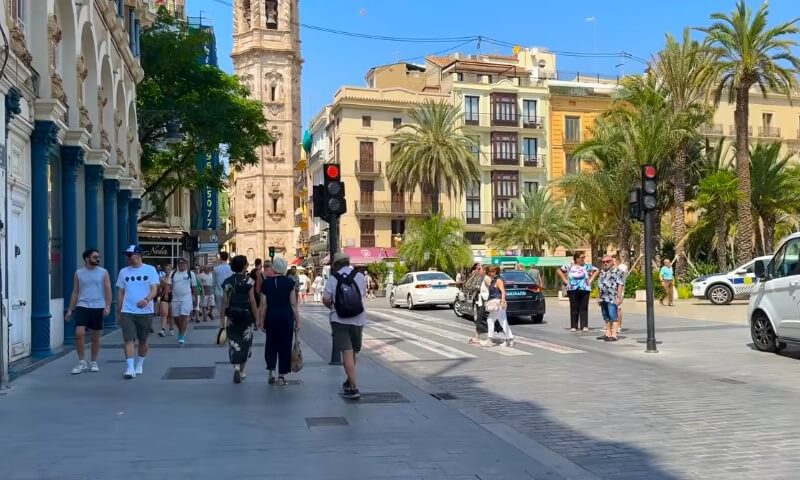
Spain is the most underrated retirement destination on this list for one reason: walkability. Spanish cities are designed for old age. You can shop, see your doctor, meet friends, and have a glass of wine all within a 10-minute walk from your apartment. Other countries have to retrofit that into a retirement community. Spain just lives that way.
I’ve scouted Valencia at length and have a close friend who semi-retired to Málaga in 2020. The thing she keeps emphasizing – and I see it every visit – is that Spanish cities are not lonely in the way American suburbs become lonely after 60. You bump into people. You sit on plazas. You go to lunch with the same group at the same place every Thursday.
What Life Actually Costs
Cepee Tabibian, IL’s Málaga correspondent, reports that a comfortable life in coastal Málaga starts at €1,800–€2,300/month for a single person. Furnished one-bedroom near the beach: €1,000–€1,300. Inland towns and less-touristy coasts (Cádiz, Alicante) are noticeably cheaper.
Healthcare numbers are gentle: a healthy 45-year-old pays €65/month for private; a 77-year-old like her friend Marsha pays €217/month with Sanitas, Spain’s largest insurer. Prescription costs: 30 doses of blood pressure medication = €1.50. A thyroid prescription = €4.
The idealista 2025 retiree guide puts the Spanish non-lucrative visa financial requirements at roughly €2,400/month for a single applicant or about €36,000/year, plus around €9,000 extra per dependent.
Where Retirees Gravitate
- Valencia – perhaps the best value-per-amenity city in Europe, with paella culture, a beach, and a livable old town.
- Málaga / Costa del Sol – large established expat scene, great winters.
- Madrid – for those who want a real cosmopolitan capital and aren’t looking for beach.
- Granada / Seville – Andalusia’s soul, cheaper than the coast.
- Sitges (near Barcelona) – known globally as an LGBTQ+ destination.
Visas
- Non-Lucrative Visa (NLV) – the retiree standard
- Digital Nomad Visa – for remote workers
- The Spanish Golden Visa ended in 2025
Honest Downsides
- Inflation has hit Spain hard, particularly in Madrid, Barcelona, and Málaga.
- Locals in tourist hotspots have grown resentful of investor-driven rent increases. Be a respectful guest.
- Spanish bureaucracy is slow, especially the empadronamiento and TIE residency card process. The repeated forum lament: each step needs its own office, its own appointment, and its own patience.
- Heat waves are getting worse in inland areas. The June–August stretch in Seville or Córdoba can hit 110°F.
- Taxes on worldwide income kick in if you spend more than 183 days a year in Spain (you become a Spanish tax resident). Wealth tax exists above €700,000 in most regions.
For LGBTQ+ Retirees
This is where Spain genuinely shines. Spain legalized same-sex marriage in 2005, a full decade ahead of the U.S. A 2013 Pew survey, cited by International Living, found 88% of Spaniards accept homosexuality – the highest of 39 countries surveyed.
Madrid’s Pride is Europe’s largest. Sitges is one of the great LGBTQ+ towns of the world; Gran Canaria is another. As one couple told Kiplinger, Sitges feels like a utopia where “there are kids running through the streets, old Spanish ladies, and gay couples – all mixing together.”
For LGBTQ+ Americans looking for the most welcoming European landing pad with affordable healthcare and warm weather, Spain has no real competition.
11. Thailand – Your Dollars Stretch the Farthest

Thailand is the budget powerhouse of this list. You can live there in genuine luxury on what would be a working-class budget in the U.S. I’ve been to Bangkok and Chiang Mai, and the contrast with most of the West is jarring in the best way – the public infrastructure (the BTS Skytrain, the airport, the hospitals) is consistently better than what most Americans have at home.
What Life Actually Costs
IL’s Barton Walters in Jomtien Beach reports a single retiree can live decently on $1,200/month – a $300 studio in Chiang Mai, $10/day in Thai food, change for happy hour.
A couple on two average Social Security checks (~$3,800/month) can live luxuriously: a beachside two-bedroom bungalow in Pattaya or Hua Hin for under $1,000, $300–$400 groceries, meals out whenever you want.
Specific Thailand Numbers
- Gigabit fiber internet: <$20/month
- Weekly maid service: $15
- Two-hour deep-tissue massage: $12
- Mani-pedi with cappuccino: $22
Healthcare
Thailand is among the top medical tourism destinations on earth. Bumrungrad International in Bangkok, Bangkok Hospital, Samitivej – these are JCI-accredited facilities where you’ll pay roughly a third of U.S. costs for the same procedure. Many doctors trained in the U.S. or U.K. and speak fluent English.
Visas
- Retirement Visa (Non-Immigrant O-A or O-X) – age 50+, with proof of 800,000 baht (~$22,000) in a Thai bank account or 65,000 baht/month income.
- Long-Term Resident (LTR) visa – 10-year option for higher-income retirees ($80,000+/year passive income or $1M assets).
- Digital Nomad / DTV visa – newer option for remote workers.
Honest Downsides – And What the Forum Elders Will Warn You About
- Visa runs and the 90-day reporting rule mean retirement-visa holders must check in regularly with Thai immigration. It’s a chore.
- Owning land as a foreigner is prohibited. You can own condos directly but not land – most expat houses are owned via a Thai spouse or long lease.
- Healthcare insurance has gotten pricier for older retirees. Pre-existing conditions matter.
- Political volatility surfaces periodically.
- Air pollution in northern Thailand (burning season, Feb–April) is genuinely bad for older lungs.
- It’s a long, expensive flight back to see family.
For LGBTQ+ Retirees
Big news for 2025: Thailand became the first Southeast Asian country to legalize same-sex marriage. The Marriage Equality Act took effect January 22, 2025. Thailand was already widely known as one of Asia’s most LGBTQ+-accepting societies; now the legal framework matches the culture.
Bangkok’s Silom district, Chiang Mai, Pattaya, and Phuket all have established gay communities. For LGBTQ+ Americans wanting tropical-budget retirement with legal recognition, Thailand has just leapfrogged most of Asia.
12. Malaysia – The Under-The-Radar Pick
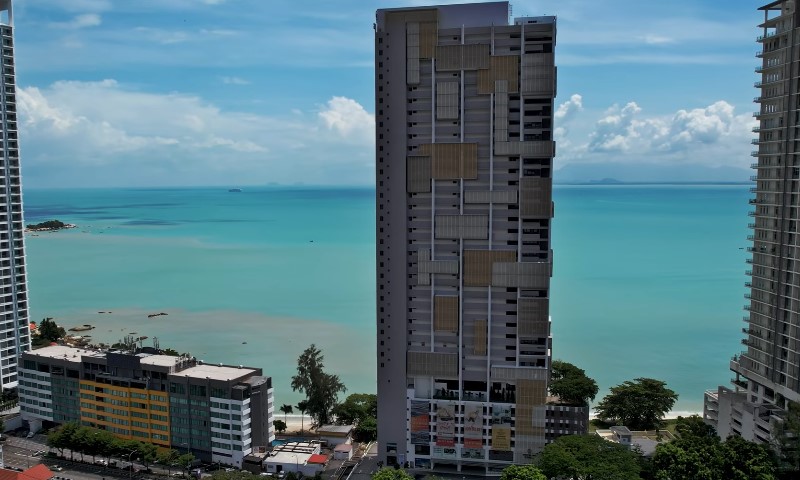
If you’ve never seriously considered Malaysia for retirement, you’re not alone – but Penang in particular keeps showing up on serious lists, and for good reason.
What Life Actually Costs
Keith Hockton, IL’s Penang correspondent, pays 4,500 ringgit (~$900)/month for a four-bedroom modern apartment in Tanjung Bungah with marble floors and 12-foot ceilings. Total monthly spend including wine, dining, weekend trips: about 10,000 ringgit ($2,200).
Benjamin Sharvell IFA puts a comfortable Penang lifestyle at $2,000–$2,300/month for a couple, including spacious apartments with pools and security.
Healthcare: Doctor visits at private clinics: 120 ringgit (~$25). Specialist consultations: 100–250 ringgit. Major hospitals like Gleneagles, Island Hospital, and Adventist offer internationally trained doctors and transparent pricing. Many expats pay out of pocket and skip insurance entirely.
Where Retirees Gravitate
- Penang (George Town, Tanjung Bungah, Pulau Tikus) – the heart of expat life
- Kuala Lumpur – for those who want a true world city
- Langkawi – beach-and-island lifestyle
- Ipoh – affordable old-colonial charm
Visas
- Malaysia My Second Home (MM2H) – went through changes; the Sarawak state version is currently more accessible and flexible than the federal program.
- DE Rantau Nomad Pass – for remote workers, renewable annually.
Honest Downsides – And the Forum-Tested Cautions
- The federal MM2H program’s changing requirements have rattled some retirees.
- It’s humid year-round. There is no break.
- Alcohol carries Islamic-influenced sin taxes; wine can be pricey.
- Distance from the U.S. is the same as Thailand – long and costly trips home.
For LGBTQ+ Retirees
This is the hard truth on this list. Same-sex relations remain criminalized in Malaysia. Penalties can be severe in theory, though enforcement against private behavior between consenting adults is rare.
Public expression and any visible advocacy are unsafe. While Penang has a quietly tolerant urban culture and a long history of foreign residents living discreetly, LGBTQ+ Americans should not choose Malaysia as a primary retirement destination. For Southeast Asia, Thailand and (increasingly) Vietnam are dramatically safer choices.
Three Honorable Mentions That Almost Made the List
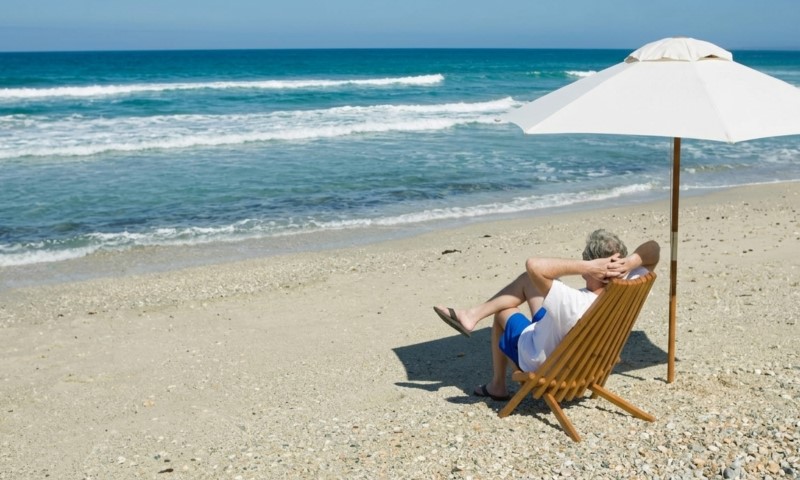
Uruguay – South America’s Quiet Best-Kept Secret
Uruguay rarely makes the headline retirement lists, which is exactly why I love it. Per Global Citizen Solutions and TravelAwaits:
- Second-safest country in South America
- Politically stable, ranking 48th globally on the Global Peace Index
- Temperate four-season climate, 2,900+ hours of sunshine
- Independent Means Visa requires ~$1,500/month stable income; converts toward citizenship
- Estimated couple’s monthly cost: ~$2,500 in Montevideo, $2,150 in Salto
For LGBTQ+ retirees: Same-sex marriage has been legal in Uruguay since 2013. The country is repeatedly cited by U.S. News as one of the friendliest, safest LGBTQ+ retirement destinations in South America. Montevideo is genuinely inclusive in a way few other Latin American capitals are.
Ecuador – Eternal Spring on a $10,000 Entry
Ecuador requires only about $10,000 in pension income (≈$830/month) plus private health insurance for its pensioner visa – among the lowest thresholds anywhere.
Cuenca (8,000 feet up in the Andes) offers cool spring-like weather year-round, walkable colonial streets, and a large American expat community. Same-sex marriage has been legal since 2019. Downsides: political volatility, dollarization tied to U.S. monetary policy, and some recent security concerns on the coast.
Colombia – Medellín Surprises Everyone Who Visits
Medellín’s “city of eternal spring” climate (around 70°F year-round, no heating, no AC), modern medical system, and ~$2,000/month comfortable retiree budget have made it a fast-growing destination.
Colombia legalized same-sex marriage in 2016 and is regarded by Live and Invest Overseas’ gay-friendly index as one of the most welcoming in Latin America. Cartagena Pride and Medellín Pride are major events. Downsides: Spanish is essential, altitude affects some people, and certain neighborhoods still require street smarts.
A Dedicated Section for LGBTQ+ Retirees: The Questions to Ask Before You Commit
For straight retirees, the checklist is climate, cost, healthcare, and visa. For LGBTQ+ retirees, two more questions sit on top of those. Here’s how to think about them, drawing on the deeper analysis in Kiplinger, U.S. News, Vacationer Magazine, and International Living’s gay-friendly guide:
1. Does the country legally recognize my marriage?
This is the single biggest factor. It affects inheritance, hospital visitation, pension survivor benefits, immigration of a spouse, and tax filing.
As of 2026, same-sex marriage is legal in: Greece, Portugal, Spain, France, Mexico, Costa Rica, Uruguay, Ecuador, Colombia, Argentina, Brazil, Chile, Taiwan, Thailand, the Netherlands, Belgium, Germany, the U.K., Ireland, Australia, New Zealand, Canada, South Africa, and (since 2024) Estonia, Slovenia, and Liechtenstein.
Not yet legal in Italy (civil unions only), Panama, Serbia, Bosnia and Herzegovina, and Malaysia.
2. What’s the social temperature, not just the law?
Argentina has marriage equality but uneven rural acceptance. Italy has civil unions but a deeply welcoming urban culture. Serbia has a lesbian former prime minister but no partnership law. Use country reports like Equaldex and the ILGA-Europe Rainbow Map to cross-check law against lived reality.
3. Will gender-affirming care or HIV treatment be accessible?
This matters if you have ongoing medication needs. Spain, France, the Netherlands, and Germany have particularly strong access. Some Latin American countries do too, in major cities.
4. Can my spouse get a residence permit on my visa?
In most retirement visa programs in EU countries, yes – but only if your marriage is legally recognized in that country. This is where countries like Italy, Serbia, and BiH get complicated.
5. Is there an existing community I can plug into?
From Sitges to Puerto Vallarta to Lisbon to Sydney to Berlin, the established LGBTQ+ retirement neighborhoods have built-in social networks, meetups, and senior services. You’ll integrate years faster than starting from scratch in a rural town.
My top picks for LGBTQ+ Americans retiring abroad in 2026, based on the combination of legal recognition, cost, healthcare, and community: Portugal, Spain, Mexico (Puerto Vallarta or Mexico City), Costa Rica, Uruguay, France, and now Thailand thanks to its 2025 marriage equality law.
A Side-By-Side Cost-Of-Living Cheat Sheet
These numbers represent a comfortable (not bare-bones, not extravagant) couple’s monthly budget in the country’s mid-tier retirement city, with rent included. Sources: International Living 2026, Live and Invest Overseas 2026, expat correspondents, Numbeo, Expatistan, MyExpatTaxes, and Realties Abroad.
The U.S. equivalent for a comparable 65+ couple, per BLS data cited by Newsweek, is roughly $5,000–$7,000/month depending on state. The arithmetic of relocation, in other words, is not subtle.
How Americans Actually Pay for Life Abroad: Social Security, Taxes, and Access
Social Security from anywhere. The SSA confirms that U.S. citizens who’ve earned 40 credits (about 10 years of work) can receive retirement benefits in virtually any country. The Payments Abroad Screening Tool on ssa.gov/international tells you whether a country is eligible (most are; a handful like Cuba and North Korea are not). Direct deposit to U.S. or foreign banks works fine. Expect a periodic mailed questionnaire to confirm you’re still alive and resident.
FBAR and FATCA reporting. If you have foreign accounts totaling over $10,000 at any point in the year, you owe an FBAR filing. If you have higher account thresholds (varies by filing status and residency), Form 8938 also kicks in. These are reporting forms, not tax bills – but the penalties for skipping them are severe.
Foreign Earned Income Exclusion (FEIE). Only matters if you’re earning income abroad (not pension or Social Security). For 2026 it’s $132,900.
Tax treaties. The U.S. has totalization agreements with about 30 countries that coordinate Social Security and prevent double-taxation in many cases. Mexico, Portugal, Spain, Italy, France, Greece, and the U.K. all have helpful treaties. Panama, Costa Rica, Thailand, Serbia, and Bosnia and Herzegovina notably do not. In the no-treaty countries you’ll typically still avoid double taxation through foreign tax credits, but it’s more complicated – use a U.S. expat CPA who knows your destination.
Health coverage stacks. Most retirees I’ve read about or spoken with use a combination of: (1) keeping Medicare Part A (it’s free) and dropping Part B if they don’t expect to return; (2) buying local public health insurance once eligible (Portugal SNS, France ALD, Italy SSN, Costa Rica Caja, Serbian RFZO); (3) layering on a private local plan for faster access; and/or (4) carrying an international expat plan from an insurer like Cigna Global, GeoBlue, or IMG.
The smartest play, recommended by Income Lab and most expat tax advisors: don’t make these decisions yourself. Hire a U.S. expat CPA before you leave, ideally one who has clients in your target country. The $800–$2,000 you’ll spend on planning will routinely save five figures over the first five years.
A Pre-Move Checklist (The One You Actually Want)
This is the version I would print and tape to the refrigerator if I were doing this myself.
12 months before you go:
– ☐ Visit your target country for at least 30 days in the “bad season” (rainy, hot, or cold – whichever applies).
– ☐ Hire a U.S. expat CPA. Have them model your taxes for the destination.
– ☐ Read every visa requirement on the official government site, not a blog.
– ☐ Get an updated U.S. passport with at least 18 months’ validity remaining at planned departure.
– ☐ Confirm your Social Security benefits are payable to your destination via the SSA tool.
9 months before:
– ☐ Begin language learning. Even 20 minutes a day in Duolingo helps. (For Serbia and BiH, learn the basics of one of the South Slavic languages – they’re mutually intelligible enough to get by in either country.)
– ☐ Get baseline medical records and a complete dental check. Vaccinations as needed.
– ☐ Apply for an international driver’s permit if you’ll drive abroad.
– ☐ Inventory your home. Decide what you’ll ship, what you’ll sell, and what you’ll keep with U.S.-based family.
6 months before:
– ☐ Begin the actual visa application. Many require apostilled documents, FBI background checks, and translated paperwork – none of which is fast.
– ☐ Set up a U.S. mail-forwarding service.
– ☐ Open a Wise, Schwab, or Charles Schwab Investor checking account that doesn’t charge foreign-ATM fees.
– ☐ Plan how Medicare will continue. Do not casually drop Part B.
– ☐ Power of attorney and updated will, with provisions that work across borders.
3 months before:
– ☐ Book one-way flights and arrange pet import paperwork (allow extra time – Mexico, Portugal, Costa Rica, Serbia, and BiH each have their own pet entry rules; Australia and New Zealand are even stricter).
– ☐ Pre-arrange your first rental for at least three months. Do not buy property in your first year.
– ☐ Notify Social Security and your IRA/401(k) custodians of your move.
– ☐ Make sure your prescriptions are coverable abroad; bring a 90-day supply.
Month one in-country:
– ☐ Register at your local town hall (Portugal empadronamiento, Italy codice fiscale, Serbia bela karta, etc.)
– ☐ Get a local SIM card and a local bank account.
– ☐ Find a primary care doctor and confirm prescription access.
– ☐ Join one local-language class. Even basic. Especially basic.
– ☐ Identify at least one expat community group and at least one local-language activity (cooking class, walking group, gym). The ratio matters.
Month six review:
– ☐ Honestly assess: am I building friendships? Am I more financially stable than before? Do I miss home in a way I can live with?
– ☐ If yes: extend, look into long-term residency tracks.
– ☐ If no: this isn’t failure. It’s information. Many retirees end up splitting time between two homes, which is a perfectly successful outcome.
FAQs
Pick the Life, Not the Postcard
After working through every major retirement index, hundreds of expat threads, my own travel notes, and the lived testimonies of friends who’ve made this leap, here’s the pattern I keep coming back to:
The “best place to retire” is not the cheapest, not the warmest, and not the highest-ranked. It’s the place where, twelve months in, you’ve made three or four real friends. Where your doctor knows your name. Where your morning walk has rituals. Where the bureaucracy stopped feeling like a personal attack. Where your social calendar has more entries than your homesickness journal.
Some of you reading this will move to Greece and find your version of the life Leena Horner found on Corfu. Some will land in Cuenca or Cuernavaca and never look back. Some, I hope, will scout Belgrade or Sarajevo and feel what I felt the first time I drank a Bosnian coffee on Ferhadija at sunset, or walked the Kalemegdan fortress at dusk and watched the Sava meet the Danube – that strange jolt of recognition that says this could be home.
Some will try Portugal, get worn down by AIMA appointments, and end up happier than ever in a coastal town in southern Italy or central Mexico. A few will go scout for six months and decide, with no shame, that home in Asheville or Tucson is where they belong. All of those are wins. The unsuccessful retirement abroad is the one where you didn’t scout, didn’t rent, didn’t plan taxes, and didn’t prepare for the bureaucratic and emotional weather.
For LGBTQ+ retirees especially, the calculus is a little more loaded – but the landscape has never been more welcoming. As of 2026, you can legally marry your spouse in Greece, Portugal, Spain, France, Mexico, Costa Rica, Uruguay, Thailand, and almost every other country I’ve fully recommended above.
You can live in inclusive expat communities in Lisbon, Sitges, Puerto Vallarta, Montevideo, Athens, Chiang Mai, and Medellín. You can find healthcare systems that treat you with dignity and visa programs that recognize your spouse. The Balkans haven’t caught up legally yet, but countries like Serbia are moving in the right direction year by year.
That wasn’t true twenty years ago. It’s true now. And for a generation of Americans who came of age fighting for these rights, it is genuinely one of the most quietly miraculous things about retirement in this decade: the door isn’t just open. It’s waiting.
Whichever country you choose, do the homework. Take your time. Rent before you buy. Make a friend before you make a decision. And then – go.