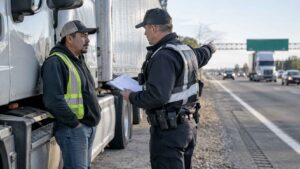


Super Ego is facing serious allegations from drivers who say they were underpaid, hit with unfair deductions, and pushed to stay on the road for punishing hours.
The claims matter because they raise two bigger questions at once: how some trucking companies handle driver pay, and what happens on the road when exhausted drivers feel they cannot stop.
Super Ego denies wrongdoing, but the dispute has already drawn wider attention to wage practices, contractor arrangements, and fatigue-related safety risks in trucking.
What Drivers Are Alleging
View this post on Instagram
Public reporting and court-linked summaries point to four core allegations:
- Drivers say they were promised 88% of a load’s revenue, then paid from a lower figure than the broker actually paid.
- Drivers say deductions for truck rental, insurance, fuel, repairs, and other costs pushed settlements far below expectations, and in some periods below zero.
- Some former drivers told CBS and trade outlets they were pushed into extremely long days, including claims of 18-hour shifts and manipulated log or clock practices.
- The lawsuit also claims drivers were misclassified as independent contractors, had pay withheld, and in some pay periods fell below the federal minimum wage.
None of that has been finally proven in court. Still, the pattern described across multiple sources explains why the story has moved beyond a labor dispute and into a wider conversation about trucking safety, lease practices, and enforcement gaps.
Where the Pay Dispute Appears to Begin

At the center of the wage dispute is a simple question: what was each load really worth, and what share of that amount should the driver have received?
According to the plaintiffs’ case summary and reporting from Fox 32 Chicago, drivers say they were recruited with promises of 88% of load revenue, minus agreed costs.
Their lawyers say many later obtained genuine broker rate confirmations showing a higher load price than the amount reflected on paperwork sent to drivers.
Land Line recently published one concrete example drawn from the third amended complaint: a broker allegedly paid $4,800 for a load, while the driver received paperwork showing the load paid $3,500, with the driver then paid 88% of the lower figure.
If that allegation holds up, the gap is not a minor accounting issue. It goes straight to whether the driver’s pay was skimmed before the settlement was ever calculated.
Why Rate Confirmations Matter So Much
In percentage-pay trucking arrangements, the rate confirmation is often the backbone of the settlement. It shows what the broker agreed to pay for the load.
If the figure on the driver’s paperwork is altered, every percentage calculation after that point is affected.
That helps explain why the lawsuit places so much weight on broker confirmations, and why driver lawyers say the evidence trail may sit in ordinary records: broker documents, settlement sheets, fuel charges, repair receipts, and dispatcher communications.
The Deduction Issue May Be Even More Damaging

For many drivers, low gross pay is only part of the story. Multiple reports say the bigger shock came after deductions.
Fox 32 quoted the drivers’ lawyer saying plaintiffs were told they would receive 88% of the load price, less truck rental, certain insurance costs, and fuel, but that some drivers say they were paid less than 88% and charged more for fuel than their contracts allowed. In some cases, the result was a negative balance on a paycheck.
CBS also featured a former driver who said his settlement checks went negative after fees were taken out.
That part of the story matters because negative settlements are not just demoralizing. They can trap a driver in debt to the very business assigning the freight.
A January 2025 FMCSA Truck Leasing Task Force report described how lease-purchase and contractor arrangements can leave drivers with no net compensation, or even a negative compensation statement that carries debt into the next pay period.
The same report warned that carriers can use escrow deductions, repair charges, and contract defaults in ways that leave drivers at a severe disadvantage.
Federal leasing rules do allow some deductions, but not as a free-for-all. Under 49 CFR § 376.12, a lease must clearly specify when cargo or property damage deductions may be made, and the carrier must provide a written explanation and itemization before such deductions are taken.
That does not resolve every dispute in the Super Ego case, but it shows why paperwork, notice, and contract language are central to any fair reading of the allegations.
Long Hours and Pressure to Keep Driving Raise a Separate Safety Question
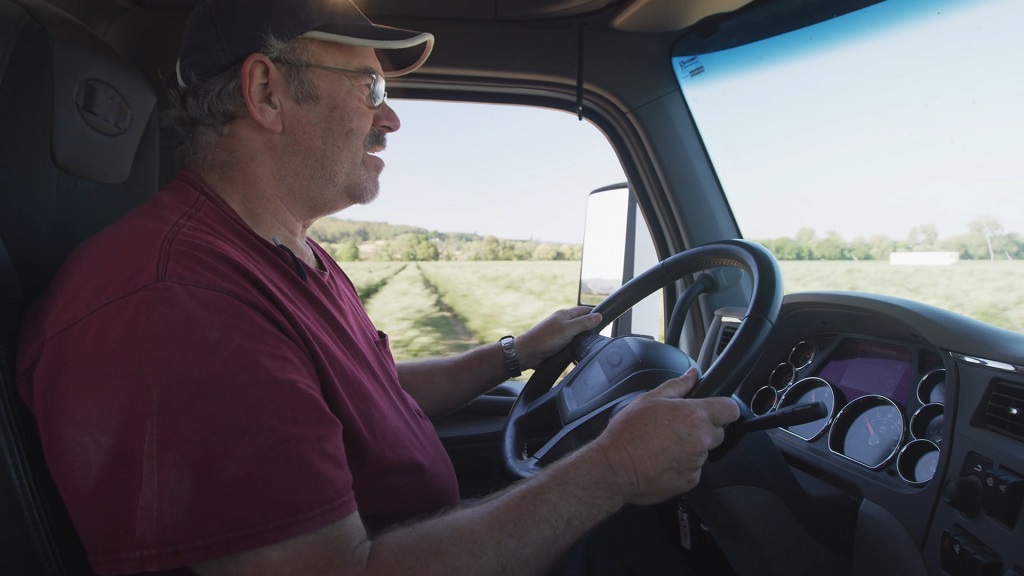
The pay allegations would be serious on their own. Fatigue claims make the story heavier.
When fatigue-related driving leads to a collision, firms like Freeman Law Firm handle the injury, liability, and insurance side that victims are suddenly forced to deal with.
Overdrive reported allegations that some drivers were pushed into 18-hour shifts and that clocks were reset after legal driving limits were reached.
FMCSA’s rules for property-carrying drivers are clear: a driver may drive up to 11 hours only after 10 consecutive hours off duty, and may not drive beyond the 14th consecutive hour after coming on duty.
A driver who feels underpaid, over-deducted, or indebted has a built-in incentive to keep moving.
FMCSA’s Truck Leasing Task Force flagged exactly that risk. Its 2024 public court data report said carrier-structured lease arrangements can push drivers to work more hours or take fewer days off, creating pressure to violate hours-of-service rules and operate less safely.
In plain terms, money problems in a trucking contract can turn into road safety problems very quickly.
Why Misclassification Keeps Showing Up in the Case
The plaintiffs also say Super Ego misclassified truckers as independent contractors. That allegation matters because classification affects access to wage protections and shapes who carries the risk of equipment costs, insurance, downtime, and basic business expenses.
The lawsuit summary says plaintiffs are seeking damages under the Fair Labor Standards Act and claim some drivers were paid less than the federal minimum wage during certain pay periods.
Labor policy around contractor status remains contested in Washington, but one point has been consistent across recent Labor Department actions: worker classification can determine whether minimum wage and overtime protections apply.
In 2024, the department said misclassification may deny workers minimum wage, overtime pay, and other protections. In February 2026, it proposed replacing that 2024 standard, showing the legal test is still being fought over.
Super Ego’s Response
Trucker Daniel Sanchez says he drove 600 to 800 miles a day, but excessive fees left his paycheck in the negative. https://t.co/IlIzBl7RVs pic.twitter.com/KwC0CcQllI
— 60 Minutes (@60Minutes) April 12, 2026
Super Ego has publicly rejected the reporting and the allegations. In statements quoted by
Commercial Carrier Journal and The Trucker, the company said it is an equipment leasing company, not a carrier, and argued that claims about driver clocks, pay, DOT numbers, and rate sheets are false and flow from a basic misunderstanding of its role.
The company also said outside carriers, not Super Ego, hire and supervise their own drivers and dispatchers.
That defense is likely to matter a great deal as the case moves forward. If Super Ego can separate itself from the carriers and dispatch operations at issue, its legal exposure may look very different from what plaintiffs claim.
If plaintiffs can show control over pay, paperwork, equipment, and day-to-day operations across affiliated entities, the case could become a major test of how far a leasing-centered business model can shield itself from wage and safety liability.
The federal case remains active in the Northern District of Illinois, where Atkinson v. Super Ego appears on Judge M. David Weisman’s public calendar in April 2026.
Summary
The Super Ego allegations hit a nerve because they tie together money, power, and safety in one business model. If drivers were shorted, overcharged, or pushed past legal limits, the damage reaches beyond payroll.
If the company’s denial proves right, the case will still serve as a sharp reminder of how opaque contractor and lease arrangements can become in trucking.