
A former Fort Bragg employee with Top Secret clearance has been arrested and indicted after federal prosecutors accused her of sharing classified national defense information with unauthorized recipients, including a journalist, in a case that now sits at the center of a volatile clash between secrecy, whistleblower claims, and press scrutiny of one of the Army’s most secretive units.
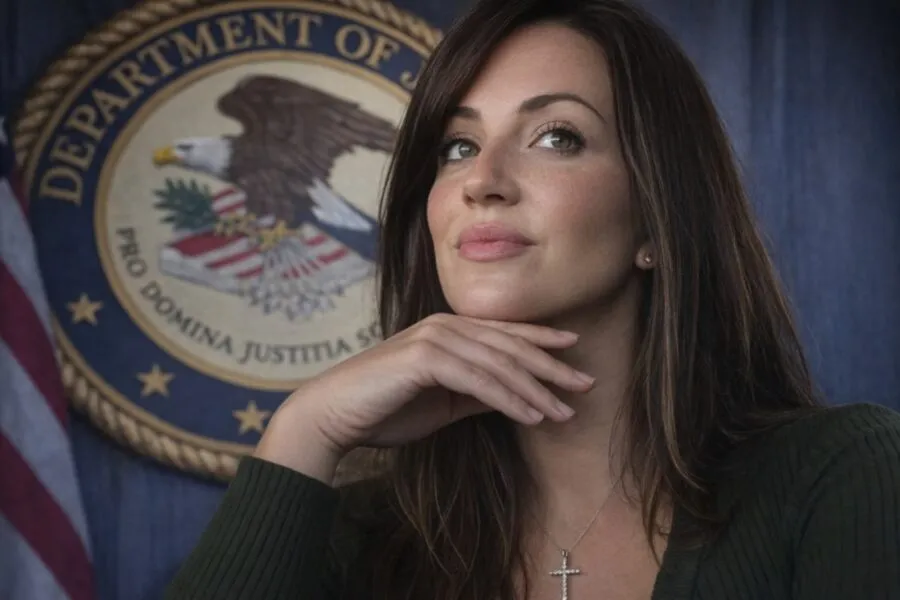
The Justice Department said Courtney Williams, 40, of Wagram, North Carolina, was arrested on April 8 after a federal grand jury charged her with violating 18 U.S.C. § 793(d), a provision of the Espionage Act.
According to the department, Williams worked for a Special Military Unit at Fort Bragg from 2010 to 2016, held Top Secret/Sensitive Compartmented Information clearance, received training on handling classified material, and signed a classified nondisclosure agreement warning that unauthorized disclosure could amount to a criminal offense.
Table of Contents
ToggleWhat Prosecutors Allege
Court documents, as summarized by the Justice Department and major news outlets, allege that Williams repeatedly communicated with a journalist between 2022 and 2025, exchanging more than 180 messages and spending more than 10 hours on phone calls.
Prosecutors say the journalist later published a book and an article that identified Williams as a source and attributed statements to her, with some of those statements allegedly containing classified national defense information.
The journalist is not named in the DOJ release, but Reuters, AP, and The Guardian all identified the reporting trail as pointing to Seth Harp, whose 2025 book The Fort Bragg Cartel examined allegations of crime, corruption, sexual harassment, discrimination, and suspicious deaths connected to Fort Bragg and Delta Force.
That reporting turned Williams into a public figure in a larger story about an elite military culture that had already drawn intense outside scrutiny.
A Case Framed Two Very Different Ways
To prosecutors, the case is straightforward: a clearance holder is accused of disclosing sensitive military tradecraft, tactics, and techniques that the FBI says should be known only to people with both the proper clearance and a need to know.
DOJ and FBI officials described the alleged conduct as a betrayal of trust that endangered U.S. personnel and allies.
Harp has framed the matter very differently. In comments reported by ABC news, he defended Williams as a whistleblower and truth-teller, not a malicious leaker.
He has argued that she exposed gender discrimination and sexual harassment inside Delta Force and denied, in at least one instance, that he received classified information from her.
That tension matters. Leak prosecutions often turn on narrow legal questions, what was classified, who disclosed it, and whether the accused had reason to know the information could harm national security.
But once a case becomes entangled with reporting on alleged misconduct inside a closed institution, it also becomes a public test of how the government distinguishes between a criminal leak and a source who says she was exposing abuse.
Why the Arrest Resonates Beyond Fort Bragg
Reuters noted that the prosecution arrives amid broader concern from free speech advocates about a harder official line toward leaks to the press.
That does not change the legal standard Williams faces in court, where an indictment remains only an allegation and she is presumed innocent unless proven guilty.
It does, however, ensure that the case will be watched for more than its espionage count alone. It will also be read as a signal about how aggressively the government intends to pursue people who provide journalists with information tied to national security reporting.
For now, the government has established the accusation, not the verdict. What comes next, discovery, motions, and the fight over what was truly classified and what was whistleblowing, will determine whether the case is remembered as a national security prosecution, a warning shot to sources, or something more unsettling: a collision between accountability journalism and the secrecy of the modern American military.
Related Posts:
- Armed Forces Organizations, 500+ Veterans Announce…
- Key Figures on US Border Crossings and Illegal…
- The 100 Most Dangerous Cities in America (2026):…
- 25 Most Dangerous Cities in US - Updated Statistics for 2026
- 13 Most Dangerous Neighborhoods in New York 2026 -…
- Safest Cities in California in 2026: An Honest,…