
The first major primaries of the 2026 midterm cycle delivered exactly what party strategists feared and hoped for, depending on which side they were on: a long night in Texas, a clear setup in North Carolina, and early signs that November will be shaped by faction fights as much as by general-election messaging.
AP’s election hub framed March 3 as the opening round of the midterm season in the South, with Texas and North Carolina drawing outsized attention because both states debuted new congressional maps and both feature nationally important Senate contests.
Texas Sets up a Republican Senate Runoff That Could Define the Gop’s Direction
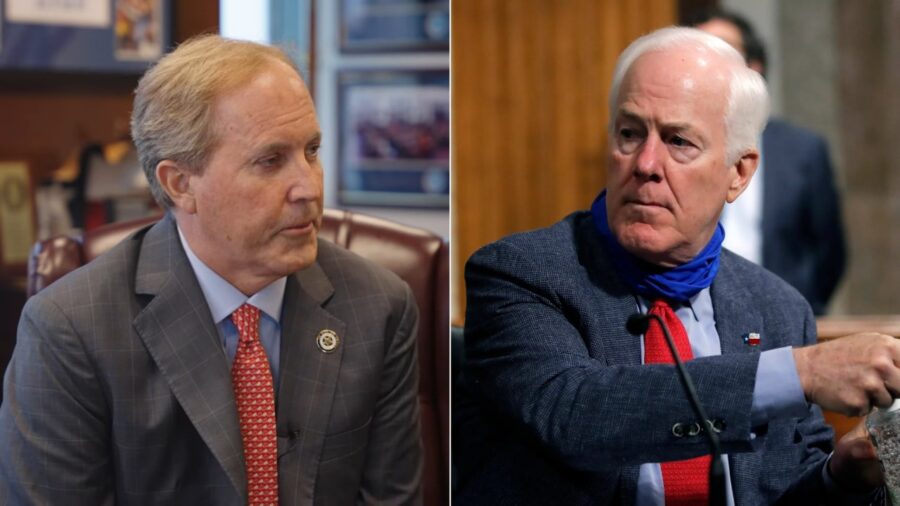
The headline from Texas is the Republican U.S. Senate primary moving to a runoff between incumbent Sen. John Cornyn and Texas Attorney General Ken Paxton after neither candidate reached the 50% threshold needed to win outright.
Reuters reported the result as one of the earliest major tests of the Republican Party’s internal divide, with Cornyn representing the party establishment and Paxton running as a hardline, Trump-aligned challenger.
Reuters also described the contest as extraordinarily expensive, calling it the most expensive Senate primary in U.S. history, which explains why national operatives, donors, and outside groups treated a state primary like a national event.
The runoff structure matters. It prolongs the fight, forces both camps to continue spending, and keeps Republican infighting in the headlines while Democrats try to define the eventual nominee early.
The broader implication is strategic, not only local. A Cornyn win would signal durability for traditional Republican incumbents even in a Trump-era party.
A Paxton win would strengthen the argument that ideological confrontation and movement loyalty remain the fastest path to power in GOP primaries. Reuters explicitly cast the race as a proxy for those competing instincts inside the party.
Democrats in Texas Show Energy, but the Party’s Own Split Is Part of the Story
View this post on Instagram
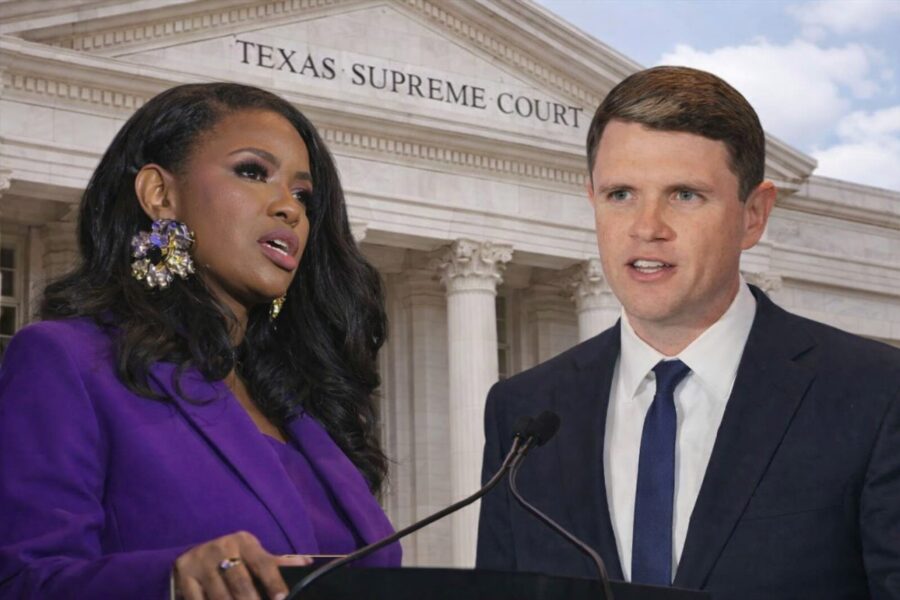
Texas Democrats also drew national attention with a closely watched Senate primary featuring Rep. Jasmine Crockett and state Rep. James Talarico. Reuters reported the race as tight and tied it to a parallel Democratic identity struggle, with the two candidates reflecting different styles and factions inside the party.
As of Reuters’ reporting after election night, Talarico held a slight lead, but the central point for national observers was less about a single batch of returns and more about the signal: Democrats are still searching for the strongest statewide message in Texas while trying to capitalize on dissatisfaction with Republicans.
Reuters also noted a notable turnout indicator, reporting that Democrats had slightly outvoted Republicans in Texas, which strategists will scrutinize for enthusiasm trends even if primary turnout does not map neatly onto general-election outcomes.
That number will likely be debated for weeks. Campaigns will argue over whether it reflects urban mobilization, anti-incumbent sentiment, candidate-specific excitement, or simply the shape of the ballot in different counties. Still, on a night when much of the attention was on the GOP runoff, Democratic turnout became one of the most closely watched data points.
Abbott Clears His Primary, Reinforcing His Grip on Texas Republicans
Another major Texas result came with less suspense: Gov. Greg Abbott winning the Republican gubernatorial primary as he seeks another term.
Reuters reported media projections of Abbott’s victory and described him as a dominant force in state politics, underscoring how firmly he remains positioned within the Texas GOP even while the Senate primary exposed deep divisions elsewhere on the ballot.
That contrast is important. Texas Republicans appear fractured in some marquee contests, but not uniformly unstable.
Abbott’s easy path through the primary suggests that incumbent strength and party unity can still coexist at the statewide level when a figure has strong institutional support and a long record with the party base.
North Carolina Delivers the Senate Matchup Both Parties Expected, and Feared
If Texas produced suspense, North Carolina produced clarity. AP reported that former Democratic Gov. Roy Cooper and former Republican National Committee Chair Michael Whatley each won their party’s U.S. Senate nominations, setting up a fall race to replace retiring Republican Sen.
Thom Tillis. AP also emphasized the stakes, describing the race as one that could help determine control of the Senate.
Reuters similarly identified Cooper and Whatley as the winners and placed North Carolina alongside Texas as a top battleground in the opening phase of the midterms. The result was not a surprise, but the speed and decisiveness of the outcome matters.
It allows both campaigns to pivot quickly into general-election mode in a state that is expected to attract enormous outside spending, constant national attention, and heavy voter-contact operations.
North Carolina’s Senate race is already being treated as one of the costliest and most competitive contests on the map. ABC’s results coverage also highlighted the expectation that the race will become a major fight as Republicans defend their Senate majority and Democrats search for pickup opportunities.
The First Primaries Also Preview the Fall Fight Over Maps, Turnout, and Coalition Stress
AP’s election results project noted that North Carolina and Texas debuted new congressional maps after mid-cycle redistricting, which is not a side note, it is a structural force shaping candidate decisions, turnout targets, and party resource allocation.
Reuters also flagged new Republican-drawn congressional maps in both states as part of the broader 2026 battlefield, reinforcing that control of Congress will not be fought only through candidate quality or messaging, but through the terrain itself.
That is why the biggest lesson from the opening primaries may be the simplest one. Both parties face two simultaneous contests in 2026. One is the race against the other party in November. The other is the race to define what their own coalition stands for right now, in real time, under pressure.
Texas showed how expensive and public that intraparty fight can become. North Carolina showed how quickly the focus shifts once nominees are settled. Together, the two states turned the first primary night into a warning for anyone still describing 2026 as a routine midterm.
It is not routine. The map is tight, the factions are restless, and the runway to November is already crowded.