
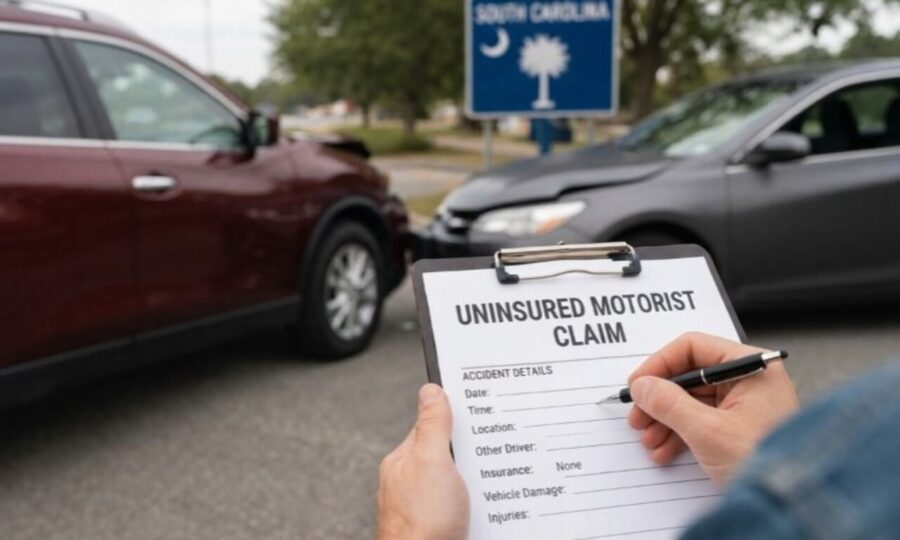

Auto insurance is mandatory in most parts of the United States, yet carrying a policy does not always mean a driver has enough protection to cover a serious crash.
Coverage gaps have grown significantly in recent years, creating greater financial risk for drivers, passengers, and accident victims.
About 33.4% of U.S. drivers were uninsured or underinsured in 2023. Combined rates were roughly 23% in 2017, meaning the share increased by about 10 percentage points in only six years.
Nearly one in three drivers may now lack enough insurance to fully compensate another person after a serious collision.
Rising repair bills, medical expenses, insurance premiums, and outdated state minimum liability requirements are making that gap increasingly important.
One in Three Drivers Lacks Adequate Auto Insurance
Insurance shortages fall into two major categories. Some drivers have no liability insurance at all, while others carry insurance but have limits that are too low to cover the losses caused by a major accident.
Uninsured drivers represented 15.4% of motorists in 2023, equal to more than one in seven drivers. Another 18.0% were underinsured.
Rates vary considerably across the country. Several jurisdictions recorded especially high uninsured rates in 2023:
- Mississippi had an uninsured rate of 28.2%.
- New Mexico recorded 24.1%.
- Washington, D.C., recorded 23.1%.
- Maine had one of the lowest rates at just 5.7%.
Those differences mean accident victims can face very different financial risks depending on where a crash occurs.
Data used to calculate national estimates included information supplied by 17 insurers representing approximately 55% of the U.S. private-passenger auto insurance market.
Why Uninsured and Underinsured Rates Are Rising
Several financial and regulatory factors can push motorists toward inadequate coverage.
Insurance costs play a major role. Higher premiums can lead some households to purchase only minimum coverage or allow policies to lapse completely.
Economic pressures can create similar problems when auto insurance competes with housing, food, utilities, and other essential expenses.
Uninsured rates increased in nearly every state during the early stages of the pandemic.
When those limits fall short after a serious crash, knowing how to file a car accident claim can help victims organize medical records, repair estimates, lost-income documentation, and other evidence needed during the claims process.
Improvements in employment and household income have not completely reversed that trend, suggesting affordability problems continue to affect coverage decisions.
State insurance rules also influence how much protection drivers carry. Minimum liability limits can stay unchanged for many years even as accident expenses rise.
A policy that may once have provided reasonable protection can become less effective as several costs increase, including:
Emergency medical treatment
- Hospital care
- Vehicle repairs
- Replacement vehicles
- Rehabilitation
- Lost income after serious injuries
Medical inflation and higher vehicle repair costs can therefore turn a legally compliant insurance policy into inadequate financial protection after a severe crash.
Accident Victims Face a Growing Coverage Shortfall
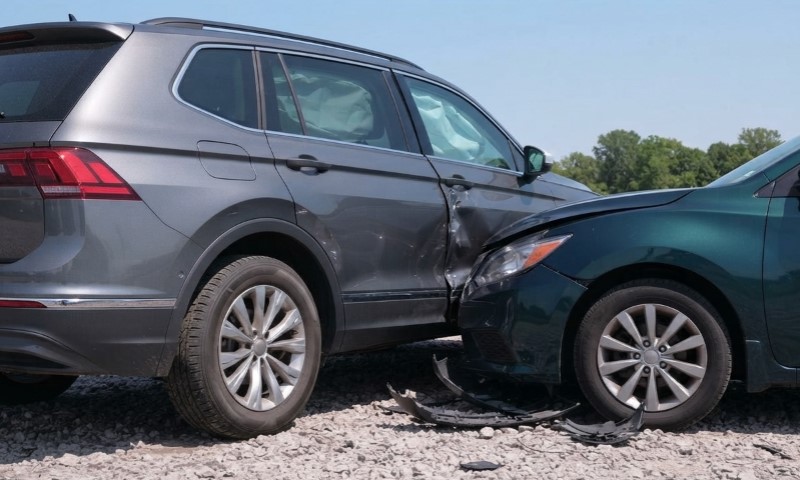
Growing underinsurance has direct consequences for people injured in crashes.
In 2017, fewer than 11% of injury accidents generated medical costs greater than the at-fault driver’s liability limits. That figure increased to 14.7% in 2020 and reached 18% in 2023.
Nearly one in five injury accidents in 2023 therefore involved losses greater than the insurance coverage available through the responsible driver’s policy.
Policy limits can be exhausted quickly after crashes involving hospitalization, surgery, extended rehabilitation, or long periods away from work. Serious vehicle damage can create another layer of financial pressure.
Victims may still face several major expenses after available liability coverage has been used, such as medical bills, lost wages, repair costs, replacement transportation, and other accident-related losses.
Someone carrying only a low liability limit can technically satisfy state insurance requirements while still leaving an injured person with thousands of dollars in uncovered expenses.
Uninsured and Underinsured Motorist Coverage Can Close Part of the Gap
Personal auto insurance can provide additional protection when another motorist has little or no coverage.
Uninsured motorist coverage, commonly called UM coverage, can help pay covered losses when an accident involves an uninsured driver. Protection may also apply in certain hit-and-run cases.
Underinsured motorist coverage, or UIM coverage, can help when the responsible driver’s liability limit is lower than the victim’s covered losses.
Twenty-two states require some form of UM or UIM protection, although exact requirements differ considerably by jurisdiction.
Higher personal liability limits can also reduce the chance that a driver causes a similar financial problem for someone else. Legal minimums provide a regulatory baseline, but serious accidents can easily cost much more than those minimum amounts.
Insurance Limits Matter Just as Much as Having a Policy
Auto insurance discussions often focus on uninsured motorists, but underinsurance has become an equally significant issue.
Uninsured drivers accounted for 15.4% of motorists in 2023, while underinsured drivers accounted for another 18.0%. Combined, those figures pushed insufficient coverage to 33.4%.
Nearly every jurisdiction recorded an increase in underinsurance between 2017 and 2023. New York and Washington, D.C., were the only exceptions.
Growing medical costs and vehicle repair expenses mean having an insurance card alone offers limited insight into how much protection is actually available after a serious collision.
Adequate protection depends on the limits written into the policy, not simply on having coverage in place.
Reviewing liability, uninsured motorist, and underinsured motorist limits can help drivers identify gaps before an accident turns those gaps into major financial losses.
FAQs
Closing Thoughts
Insurance coverage gaps are becoming a bigger financial problem for U.S. drivers and accident victims.
Carrying a policy may satisfy legal requirements, but low limits can still leave major medical bills, repair costs, and lost income unpaid after a serious crash.
Growing rates of underinsurance show why policy limits deserve closer attention.
Reviewing liability protection along with uninsured and underinsured motorist coverage can help reduce the risk of facing major out-of-pocket costs after an accident.