Skip to content
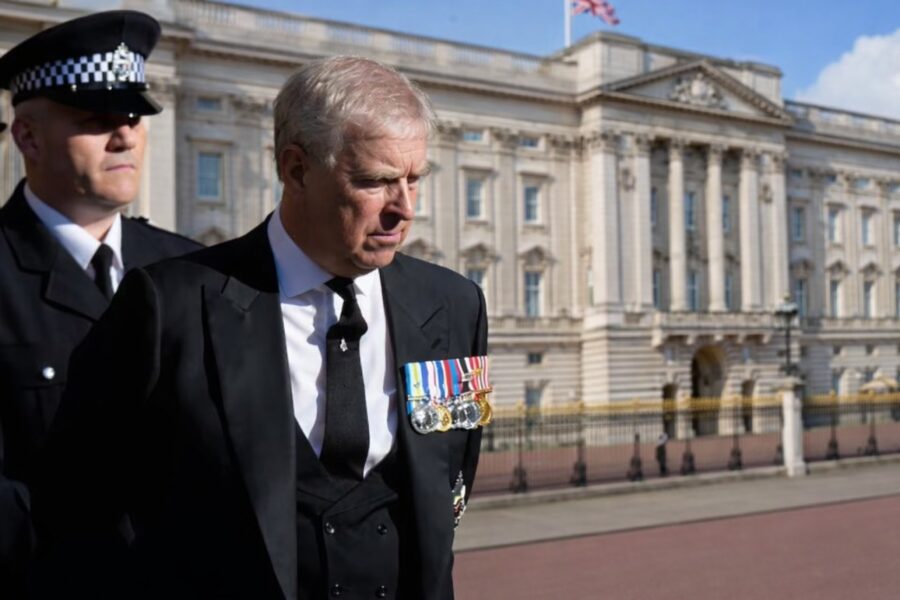

British police arrested a man “in his 60s” from Norfolk on suspicion of “misconduct in public office,” then began searches at addresses in Berkshire and Norfolk, according to a formal statement from Thames Valley Police released Thursday.
Major outlets, including AP News, reported that the arrested man is Andrew Mountbatten-Windsor, formerly known as Prince Andrew, the brother of King Charles III.
The force said the suspect remains in custody and stressed limits on what can be disclosed while inquiries are active.
Table of Contents
ToggleWhat Police Have Confirmed
Thames Valley Police’s statement confirms four core points:
- An arrest took place on February 19, 2026, of a man in his 60s from Norfolk.
- The arrest is on suspicion of misconduct in public office.
- Officers are conducting searches at addresses in Berkshire and Norfolk.
- The man remains in custody.
Police did not publish the suspect’s name in their statement, a common approach in the UK at arrest stage, particularly in high-profile cases.
How the Man Was Identified Publicly
While police did not name the suspect, multiple reputable outlets reported the arrested man is Andrew Mountbatten-Windsor and described police activity at royal-linked residences, including Royal Lodge and properties associated with the Sandringham Estate.
What the Reported Allegation Centers On
Reporting from several outlets ties the arrest to allegations connected to Mountbatten-Windsor’s time as a UK trade envoy and his long-scrutinized association with Jeffrey Epstein.
Accounts published on February 19 describe alleged sharing or handling of official or confidential material linked to overseas travel during the period when he held a public-facing government role. Some reporting connects the revived scrutiny to recently released U.S. documents related to Epstein.
At this stage, there is no public charging document describing exactly what information is alleged to have been misused, how it was transferred, or what harm investigators believe occurred.
What “Misconduct in Public Office” Means in English Law
Misconduct in public office is a common law offence, not defined in a single statute, and prosecutors treat it as a serious abuse of public trust by someone acting in an official capacity.
The Crown Prosecution Service guidance sets out the legal approach prosecutors apply, including the need to show a public officer acting as such, wilful neglect or misconduct, seriousness rising to an abuse of the public’s trust, and lack of reasonable excuse or justification.
The Law Commission of England and Wales has also noted the offence carries a maximum sentence of life imprisonment and has discussed long-running concerns about clarity and consistency because the offence is judge-made rather than statutory.
What Buckingham Palace and Government Figures Have Said
@bbcnews The UK prime minister said “nobody is above the law” when asked about Andrew Mountbatten-Windsor and his association with late sex offender Jeffrey Epstein but declined to say whether the former prince should volunteer himself to UK police. Andrew has consistently and strenuously denied any wrongdoing. #Andrew #JeffreyEpstein #KeirStarmer #PrimeMinister #News #BBCNews
Public reaction moved quickly after the arrest became public.
The Guardian reported a statement attributed to the King backing due process and cooperation, with language stating the law must take its course.
Reporting also quoted Prime Minister Keir Starmer saying nobody is above the law.
What Is Still Unknown Tonight
Several key facts remain unconfirmed in official public material:
- Whether prosecutors have been asked to make a charging decision, or whether the case is still strictly investigative.
- The exact conduct alleged, including dates, communications, and any documents at issue.
- Whether the suspect will be released under investigation, bailed, or charged.
An arrest on suspicion is not a charge. UK police can arrest to question a suspect, preserve evidence, and conduct searches, then continue inquiries before any prosecution decision is made.
Why the Case Has Immediate Constitutional Weight
Even with limited official detail, the arrest is politically and institutionally consequential because it touches a senior member of the royal family and turns on alleged conduct connected to a public role.
The UK’s approach to the monarchy relies heavily on public confidence in standards, accountability, and the separation between ceremonial status and legal exposure.
What happens next will be determined by evidence, charging standards, and court procedure, not by public statements.
Related Posts:
- Safest Countries in the World in 2025 - GPI…
- 25 Most Dangerous Cities in US - Updated Statistics for 2026
- Capital Cities in Europe: Top Destinations For You…
- Most Dangerous Cities in Georgia for 2026 - 10…
- What ICE Does and Why It Matters - U.S. Immigration…
- What Is the Most Dangerous Country in the World in 2025