Skip to content
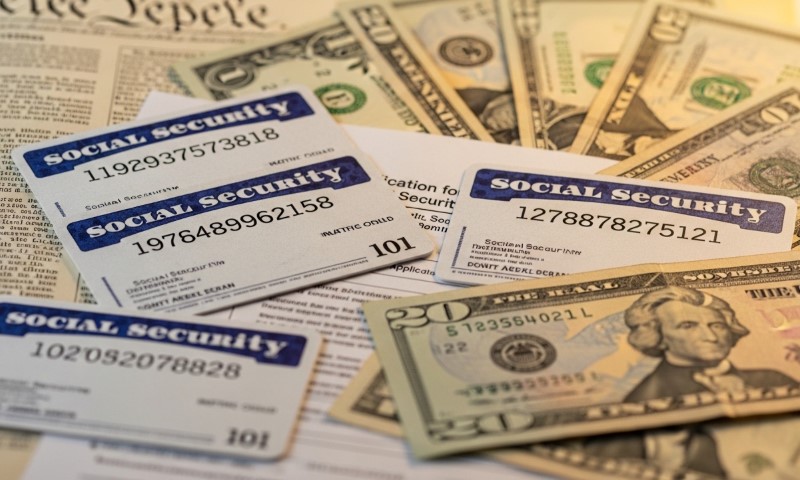

A fresh warning from the Social Security Administration is aimed squarely at a familiar, costly threat: scammers pretending to be the government. The message is especially urgent for retirees, who are often targeted by fraudsters posing as Social Security officials through phone calls, emails, texts, and fake online notices.
According to the agency and its watchdog, the danger is not theoretical. It is active, growing, and increasingly polished.
The most recent alert came from the SSA Office of the Inspector General in February 2026, when officials reported a significant rise in fraudulent emails claiming to offer access to a recipient’s Social Security statement.
Investigators said the messages were designed to look official, often using convincing language and formatting to lure recipients into clicking malicious links. The agency warned that doing so could expose victims to identity theft, financial loss, or malware.
Table of Contents
ToggleA Problem Getting Bigger, Not Smaller
Social Security tied that warning to a broader national trend in fraud. In a March 5, 2026, release tied to National Slam the Scam Day, SSA said the Federal Trade Commission received more than 330,000 complaints involving government impersonation scams in 2025, a 25% increase from the year before. SSA said it remains one of the most frequently impersonated federal agencies.
That matters because impersonation scams work by weaponizing trust. Criminals do not need a victim to believe every word. They only need a moment of panic.
What Social Security Says It Will Never Do
Federal officials are trying to make the red flags unmistakable. SSA says it will not suspend a Social Security number, threaten arrest, demand immediate payment, or ask for money through gift cards, wire transfers, cryptocurrency, cash by mail, or gold. It also says official emails come from addresses ending in “.gov,” a detail the Inspector General highlighted in the February warning.
For retirees, the risk is more than a nuisance. FTC data released in 2025 showed a sharp rise in reports of impersonation scammers stealing large sums from older adults, with many cases involving scammers claiming to represent trusted institutions.
AARP has also been warning in 2026 that fast-evolving digital fraud is putting consumers’ financial security under heavier pressure.
What Retirees Should Do Right Now
The practical advice from SSA is blunt: do not click suspicious links, do not open unexpected attachments, and do not trust caller ID or an email logo as proof that a message is real.
Instead, type the official Social Security website into your browser yourself, or call the agency through published numbers you locate independently. Anyone who suspects a scam should report it to the SSA Office of the Inspector General.
The warning to retirees, then, is not about a sudden policy shock. It is about a criminal ecosystem built around the Social Security name. And right now, federal officials are making clear that the safest response is skepticism first, action second.
Related Posts:
- Safest Countries in the World in 2025 - GPI…
- 25 Most Dangerous Cities in US - Updated Statistics for 2026
- Capital Cities in Europe: Top Destinations For You…
- What ICE Does and Why It Matters - U.S. Immigration…
- What Is the Most Dangerous Country in the World in 2025
- Most Dangerous Cities in Mexico 2026 - Top 10 Places…