
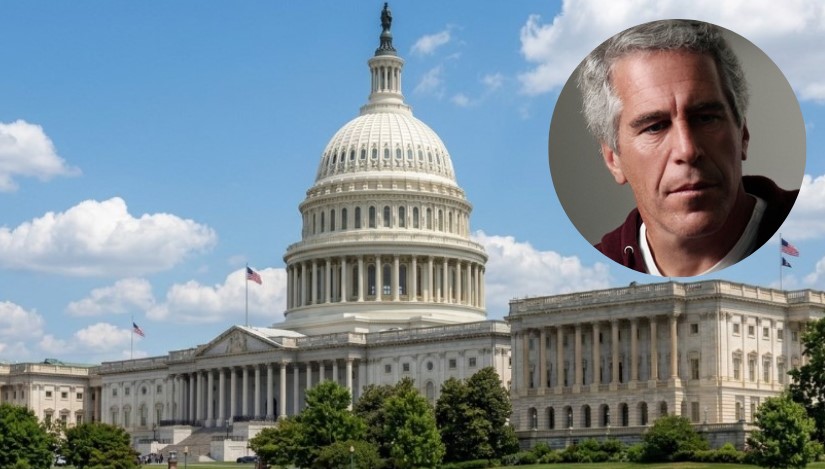

A new federal proposal would give Jeffrey Epstein survivors a direct path to court when the Justice Department withholds, redacts, delays, or fails to produce records covered by federal disclosure law. H.R. 9694, called the Epstein Files Transparency Act II, was introduced on July 15, 2026.
Under the official bill text, a survivor could sue the U.S. attorney general, seek records concerning their own abuse, and request monetary relief, legal costs, and attorney’s fees.
The measure remains a proposal. As of August 5, it had been referred to the House Judiciary Committee and had received no committee or floor vote.
Its importance lies in the enforcement tool it would create: survivors could ask a federal judge to compel compliance rather than continue waiting for the department to police itself.
What Would the Epstein Files Transparency Act II Change?
H.R. 9694 adds a private right of action to the disclosure law Congress passed in 2025. A private right of action is legal permission for an affected person to bring a lawsuit under a specific statute.
Survivors Could File in Federal Court
A survivor alleging unlawful withholding, redaction, delay, concealment, removal, or failure to respond could sue in Washington, D.C., or in a federal district court in their home state. The draft directs courts to move such cases forward as quickly as practicable.
Available remedies would include a declaration that the attorney general violated the law, an injunction ordering compliance, monetary relief, litigation costs, reasonable attorney’s fees, and other equitable relief.
The bill sets no fixed damages amount, so any award would depend on later litigation and judicial interpretation. The full range of proposed remedies appears in the draft legislation.
Survivors Could Obtain Their Own Records
The proposal would require the attorney general to provide a survivor with full, unredacted records that identify, quote, summarize, or otherwise concern that survivor or the harm they suffered. Covered material would include FBI FD-302 reports, the forms agents use to memorialize interviews.
Information identifying another survivor could still be removed, along with private medical material belonging to someone else. A requester would gain access to their own file trail, rather than every other survivor’s history.
State Prosecutors Would Gain Wider Access
State attorneys general, district attorneys, and other authorized state officers could sue over noncompliance. They could obtain unredacted records needed for investigations or court proceedings, with classified material reviewed through secure procedures.
New Mexico Attorney General Raúl Torrez supports the proposal while seeking records connected to Epstein’s Zorro Ranch. According to the sponsors’ announcement, heavily redacted federal material has hindered a state investigation, giving the bill a real-world test case.
Why Did Congress Write a Sequel?
View this post on Instagram
The original Epstein files law became Public Law 119-38 on November 19, 2025, after a 427-1 House vote and Senate passage by unanimous consent. It ordered the Justice Department to publish searchable, downloadable copies of unclassified Epstein-related records within 30 days, subject to limited exceptions.
The law covered investigative files, travel records, immunity agreements, internal charging discussions, records about Epstein’s detention and death, and material related to Ghislaine Maxwell.
Victim identities remained protected, while records threatening an active federal investigation could be withheld temporarily. The enacted statute spells out those disclosure categories and exemptions.
The Release Produced Competing Accounts
In a January release statement, the Justice Department said it had published nearly 3.5 million pages, more than 2,000 videos, and 180,000 images. Officials said unproduced material consisted of duplicates, privileged records, statutory exceptions, or unrelated documents.
Bill sponsors say millions of responsive records remain unavailable and many public redactions exceed the law’s limits. Survivors and lawmakers have also accused the department of exposing victim information while shielding names tied to possible wrongdoing.
Coverage of the dispute has detailed survivor concerns about redactions, while the Justice Department has defended its overall production and said reviewers were instructed to protect victims.
The First Law Lacked a Clear Enforcement Route
Public Law 119-38 imposed disclosure duties without expressly giving survivors a case-specific right to sue under the act and seek the remedies listed in H.R. 9694. Once disputes moved from statutory wording to agency conduct, that omission became central.
H.R. 9694 answers several practical questions. It identifies who may sue, where a case may be filed, what records may be requested, and what a judge may order after finding a violation.
What Could a Lawsuit Actually Accomplish?
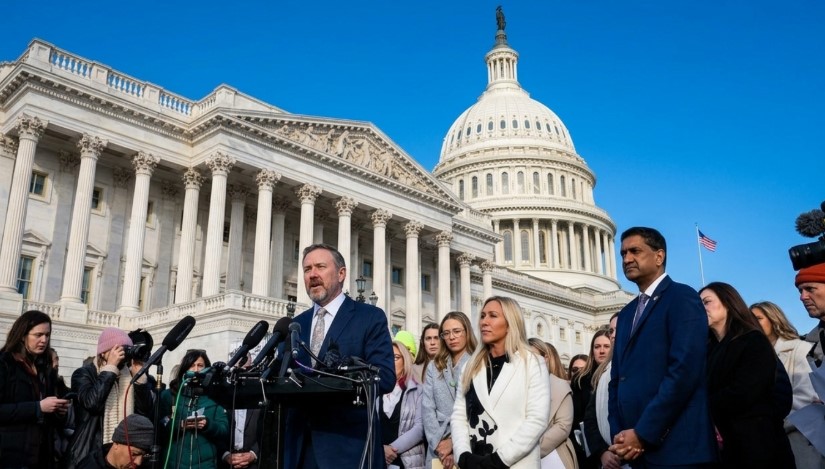
A successful case could force the Justice Department to explain a redaction, produce a record, or stop an unlawful delay.
Fee awards could make representation more practical for survivors facing a resource-heavy federal defendant.
Legal representation in sexual-misconduct cases can involve very different roles and jurisdictions; anyone seeking an example of how Canadian sexual assault lawyers approach criminal-defence matters can visit site.
Monetary Relief Is Possible, Not Guaranteed
The bill authorizes monetary relief without creating an automatic payment. A plaintiff would still need a valid claim and sufficient proof. Courts would decide how the remedy interacts with sovereign immunity, causation, and measurable harm.
For state-related claims, the draft defines harm broadly. Examples include investigative interference, harassment, informational injury, an inability to corroborate a report, and financial loss above $100.
Criminal Penalties Would Require Separate Proof
The proposal points to existing federal laws covering false statements, obstruction, record falsification, and unlawful removal of government documents.
Justice Department, FBI, and U.S. attorney’s office personnel could face penalties when every statutory element and required state of mind is proven.
A civil ruling would not automatically produce criminal charges. Any prosecution would require a separate investigation and proof beyond a reasonable doubt.
Every Page Would Not Become Public
Victim privacy, child sexual abuse material, graphic images, and active investigations remain sensitive categories. Records given to one survivor could still protect other survivors’ identities.
Prosecutors could review classified information under controlled conditions while public access remained restricted.
The proposal also bars the Justice Department from using broad common-law privileges, including deliberative process and attorney work-product, beyond exceptions expressly allowed by statute. Each redaction would require its own written justification.
How Is the Bill Different From FOIA?
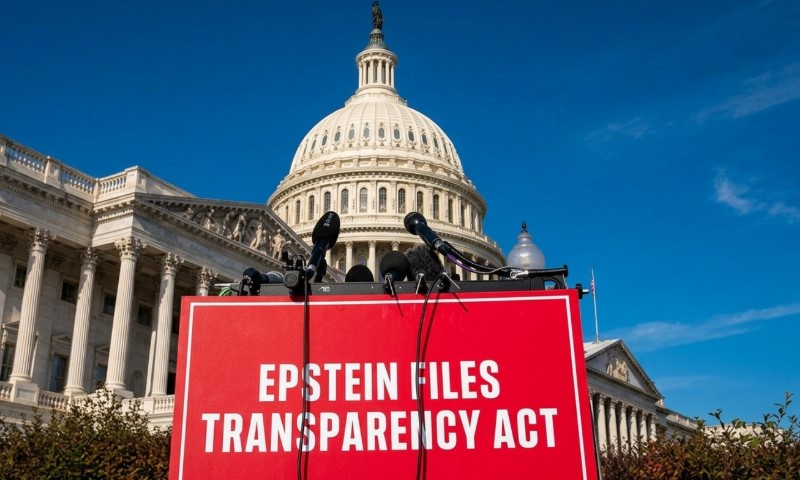
The Freedom of Information Act already lets requesters challenge improper withholding in federal court.
A FOIA legal overview from the Congressional Research Service explains that judges may order an agency to produce records and review withholding decisions afresh.
H.R. 9694 creates an Epstein-specific route aimed at survivors. It recognizes their standing, allows filing in a survivor’s home state, requires access to unredacted self-related records, permits monetary relief, and directs courts to expedite cases. FOIA would remain available to journalists, researchers, and members of the public.
A Separate Bill Addresses Exposed Survivor Data
The REDACT Act proposal, introduced one day before H.R. 9694, focuses on survivor information that the Justice Department allegedly published without adequate protection.
Sponsors say the department retracted about 9,500 documents containing survivor information and that nearly 100 survivors were affected. EFTA II targets withheld or improperly redacted records. The REDACT Act targets harmful disclosure, creating a parallel route for compensation and court orders.
What Happens Next?
The current legislative record lists H.R. 9694 as pending in the House Judiciary Committee. A committee could hold hearings, revise the language, or send the bill to the House floor. Passage would then require Senate approval and the president’s signature.
Sponsors have threatened a discharge petition if House leaders fail to act. That procedure can force a floor vote after 218 representatives sign. The first Epstein Files Transparency Act reached the floor through a similar campaign, according to Representative Thomas Massie’s petition announcement.
For survivors, the proposal’s central promise is control over records carrying their names, interviews, and histories. A black rectangle across an FBI report can represent years of unanswered questions. H.R. 9694 would let a survivor place that dispute before a judge. Its legal machinery is detailed. Its political future remains open.