


In 2026, brands are rewriting influencer deals because AI-generated posts, virtual creators, cloned voices, synthetic models, and AI-edited demos can make paid content look real when it is partly or fully manufactured.
Marketing teams are not abandoning creators. They are adding disclosure rules, proof-of-use requirements, likeness permissions, provenance checks, and stricter approval rights before posts go live.
The risk is now commercial and legal: the U.S. Federal Trade Commission says influencer endorsements need clear disclosure of material connections, while its review rule also covers fake testimonials from people who do not exist, including AI-generated reviews, according to FTC endorsement guidance.
Influencer Marketing Still Works, but Trust Is Under Pressure

Brands are tightening creator contracts because the channel still performs. A 2025 Sprout Social report, cited by Chief Marketer, found that 59% of all marketers and 69% of U.S. marketers planned to partner with more influencers during the year. Only 4% planned to reduce influencer marketing investment.
The same report said 92% of marketers agreed sponsored influencer content had more reach than organic brand posts, while 90% said it had more engagement.
That performance creates a sharper problem. A human creator using AI to edit captions is one matter. A synthetic person saying they use a skin serum, fitness app, or financial product is another.
In 2026, the key contract question is simple: could AI make the audience believe a false person, false experience, or false result is real?
For brands managing many creator relationships at once, tools such as Data365 can support a more data-led review process by helping teams monitor public creator activity, engagement patterns, and campaign signals before a partnership goes live.
What “Real” Means in Creator Deals Now
Real influencer content means that the person, experience, product use, and audience signals are not materially misrepresented. A creator can still use editing tools, scripts, or AI assistance. The issue is whether viewers are led to believe something human, personal, or experiential happened when it did not.
Platform rules now reinforce that standard. TikTok’s AI policy says creators must label realistic AI-generated images, audio, and video, and may apply automatic labels when Content Credentials are attached.
TikTok also says AI content can violate policy if it falsely shows public figures making endorsements or uses a private adult’s likeness without permission.
Meta has also said it will label photorealistic AI images on Facebook, Instagram, and Threads when technical signals show AI involvement, according to Meta’s AI labeling update.
Deal Clauses Are Getting More Specific
Old influencer contracts often focused on deliverables, approval timing, usage rights, and hashtag disclosure. Newer agreements need clearer language about synthetic media, especially when AI changes identity, appearance, voice, product use, or customer evidence.
| Risk area | Why it matters | 2026 contract response |
| Synthetic creator | Viewers may believe a human influencer exists | Require AI identity disclosure |
| AI-edited face or body | Beauty, wellness, and fitness claims can mislead | Ban material alteration without approval |
| Voice or likeness clone | Consent and publicity rights may be triggered | Require written permission |
| AI-generated testimonial | Fake experience can look like customer proof | Ban reviews from nonexistent people |
| AI product demo | Product capability may be exaggerated | Require raw footage or substantiation |
The FTC’s final review rule directly affects influencer-style content when a post functions like a testimonial.
The rule prohibits fake or false consumer reviews, consumer testimonials, and celebrity testimonials, including cases where the reviewer does not exist or did not have actual product experience.
It also addresses fake social media indicators, such as bot-generated followers or views, when used for commercial influence.
Disclosure Is Becoming a Brand Asset
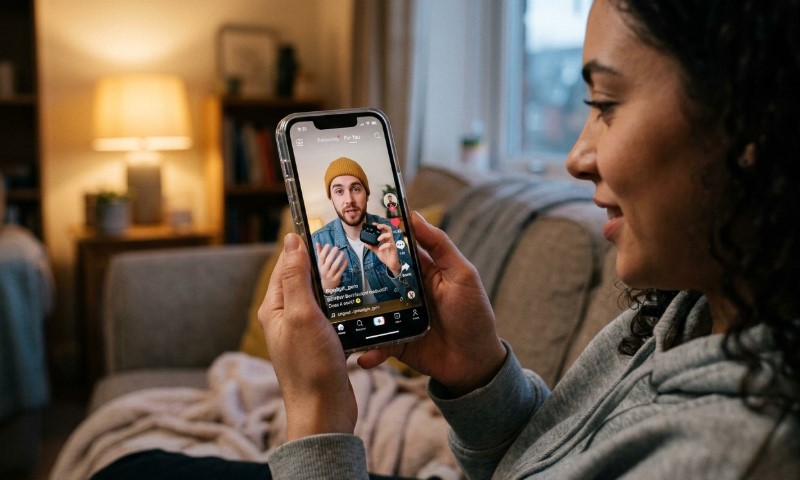
Disclosure used to feel like a compliance footnote. In 2026, it is part of brand positioning. The Interactive Advertising Bureau released its first AI Transparency and Disclosure Framework on January 15, 2026, giving advertisers a risk-based model.
The IAB framework says disclosure should be required when AI materially affects authenticity, identity, or representation in ways that could mislead consumers, while routine production tasks do not need blanket labeling.
The distinction matters. A creator using AI to organize shoot notes does not need the same label as a creator using a generated face to appear younger. A travel creator improving color balance is different from placing themselves at a hotel they have never visited.
Plain wording works better than vague language. Strong disclosure examples include:
- “AI-generated model”
- “Voice recreated with permission”
- “Background generated with AI”
- “Image includes AI-assisted editing”
Labels like “digitally enhanced” leave too much room for doubt because they rarely tell viewers what changed.
Virtual Influencers Are Useful, but Riskier in High-Trust Categories
Virtual influencers can offer control, predictable scheduling, multilingual output, and lower production friction. They also remove the lived experience that makes creator marketing persuasive.
A virtual fashion model can show a jacket’s styling. A virtual patient should not describe real treatment experience.
A synthetic fitness persona should not imply human training results. In beauty, health, finance, education, and travel, audience trust often depends on whether a person actually used the product or service being promoted.
New state rules add pressure. New York’s 2025-A8887B requires advertisements to disclose the use of a synthetic performer and sets civil penalties of $1,000 for a first violation and $5,000 for later violations.
New York bill text says covered advertisements must conspicuously disclose that a synthetic performer appears when the advertiser has actual knowledge.
Some Brands Are Selling the Opposite: No AI
View this post on Instagram
Some brands now use “no AI” as a trust signal. Aerie, the American Eagle lingerie and activewear brand, expanded its long-running “Aerie Real” positioning with a Pamela Anderson campaign and a pledge against AI-generated people or bodies.
Marketing Dive reported that Aerie posted a 9% comparable sales increase for 2025 and a 23% Q4 comparable sales increase.
Aerie’s strategy shows a split in the market. Some brands will use synthetic creators openly for fantasy, gaming, and stylized fashion campaigns. Others will sell human proof: real models, real locations, real product testing, and real flaws.
The risky middle ground is undisclosed synthetic content presented as ordinary creator reality. That is where trust breaks first, especially when a campaign uses AI to make results look more personal, more natural, or more widely experienced than they are.
Global Campaigns Need Market-by-Market AI Rules
Brands with international campaigns need more than a standard U.S. influencer disclosure clause. The European Commission says Article 50 of the EU AI Act covers transparency obligations for marking and detecting AI-generated content, plus labeling deepfakes and certain AI-generated publications. EU AI Act guidance notes that relevant transparency rules take effect in August 2026.
For a global campaign, one creator post may need to satisfy platform policy, FTC expectations, EU AI Act transparency duties, state advertising rules, and local publicity rights.
A single caption approval workflow is no longer enough for a campaign that uses synthetic faces, AI voiceovers, translated creator ads, or virtual ambassadors.
A Practical Checklist for Safer Influencer Deals
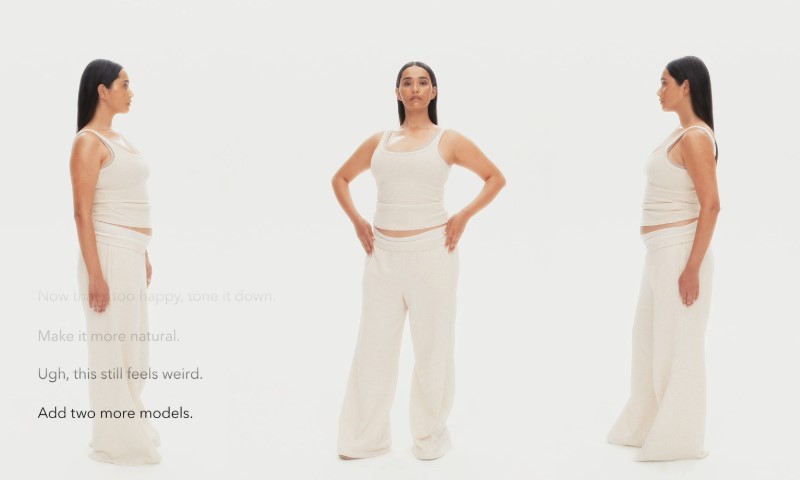
A stronger 2026 influencer agreement should make AI use visible before it becomes a brand problem. The safest contracts define what counts as AI-generated content, what needs approval, and what must never be faked.
- Require written disclosure of AI-generated or AI-altered people, voices, reviews, product scenes, or claims.
- Require approval before synthetic likeness, voice cloning, face alteration, or body alteration appears.
- Ban fake testimonials, fake engagement, and fabricated product experience.
- Require access to raw files, analytics, and platform labels when a claim or metric is disputed.
- Clarify ownership and usage rights for AI-assisted creative assets.
- Set separate rules for high-trust categories such as health, finance, beauty, parenting, and education.
The simplest rule is the strongest one: if AI changes what the viewer believes about identity, experience, product use, or results, disclose it before the audience has to guess.
Summary
AI is not ending influencer marketing. It is forcing brands to define authenticity with far more precision.
In 2026, the safest influencer deals name the humans involved, document product experience, require clear AI labels, protect likeness rights, and preserve proof behind every claim.
Brands that hide synthetic content inside “real” creator partnerships risk trust, platform penalties, legal exposure, and a campaign backlash that moves faster than any approval process.