
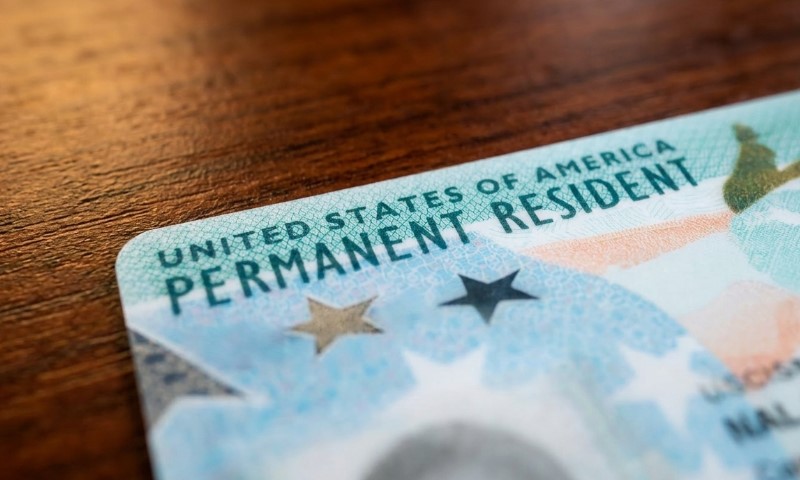

Green card applicants in 2026 face a harder U.S. immigration process because several pressure points are hitting at once: tighter USCIS vetting, new uncertainty around adjustment of status, higher practical costs, visa bulletin backlogs, public charge policy shifts, and heavier consular burdens for people applying from abroad.
The biggest change is not a single form. It is the way risk has moved into nearly every stage of the case.
For a marriage-based applicant, an H-1B worker, a family-sponsored sibling, or an employment-based applicant from India, the question is no longer only, “Am I eligible?” The better question in 2026 is, “Can I prove eligibility clearly, survive longer review, and avoid a mistake that creates a delay or denial?”
Why The Green Card Process Feels Tougher In 2026
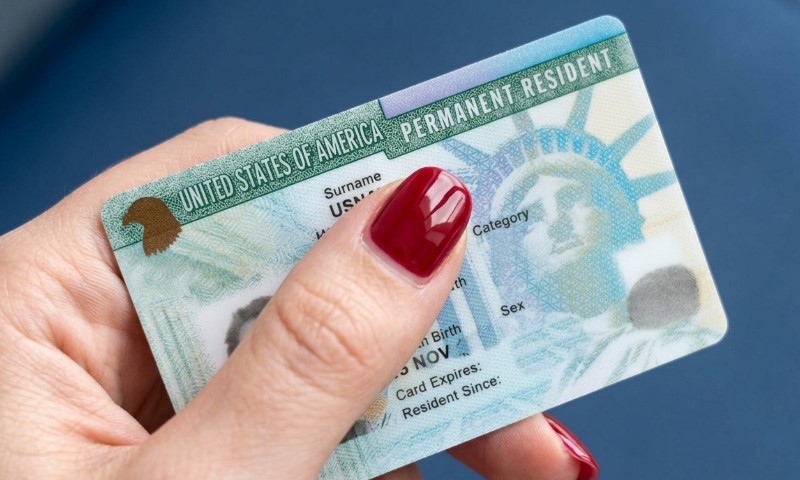
The green card process is tougher in 2026 because USCIS and the State Department are applying more scrutiny to eligibility, discretion, background checks, public charge risk, and visa availability.
In March 2026, USCIS announced strengthened screening and vetting, including more social media and financial vetting, community interviews, and added background checks. That matters because many green card cases now depend on consistency across forms, employment history, public records, online presence, tax records, and prior visa filings. A small mismatch can invite extra questions.
A second pressure point came in May 2026, when USCIS issued Policy Memorandum PM-602-0199 on adjustment of status, describing adjustment as discretionary and tied to “administrative grace.”
USCIS also released a statement saying adjustment of status would be granted only in extraordinary circumstances, though later public interpretation shifted toward case-by-case handling rather than a clean blanket rule.
That uncertainty is enough to change applicant behavior. People already in the United States may now think harder before relying on domestic green card processing, especially if their status history is messy, their work authorization depends on a pending case, or travel abroad could trigger separate admissibility problems.
Adjustment Of Status Vs. Consular Processing In 2026
Adjustment of status lets an eligible person already in the United States apply for permanent residence without leaving the country. Consular processing requires applying for an immigrant visa through a U.S. embassy or consulate abroad.
| Path | Where It Happens | Main 2026 Risk | Human Consequence |
| Adjustment of status | Inside the U.S., through USCIS | More discretionary scrutiny | Applicant may stay with family or employer, but may face longer review and extra evidence demands |
| Consular processing | Abroad, through State Department | Travel, interview access, public charge, visa pauses | Applicant may face separation, cost, and risk of being stuck outside the U.S. |
| Employment-based green card | USCIS or consulate, depending on location | Visa bulletin retrogression and job continuity | Worker may wait longer even after employer sponsorship |
| Family-based green card | USCIS or consulate | Status history, affidavit of support, admissibility | Families may face delay or separation |
The practical difference can be severe. A person who leaves the United States for consular processing may face reentry bars if they previously spent time in unlawful presence. Immigration lawyers often treat departure as one of the highest-risk decisions in a case, not a routine travel step.
According to the American Immigration Council, FY 2023 had 608,260 people becoming lawful permanent residents through adjustment of status while living in the United States, compared with 564,660 arriving from abroad. That scale explains why even ambiguous adjustment-of-status guidance causes panic among applicants, employers, and families.
Visa Bulletin Backlogs Are Still A Major Barrier
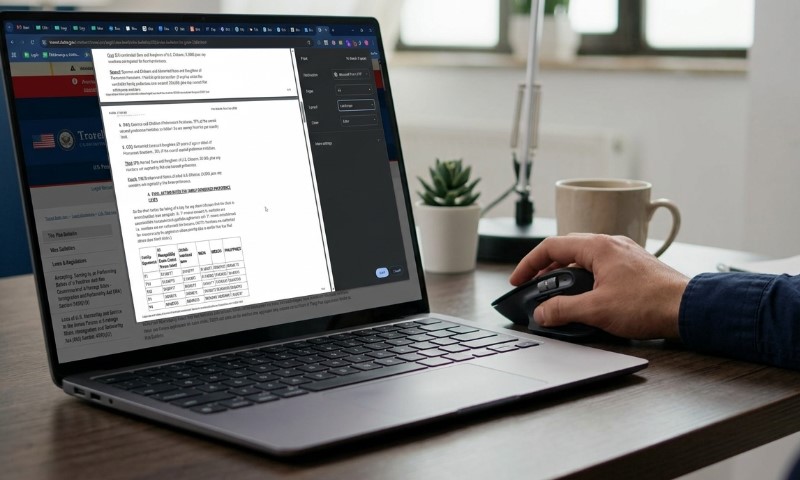
A green card case cannot be approved in many family and employment categories unless a visa number is available. The State Department’s June 2026 Visa Bulletin explains that final action dates and filing dates control when applicants may move forward, and that oversubscribed categories are held back when demand exceeds annual limits.
The legal limits are tight. For fiscal year 2026, the family-sponsored preference limit is 226,000, while the worldwide employment-based preference level is at least 140,000. The per-country limit is 7% of the combined family and employment preference limits.
For applicants from India, pressure is especially visible. High demand in EB-1 and EB-2 India forced retrogression of final action dates in June 2026, with further retrogression or unavailability possible if limits are reached before the fiscal year ends.
That means a highly qualified applicant can still be stuck. Eligibility, job sponsorship, and an approved petition do not guarantee immediate permanent residence when visa numbers are unavailable.
Higher Fees Make Mistakes More Expensive
Green card applicants in 2026 need a cleaner filing strategy because fees are high and rejected filings can reset timing.
USCIS warns that many immigration forms require correct filing fees and that incorrect fees can cause rejection. The agency’s fee schedule lists the Form I-485 paper filing fee at $1,440 for many adjustment applicants.
A rejected I-485 is not a minor inconvenience. It can mean a lost filing window, a missed visa bulletin date, delayed work authorization, or extra legal fees. For families filing multiple applications, the cost multiplies quickly.
Employment-based applicants may also face premium processing costs at earlier stages, especially when a Form I-140 immigrant worker petition is involved. Premium processing may speed up an eligible petition decision, but it does not create a visa number and does not guarantee approval. That distinction is easy to miss.
Medical Exams And Paperwork Timing Matter More

Green card medical exam rules now require more attention because Form I-693 timing can affect case readiness.
USCIS changed policy in 2025 so that a Form I-693 signed by a civil surgeon on or after November 1, 2023, is no longer indefinitely valid across future cases. Under the revised Form I-693 policy, the medical form is tied to the associated application or request, and older broad validity treatment no longer applies.
For applicants, the practical lesson is simple: do not treat the medical exam as reusable paperwork forever. If an I-485 is denied, withdrawn, or later refiled, a new medical may be needed. That can add cost, scheduling problems, and delay, especially in cities where USCIS civil surgeon appointments are limited.
The same timing pressure applies to foreign-language medical records, where a certified translation through Rapid Translate may help applicants keep the filing package easier to review.
Public Charge Is A Moving Target
Public charge remains one of the most confusing areas for green card applicants in 2026 because different rules and guidance can affect people inside and outside the United States differently.
DHS proposed in November 2025 to rescind the 2022 public charge regulations. The Federal Register notice says DHS views the 2022 regulations as inconsistent with the statute and not the best implementation of public charge law.
But a proposed rule is not the same as a final rule. The Immigrant Legal Resource Center stated in its June 2026 update that the 2022 rule remains current policy for USCIS cases inside the United States while the proposed rescission is not yet in effect. It also warned that consular applicants abroad face separate State Department guidance that may expand public charge denials.
For readers, the safest answer is less exciting but more useful: do not drop health care, nutrition, or housing support out of fear without checking current eligibility and immigration advice. Public charge does not apply to everyone, and benefit eligibility rules are separate from green card admissibility rules.
Consular Applicants Face Added Travel And Access Problems
Applicants outside the United States may face tougher logistics in 2026, especially in countries where consular capacity is reduced or visa issuance is paused.
The State Department announced that, effective January 21, 2026, immigrant visa issuance was paused for nationals of listed countries under public charge-related review. AP also reported that the State Department planned to reduce visa-processing posts in Africa from almost 50 embassies and consulates to 20 hubs, forcing some applicants to travel farther for interviews.
That added travel burden is not abstract. A family may need passports, flights, hotel stays, time off work, medical exam scheduling, police certificates, and translation support. A missed document can mean another trip or months of delay.
What People Usually Miss About A Tougher Process
Many applicants focus only on approval odds, but timing risk often causes the bigger problem.
A green card case can be legally strong and still become painful because work authorization expires, a child nears age-out risk, an employer changes roles, a marriage interview needs more proof, or a visa bulletin date moves backward.
In 2026, the best-prepared applicants are not only proving eligibility. They are protecting backup options.
Practical decision points include:
- Filing only when forms, fees, signatures, and editions match current USCIS rules
- Keeping clean records of every address, job, trip, arrest, visa denial, and status change
- Avoiding international travel before legal review if unlawful presence or pending adjustment issues exist
- Saving copies of tax returns, pay records, lease documents, marriage evidence, and prior immigration filings
- Watching the monthly Visa Bulletin before making job, school, or travel decisions
A popular mistake is assuming that a pending green card case makes travel safe. It may not. Advance parole, visa validity, unlawful presence history, and consular risk need separate review.
Who Faces The Most Pressure In 2026?
The toughest 2026 green card environment likely affects applicants with status gaps, old visa violations, criminal history, weak financial sponsorship, countries affected by visa pauses, or backlogged employment categories.
Employment-based applicants from India face especially visible backlog risk because EB-1 and EB-2 India retrogressed in the June 2026 Visa Bulletin. Family applicants abroad may face longer consular obstacles if they live far from designated visa hubs or fall under paused visa issuance categories.
Marriage-based applicants inside the United States may still have a viable route, but a weak evidence file can invite more questioning. No single group should assume automatic denial. But no applicant should assume routine approval either.
Summary
Green card applicants in 2026 are dealing with a stricter, less predictable U.S. immigration process. USCIS vetting is broader, adjustment of status is under sharper discretionary review, visa bulletin backlogs remain severe, medical paperwork timing matters, and consular applicants may face higher travel and public charge risk.
The best response is not panic. It is preparation. Applicants need current forms, correct fees, consistent records, realistic timing expectations, and legal advice before travel or refiling decisions. In 2026, small mistakes carry bigger consequences.