
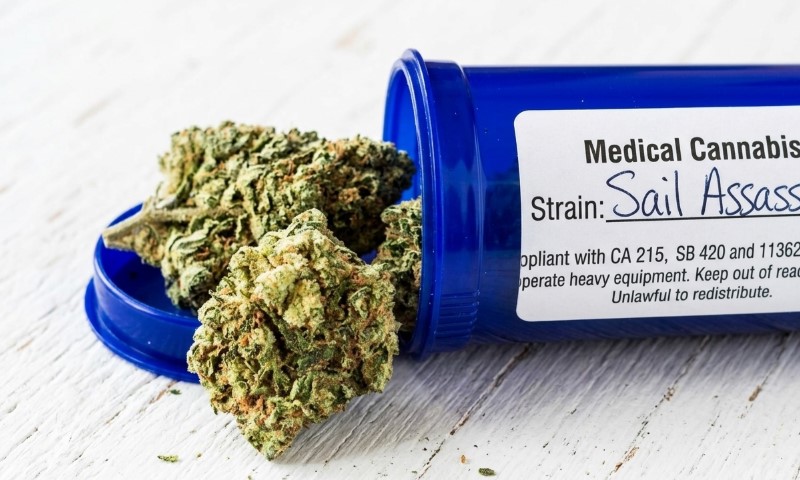

Georgia’s SB 220, formally named the Putting Georgia’s Patients First Act, changes the state’s medical cannabis program from a narrow low-THC oil system into a broader medical cannabis framework. Gov. Brian Kemp signed the bill on May 12, 2026, after bipartisan passage in both chambers.
For patients, the main changes are clear: Georgia replaces the old 5% THC oil cap with a 12,000 mg THC possession limit, adds qualifying conditions such as lupus and intractable pain, allows adults over 21 to use vaporization, and recognizes physical or electronic registry cards. Georgia still has no recreational marijuana law, and smoking remains banned.
What SB 220 Changes At A Glance
The law matters most for patients who found Georgia’s older low-THC oil wording too limited, especially people managing severe symptoms that did not fit neatly into the prior structure.
For readers comparing Georgia’s approach with other medical cannabis systems, the Releaf clinic is a useful example of how patient education often explains conditions, prescriptions, administration, and legal safeguards separately.
| Issue | Earlier Georgia Model | SB 220 Model | Practical Effect |
| Program language | Low THC oil | Medical cannabis | Clearer wording for patients, doctors, law enforcement, and licensed sellers |
| Possession rule | 20 fluid ounces of low-THC oil | Up to 12,000 mg THC in labeled products | Patients must track total THC across all packages |
| Product package | Oil-centered product access | Up to 1,200 mg THC per individual package | Labels and package math become legally important |
| Use method | Oil products dominated access | Vaporization allowed for patients over 21 | Some adults may get faster symptom relief, but public use stays restricted |
| Eligibility | Narrower condition list | Adds lupus and intractable pain, revises some condition wording | More patients can speak with a physician about eligibility |
From 5% THC To 12,000 Mg
SB 220 moves Georgia away from a potency-percentage model and toward a total THC possession model. The enrolled bill text says a registered patient may possess, purchase, or control products containing a cumulative total of 12,000 mg or less of THC, as long as the product is in a manufacturer-labeled pharmaceutical container.
A percentage cap limits how strong each product can be. A milligram cap changes the patient’s daily responsibility. A tincture, capsule pack, lotion, patch, or vapor product could all count toward the same total possession ceiling.
SB 220 also defines a product as a commercially available item containing or derived from medical cannabis, capped at 1,200 mg THC per individual package. The bill excludes hemp products and food products infused with medical cannabis, including cookies, candies, and edibles.
That detail is easy to miss. Medical cannabis does not mean a recreational dispensary menu. Georgia’s framework remains regulated, narrow, and tied to labeled products.
Who Qualifies Under SB 220?

SB 220 keeps physician certification at the center of access. The Georgia Department of Public Health says physician certification is the only way patients and caregivers can legally access low-THC oil through the state program, and the DPH registry page still identifies qualifying conditions and patient card requirements.
The updated law includes conditions such as cancer, ALS, seizure disorders tied to epilepsy or trauma-related head injuries, multiple sclerosis, inflammatory bowel disease, mitochondrial disease, Parkinson’s disease, sickle cell disease, Tourette’s syndrome, autism spectrum disorder, epidermolysis bullosa, Alzheimer’s disease, HIV Stage III, peripheral neuropathy, adult PTSD after direct trauma exposure or witnessing trauma, intractable pain, and lupus.
For lupus patients, SB 220 creates a direct eligibility route. For people with inflammatory bowel disease, revised wording may matter when the diagnosis is broader than Crohn’s disease. For patients dealing with long-term pain, the intractable pain definition is not casual pain.
The law describes it as pain with a cause that cannot be removed, after appropriate pain-management methods have been used for at least 6 months without adequate results or with intolerable side effects.
Does SB 220 Legalize Marijuana In Georgia?
No. SB 220 expands medical cannabis access, not recreational marijuana. Kemp’s signing statement says recreational use was not part of the bill, while acknowledging that medical cannabis may provide meaningful relief for some patients whose symptoms might otherwise go untreated or be treated with more harmful opioids.
A registered patient within the legal possession limit has legal protection. A person without an active card, outside the program, or above the allowed THC limit can still face Georgia controlled-substance penalties.
Employment is another limit many patients overlook. SB 220 does not force an employer to allow cannabis use, possession, transfer, display, transport, purchase, sale, or cultivation. It also preserves written zero-tolerance policies covering on-duty use, off-duty use, or detectable marijuana in an employee’s system while at work.
For nurses, commercial drivers, warehouse workers, public-safety employees, and other safety-sensitive workers, medical eligibility does not equal job protection.
Vaporization Is Allowed For Adults, Smoking Is Still Banned
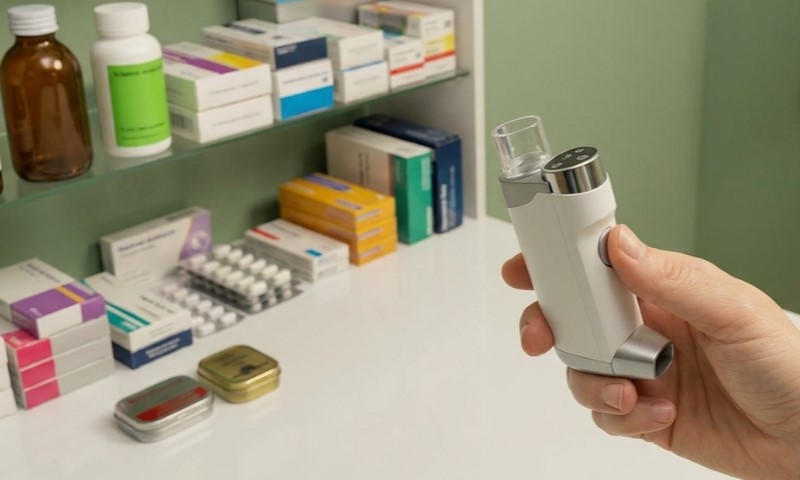
Adults over 21 may use vaporization under SB 220, but smoking or combustion remains illegal for every patient. The law also bars vapor-style use in public places and gives the Department of Public Health until January 1, 2027, to issue rules implementing that section.
Vaporization can matter because inhaled products may act faster than swallowed oil for some symptoms. That speed can help a patient managing sudden nausea, spasms, or pain spikes. It also creates more visible compliance risk.
A valid card does not make a parking lot, workplace, school event, hotel lobby, or stadium a safe place to use a vapor product.
What People Usually Miss About The 12,000 Mg Limit
The 12,000 mg figure is a possession ceiling, not a dosage guide. It does not tell a patient how much to take in a day, which product format is safest, or whether THC is appropriate alongside other medicines.
A patient who buys several packages could stay inside the law or cross the limit without noticing if package labels are not checked carefully. A practical habit matters here: keep products in original packaging, track THC milligrams, avoid informal transfers, and ask a physician or pharmacist about interactions if other medications are part of the treatment plan.
The FDA says it has approved one cannabis-derived drug, Epidiolex, plus three synthetic cannabis-related drugs, Marinol, Syndros, and Cesamet.
The agency also says it has not approved other cannabis, cannabis-derived, or CBD products on the market, and warns that unapproved products may vary in safety, effectiveness, potency, purity, and labeling accuracy through its FDA cannabis guidance.
For patients, the sensible question is not only whether SB 220 allows access. A better question is whether a specific product fits a specific symptom, risk profile, work situation, and daily routine.
What Changes For Dispensaries And Oversight?

SB 220 gives Georgia’s medical cannabis system more responsibility around education, testing, tracking, labeling, and enforcement.
The Georgia Access to Medical Cannabis Commission already directs patients toward card support, licensed dispensaries, and independent pharmacy information through its patient resources.
That matters because legal expansion does not automatically create easy access in every county. Product availability still depends on licensed operators, local inventory, rulemaking, pharmacy participation, physician willingness to certify patients, and whether a patient can travel to a lawful source.
For rural patients, the biggest issue may be distance. For people with chronic illness, the problem may be repeated trips, caregiver coordination, or waiting for specific products to be available. Legal access helps, but logistics still shape real access.
Best Next Steps For Georgia Patients
Patients considering medical cannabis after SB 220 should treat the law as a starting point, not a shortcut.
- Ask a Georgia-licensed physician whether the condition qualifies under the updated law.
- Confirm active registry-card status before buying or possessing any product.
- Use only licensed sellers, not informal sources.
- Track THC milligrams across every product package.
- Keep products in labeled manufacturer containers.
- Check workplace rules before using any THC product.
- Wait for final DPH rules before making assumptions about vapor products.
The least exciting advice is also the safest: do the paperwork first, buy through lawful channels, and keep records clean. For a patient dealing with severe symptoms, that may feel slow. It is still better than losing legal protection over a packaging mistake, public-use violation, or job-policy conflict.
Final Takeaway
SB 220 is Georgia’s most important medical cannabis update in years because it changes the program’s basic structure. The state moves from low-THC oil language toward regulated medical cannabis measured in milligrams, adds important qualifying conditions, and permits vaporization for adults over 21.
The law remains cautious. No recreational legalization. No smoking. No broad job protection. No guarantee that every patient will find nearby products right away.
For 2026, the best reading is balanced: SB 220 gives more Georgia patients a legal path to medical cannabis, but it also makes patient responsibility more important. Eligibility, card status, THC totals, product labels, workplace rules, and public-use limits all matter.