
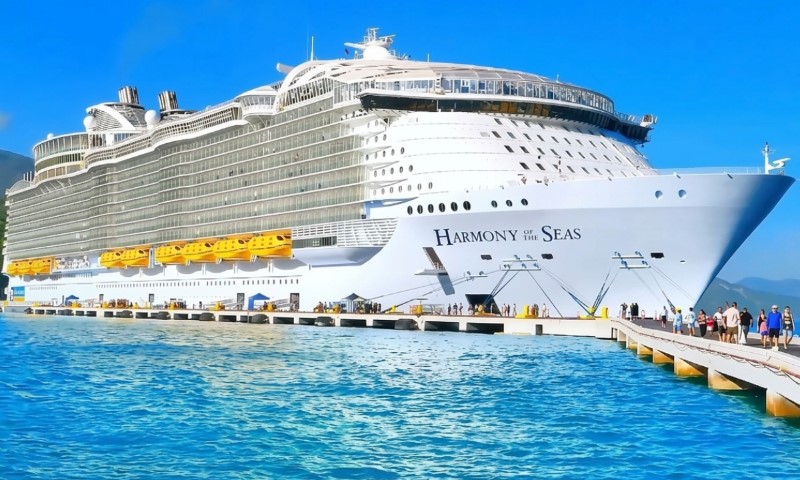

A routine stop at the restroom before an evening show allegedly became a medical emergency for Royal Caribbean passenger LeAnn Carpenter. The Texas resident says an access panel behind a toilet aboard Harmony of the Seas detached, struck her head, and knocked her to the floor on May 15, 2025.
Carpenter filed a federal lawsuit on August 11, 2026, accusing Royal Caribbean Cruises Ltd. of negligence. She claims the impact caused a traumatic brain injury, spinal damage, and lasting cognitive and psychological symptoms. The complaint seeks damages exceeding $75,000 and requests a jury trial.
A complaint presents one party’s account. No court has found Royal Caribbean liable, and the cruise line had issued no public response when the case was first reported.
What Does LeAnn Carpenter Say Happened?
Carpenter was traveling as a paying passenger aboard Harmony of the Seas. According to People’s account of the complaint, she entered a passenger restroom before attending a performance in the Royal Theater.
While she was using the toilet, a wall or access panel positioned directly behind it allegedly came loose without warning. Carpenter says the panel hit her on the head and caused her to fall.
The fixture has sometimes been described as a cabin panel, although available complaint summaries place the incident in a public restroom. Such panels allow maintenance personnel to reach plumbing, utility lines, and other equipment concealed inside a wall.
A detailed court-filing summary says the panel should have been held in place by latches, locks, tethers, or retaining cords. Carpenter alleges that fastening hardware may have been absent, defective, disengaged, or improperly secured after earlier maintenance.
How Was Carpenter Treated After the Incident?
The complaint says Carpenter experienced an immediate change in awareness and lost portions of her memory surrounding the impact. Crew members reportedly transported her by wheelchair to the ship’s medical center, where she was evaluated, monitored, and given intravenous therapy.
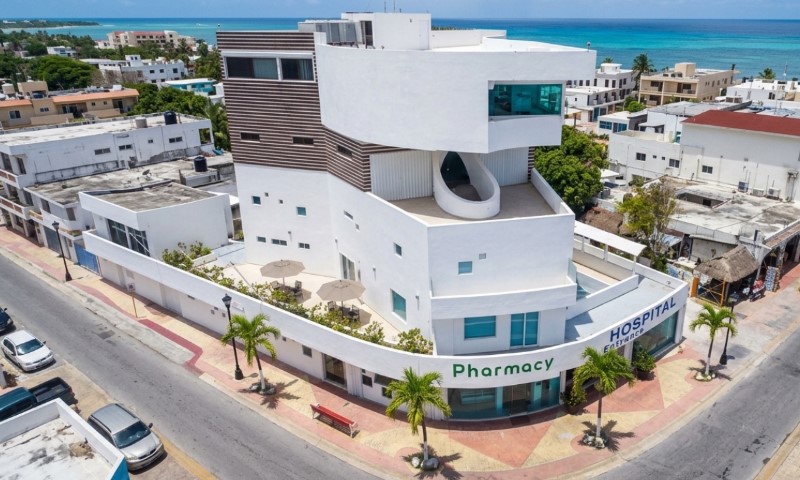
An onboard physician later directed her to Cozumel International Hospital in Mexico. Medical personnel there performed CT imaging of her head or skull, according to the filing.
Carpenter says she continued receiving treatment after returning to the United States. Her alleged care has included neurological and psychological evaluations, diagnostic imaging, pain management, physical therapy, and treatment for spinal symptoms.
Her reported difficulties include memory impairment, reduced concentration, trouble finding words, anxiety, depression, post-traumatic stress symptoms, fear of driving, and diminished independence.
Several symptoms named in the lawsuit also appear in CDC symptom guidance. The agency lists memory and concentration problems, anxiety, sadness, headaches, dizziness, and difficulty thinking clearly among possible effects of mild traumatic brain injury or concussion.
Medical records and expert testimony will determine whether Carpenter’s diagnoses and continuing problems can be linked to the alleged impact.
What Are the Negligence Claims Against Royal Caribbean?
@mandythecruiseplanner A Royal Caribbean cruise passenger sues for traumatic brain injury. #cruise #cruisetok #royalcarribean
The lawsuit advances three main theories under general maritime law:
- Royal Caribbean allegedly failed to identify and correct an unsecured or defective panel.
- The company allegedly failed to warn Carpenter about a concealed hazard.
- Royal Caribbean is allegedly responsible for negligent work performed by crew members or representatives who inspected, opened, serviced, or closed the panel.
Carpenter argues that an ordinary passenger could not see the fastening mechanisms because they were concealed behind the fixture. She also claims Royal Caribbean possessed better access to maintenance records, inspection schedules, and information about earlier work in the area.
The complaint offers possible explanations for the panel’s condition. A crew member may have opened it and failed to secure it properly, or its hardware may have been damaged long enough for a reasonable inspection to reveal the problem. Evidence gathered during litigation will be needed to test either theory.
What Must Carpenter Prove?
Cruise operators owe passengers reasonable care under the circumstances. Liability does not automatically follow whenever an injury happens aboard a ship.
Under relevant Eleventh Circuit precedent, a passenger pursuing a dangerous-condition claim generally must show that the operator had actual or constructive notice of the risk. Actual notice means the company knew about the hazard. Constructive notice means the condition existed long enough, occurred often enough, or produced enough warning signs that the operator should have known about it.
Notice could become the central dispute in Carpenter’s case. Maintenance logs might show when the panel was last opened, who handled it, whether its fasteners were checked, and whether similar problems had previously been reported. Inspection procedures and testimony from engineering or housekeeping personnel may also matter.
Royal Caribbean could dispute the existence of a defect, prior notice, medical causation, or the extent of Carpenter’s claimed losses. No filed defense was publicly available in the initial reports.
Why Was the Lawsuit Filed in Miami?
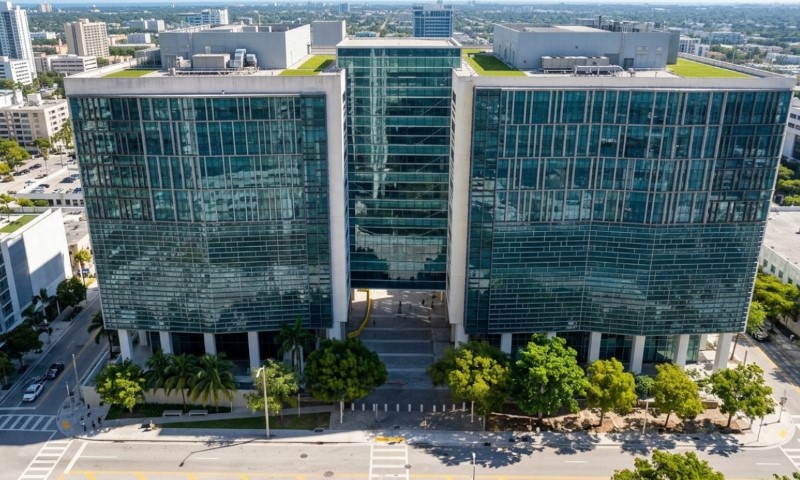
The case was filed in the U.S. District Court for the Southern District of Florida. The federal case docket lists it as Carpenter v. Royal Caribbean Cruises Ltd., case number 1:26-cv-25418, assigned to U.S. District Judge Beth Bloom.
Miami is a familiar venue for cruise litigation because major operators maintain headquarters there and passenger contracts commonly contain forum-selection clauses. Royal Caribbean’s current U.S. passenger contract directs covered personal-injury cases to the Southern District of Florida. It also generally requires written notice within six months and a lawsuit within one year of an injury.
Cruise-ticket deadlines can affect a passenger’s ability to pursue compensation. For guidance based on the terms of a particular ticket contract, Contact Brais Law Firm.
Carpenter filed roughly 15 months after the reported incident date. A cruise-industry report says Royal Caribbean had extended her filing deadline to August 12, 2026. Her attorneys filed the complaint one day earlier.
Does “More Than $75,000” Reveal the Lawsuit’s Value?
The figure supplies a legal threshold rather than a precise calculation of Carpenter’s demand. Her complaint reportedly seeks compensation for past and future medical expenses, pain, mental anguish, disability, impairment, and reduced enjoyment of life.
“Exceeding $75,000” does not create an award, guarantee a minimum recovery, or establish a ceiling. A settlement or verdict could depend on medical evidence, lost income, future treatment needs, the permanence of any impairment, and the strength of the liability claims.
Carpenter has requested a jury trial, although no trial date had been announced.
A Small Fixture on a Very Large Ship
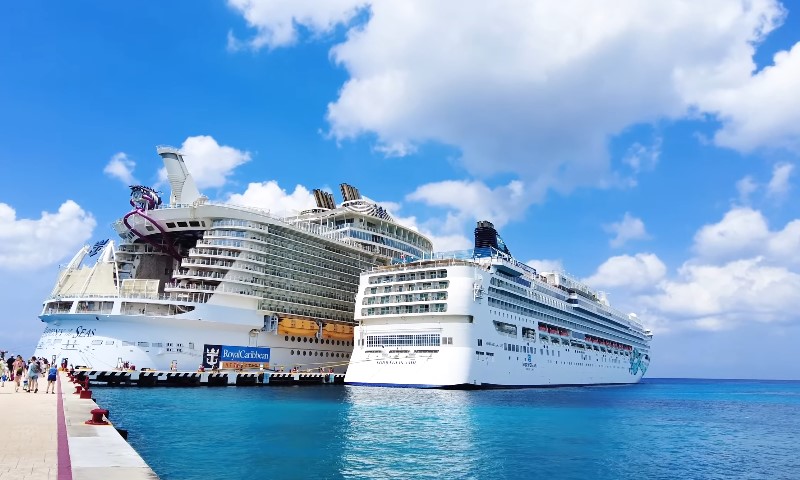
An access panel sounds mundane beside waterslides, theaters, and enormous open-air promenades. Its ordinary purpose makes the allegation memorable. Passengers rarely think about the latches holding a service panel in place.
The scale of Harmony of the Seas adds useful perspective. Royal Caribbean’s official Harmony specifications describe a 226,963-gross-ton vessel with 16 guest decks and capacity for roughly 5,500 passengers at double occupancy. Maintaining thousands of fixtures across a ship of that size requires repeatable inspection and repair procedures.
Carpenter’s lawsuit will focus closely on one panel, one restroom, and the maintenance history behind a concealed wall. So far, no public evidence indicates a fleet-wide panel problem.
Summary
Royal Caribbean can answer the allegations or ask the court to dismiss part or all of the complaint. If the case proceeds, both sides may request maintenance records, medical files, incident reports, photographs, and testimony from crew members and experts.
A settlement could resolve the dispute before trial. A jury would otherwise decide whether Royal Caribbean was negligent, whether any negligence caused Carpenter’s injuries, and what compensation is supported by the evidence.
For now, the central account remains an allegation: Carpenter says an unsecured fixture turned an ordinary restroom visit into an injury with effects lasting well beyond her cruise.