Skip to content
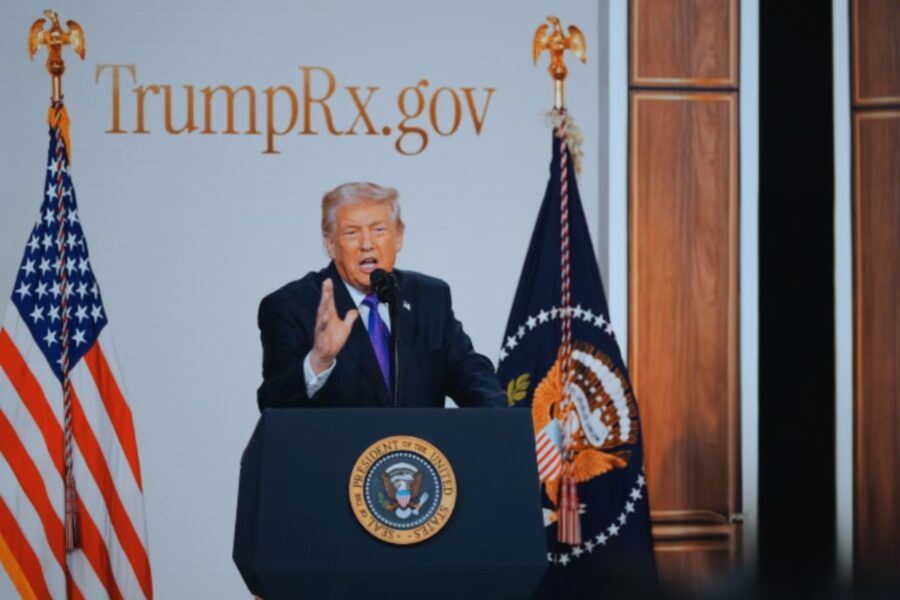

The Trump administration is betting that a new federal website can do what Congress and regulators have struggled to achieve for decades: make prescription drugs feel meaningfully cheaper at the pharmacy counter.
The site, TrumpRx.gov, launched this week with a pitch built for sticker shock. Americans, the administration argues, are paying far more than patients in other wealthy countries for the same branded medicines.
TrumpRx is presented as the shortcut, a public-facing portal that lets consumers search for a medication and access discounted prices through links to manufacturers and printable pharmacy coupons.
What TrumpRx is, and what it is not, matters. Early reporting across multiple outlets describes it less as a new insurance benefit and more as a government-backed entry point into discounted cash pricing, powered by an existing pharmacy-coupon infrastructure.
Table of Contents
ToggleHow TrumpRx Is Supposed to Work
The administration’s rollout describes a simple consumer flow: search a drug, see discounted options, then either buy through a linked channel or print a coupon for use at a retail pharmacy.
The initial list is roughly 40-plus brand-name medications, and public messaging highlights high-profile GLP-1 drugs such as Ozempic and Wegovy among the examples meant to signal immediate relevance.
A key operational detail is who is running the plumbing. Reuters and the Associated Press both report that the site is powered by GoodRx, the drug-discount company whose coupons are already widely used in the US cash-pay market. GoodRx itself says it is an “integration partner” powering pricing on the platform at launch.
The Policy Claim Behind the Launch: “Most Favored Nation” Pricing
The administration is tying TrumpRx to a broader pricing strategy framed as “Most Favored Nation” style agreements. The basic idea, as described in reporting, is that participating drugmakers would align certain US prices more closely with the lower prices paid in other developed countries, in exchange for avoiding tariff pressure from the White House.
Al Jazeera reported that 16 drug companies agreed to discount deals that would apply to government programs such as Medicaid and, via TrumpRx, to consumers. Reuters similarly described agreements with 16 major pharmaceutical companies connected to the program’s launch.
A White House fact sheet issued in December 2025 lays out the administration’s framing in more direct terms, including discounted direct-to-patient sales through TrumpRx as part of the agreements it announced at the time.
Reuters’ December 2025 reporting also described drugmakers agreeing to lower prices through TrumpRx and similar direct-to-patient channels after pressure from the administration.
The Biggest Question: Savings for Whom?
The political selling point is universal relief. The practical effect, at least initially, appears more limited.
Across reporting, TrumpRx is described as most directly aimed at uninsured people and cash-paying consumers, the group most likely to benefit from a coupon-driven model.
That distinction matters because many insured patients do not pay the list price for a drug, and their out-of-pocket costs are shaped by formularies, copays, coinsurance, and deductibles.
Reuters flagged a major complication: cash purchases tied to discount coupons may not count toward an insurance deductible, which can make a “cheaper today” price less attractive for people who need their spending to accumulate toward coverage thresholds.
Al Jazeera quoted KFF’s Juliette Cubanski raising doubts about how much the site helps insured patients, and warning that out-of-pocket costs could remain unaffordable for many even after discounts.
In other words, TrumpRx may reduce prices in specific, visible cases, while leaving the larger architecture of US drug pricing largely intact.
Why the Administration Is Doing This Now
High drug prices remain one of the most durable sources of public anger in American healthcare, and the Trump administration is packaging TrumpRx as a consumer-friendly intervention at a moment when cost-of-living politics are dominating national debate.
The Associated Press described the rollout in that context, noting the administration’s emphasis on affordability as a political issue.
Al Jazeera also placed the program inside a broader populist message aimed at pharmaceutical power, while pointing to the industry’s political footprint, including record lobbying spending cited through OpenSecrets figures reported in the piece.
What to Watch Next
Three near-term tests will determine whether TrumpRx becomes a meaningful policy lever or a high-profile coupon portal with limited reach.
- Independent verification of the “Most Favored Nation” claim. Details of pricing agreements, what drugs qualify, and how prices are calculated will determine whether the program is a true reset or a selective discount strategy. Al Jazeera noted prior concerns about confidentiality around deal terms.
- Whether insurers and pharmacies treat TrumpRx as complementary or disruptive. If consumers shift purchases outside insurance to access lower cash prices, the ripple effects could show up in deductibles, formularies, and patient behavior, the very uncertainty Reuters highlighted.
- Scale and durability. The launch list is finite, and the savings will be judged by whether the catalog expands, whether discounts persist, and whether the program changes net prices over time rather than offering a headline at rollout.
Related Posts:
- Safest Countries in the World in 2025 - GPI…
- 25 Most Dangerous Cities in US - Updated Statistics for 2026
- 13 Richest Cities in the US 2025 - Luxury, Money,…
- Capital Cities in Europe: Top Destinations For You…
- What Is the Most Dangerous Country in the World in 2025
- What ICE Does and Why It Matters - U.S. Immigration…