


For an American voter living in Paris, Tokyo, or São Paulo, a ballot can spend far more time in transit than the voter spends filling it out. A federal ruling in Boston has removed a new obstacle that could have interrupted that journey before the 2026 midterm elections.
On August 11, U.S. District Judge Indira Talwani issued a nationwide preliminary injunction blocking key U.S. Postal Service provisions of President Donald Trump’s election executive order.
The policy sought to tie USPS handling of federal mail ballots to new state-specific voter lists. Overseas Americans faced particular risk because many depend on absentee voting and cannot simply visit a local polling place if a mailed ballot runs into trouble.
What Did Judge Indira Talwani Block?
Trump signed Executive Order 14399, “Ensuring Citizenship Verification and Integrity in Federal Elections,” on March 31. Among its provisions, the order directed federal agencies to create citizenship-related voter lists and instructed USPS to develop a separate system for mail and absentee ballots.
Section 3 called for state-specific “Mail-In and Absentee Participation Lists.” USPS handling of federal mail ballots would depend on voters being enrolled in the relevant system. The order also called for secure ballot-envelope identifiers, including barcodes.
A June 25 court ruling had already declared Sections 2 and 3 legally void and blocked implementation for 23 states and the District of Columbia that sued. The First U.S. Circuit Court of Appeals later refused to lift that protection.
The August ruling came from a related challenge involving civic and voting-rights groups, including the Association of Americans Resident Overseas and U.S. Vote Foundation, and extended protection against the disputed USPS restrictions nationwide.
For voters, the practical result is straightforward. A newly created federal postal list cannot currently become a gatekeeper deciding whether USPS carries their federal-election ballot.
Why Were Americans Abroad Especially Exposed?
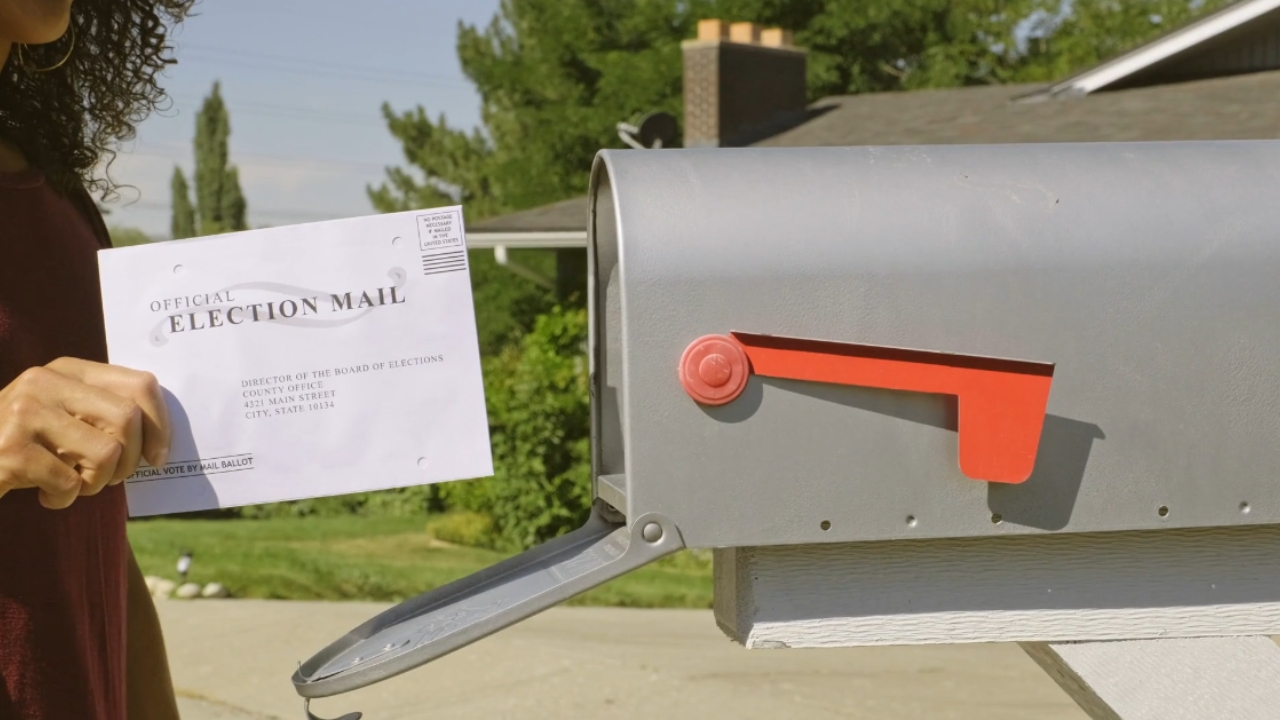
Congress created a dedicated federal framework for military and overseas voters in 1986. The Uniformed and Overseas Citizens Absentee Voting Act, commonly called UOCAVA, requires states and territories to let covered voters register and vote absentee in federal elections.
UOCAVA covers active-duty service members, eligible family members, members of the merchant marine, and qualified U.S. citizens residing outside the country.
Americans who establish long-term lives overseas may also need to maintain practical ties back home, from banking and official correspondence to a U.S. residential address. Savvynomad services are built specifically around that administrative challenge for Americans abroad.
Later changes under the MOVE Act added protections such as electronic delivery of blank ballots and a general requirement that properly requested ballots be sent at least 45 days before a federal election.
Mail often still matters when a completed ballot goes back. State rules vary, and some jurisdictions permit electronic return while others require a physical ballot.
Picture a voter in Germany who receives a blank ballot electronically, prints it, votes, and mails it back weeks before Election Day.
A mismatch or delay involving a new USPS participation list could have caused trouble even when the voter had followed state election rules. Someone living thousands of miles away usually has no realistic in-person fallback.
The State Department’s voting-from-abroad guidance advises overseas citizens to submit a Federal Post Card Application each year. Depending on state law, return options may include local mail, a U.S. embassy or consulate, express courier services, or electronic transmission.
What Was the Trump Administration Trying to Change?
View this post on Instagram
The White House presented Executive Order 14399 as an election-integrity measure aimed at citizenship verification and tighter controls for absentee and mail voting.
The plan directed the Department of Homeland Security, working with the Social Security Administration, to compile state citizenship lists. USPS was directed to create mail-ballot participation lists, introduce specified envelope features, and condition ballot transmission on enrollment in the new system.
A White House fact sheet said the measures would improve citizenship verification, ballot tracking, and election security.
Justice Department lawyers have also argued that court challenges arrived prematurely because federal agencies had not completed implementation.
Why Did the Court Find a Constitutional Problem?

Talwani’s rulings centered on who has legal authority to regulate elections. The Constitution gives states primary responsibility for election administration, while Congress has specified powers to alter rules governing federal elections.
The court found no comparable presidential authority allowing the executive branch to impose the disputed postal system.
The judge also concluded that Congress had not delegated authority to USPS to determine who may participate in mail voting. Turning the Postal Service into a checkpoint for voter eligibility therefore exceeded executive authority, according to the court.
During an earlier stage of the case, Talwani found a “plausibly likely and imminent” danger of disenfranchisement for members of the plaintiff organizations who depend on mail voting.
The court specifically recognized people living overseas among voters who could face harm, according to a Brennan Center analysis.
Timing increased the stakes. The November 3 midterms were less than 90 days away when the nationwide injunction arrived. Election offices and voters were already preparing under established state procedures, leaving little room for a new federal screening system without significant disruption.
Is the Fight Over?
No. The August injunction protects voters for now, while the legal dispute remains active.
The Trump administration again asked the Supreme Court to intervene to fully implement his executive order restricting the use of mail-in ballots ahead of the November midterm elections. https://t.co/ibisWgf2PJ
— Reuters Legal (@ReutersLegal) August 13, 2026
The Trump administration has asked the U.S. Supreme Court to intervene. On August 12, the Justice Department again urged the justices to act quickly and permit implementation before the midterms.
As of August 18, no later Supreme Court order reversing Talwani’s nationwide protection had been publicly reported in the material reviewed for the article, according to Reuters reporting.
Separate strands of litigation remain important. The June judgment protects the 23 plaintiff states and the District of Columbia, while the August preliminary injunction supplies nationwide protection against the USPS provisions challenged by the civic organizations.
A Supreme Court ruling could still alter the legal landscape before Election Day, so overseas voters should follow official guidance rather than assume every procedural question has been permanently settled.
What Should Overseas Voters Do Now?
The court order does not replace ordinary state voting rules. Deadlines, signature requirements, ballot-return methods, and eligibility standards still vary by jurisdiction.
Americans abroad can continue using the established UOCAVA process. Starting early remains sensible, particularly because international transit times can turn an ordinary mailing delay into a missed state deadline.
If a requested ballot has not arrived 30 days before an election, eligible overseas voters can use the Federal Write-In Absentee Ballot as an emergency backup for federal contests. If the official ballot arrives later, voters may return it as well. Election officials count only one valid ballot under the federal backup-ballot process.
For a voter abroad, election administration can feel oddly physical. A constitutional dispute in Boston may determine what happens to an envelope crossing an ocean.
Talwani’s ruling keeps the established postal path open for now, while a larger argument over presidential authority, state control of elections, and mail voting moves closer to the Supreme Court.