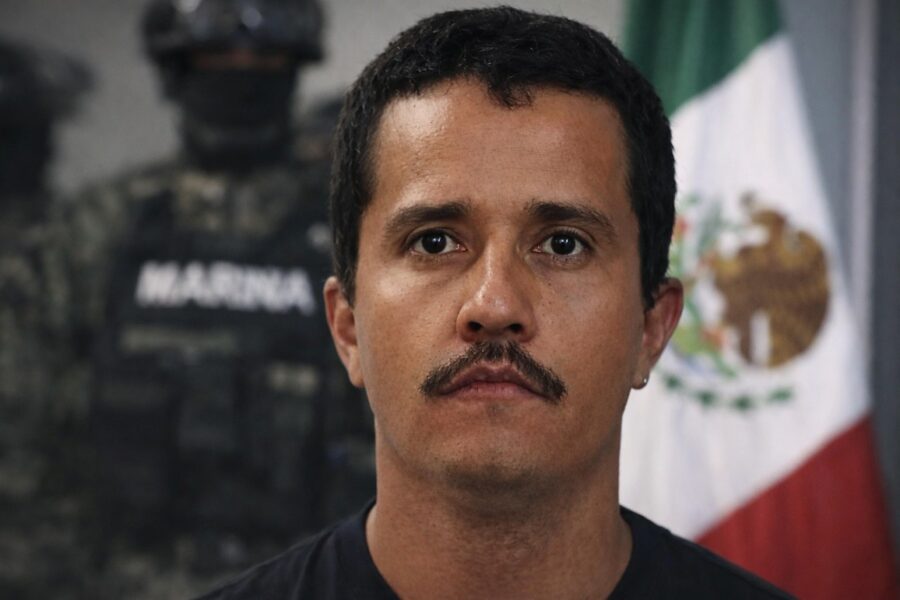

Black smoke rose over Puerto Vallarta, highways reportedly choked with flaming vehicles, and airline counters filled with passengers staring at cancellation notices, after Mexican authorities and multiple major news organizations reported the death of Nemesio Rubén Oseguera Cervantes, known as “El Mencho,” leader of the Jalisco New Generation Cartel.
Local reporting from the Bay Area captured the human-scale impact: U.S. travelers in Puerto Vallarta described explosions, fires, and an airport shutdown that turned same-day departures into indefinite delays.
Table of Contents
ToggleA Kingpin’s Reported Death, Followed by Fast Retaliation
According to The Associated Press, the Mexican army killed Oseguera in an operation in Tapalpa, Jalisco, and he later died from wounds sustained during the mission.
Within hours, multiple outlets documented a familiar cartel response pattern: arson, roadblocks, and attacks meant to seize control of streets and transportation corridors, complicating security operations and amplifying fear well beyond the original raid area.
Reuters reported vehicles and businesses set ablaze and highways blocked across several states, with Puerto Vallarta among the places where tourists witnessed smoke and disruption.
Travelers Caught Between Roadblocks and Grounded Aircraft
ABC7 reported that flights were canceled and U.S. citizens were told to stay put, with Bay Area residents describing an airport closure and the practical dilemma of whether it was safe to move around the city at all.
Airlines moved quickly to reduce exposure. Reuters reported that Air Canada temporarily suspended operations to Puerto Vallarta and United Airlines canceled flights to the destination, citing safety concerns.
Regional U.S. coverage added detail on the local fallout: transportation disruptions, businesses closing, and travelers unable to rely on normal airport transfers.
Shelter-In-Place Guidance and the Transport Freeze
A U.S. government travel alert posted publicly warned Americans in affected areas to shelter in place, remain in hotels or residences, and noted that taxis and rideshares were suspended in Puerto Vallarta while road blockages impacted airline operations.
Reporting based on those alerts and local accounts converged on a key point: even when an airport is technically functioning, the road network around it can become the real choke point, especially when burning vehicles and armed confrontations appear on major routes.
What Is Known About the Operation and Casualties
AP described Oseguera as one of Mexico’s most dangerous traffickers and a top target of both Mexican and U.S. governments, with the U.S. offering up to a $15 million reward for information leading to his arrest.
AP also reported that the backlash and related clashes left at least 14 people dead across multiple states, underscoring how quickly a single high-value strike can cascade into wider violence.
Official Posture: Calm Messages, High-Stakes Reality
Mexico’s federal leadership urged calm, while the security environment on the ground was defined by tactical disruption: blocked highways, burned vehicles, and the temporary shutdown of routine commerce and travel.
Reuters noted warnings from within cartel circles about potential internal turbulence as factions maneuver for control after the reported death of a central figure.
Why Puerto Vallarta Mattered in the Aftermath
Puerto Vallarta is not a cartel stronghold in the way some interior corridors are, but it is a high-value pressure point: tourism, international flights, and a dense concentration of civilians who become instantly vulnerable when transportation systems stall.
That is why the backlash described by Reuters and AP, combined with the shelter-in-place messaging amplified by regional outlets, produced an unusually immediate travel crisis: people were not only afraid of violence, they were immobilized by it.
Related Posts:
- How Many International Airports Are There In The US in 2026?
- Armed Forces Organizations, 500+ Veterans Announce…
- What Is the Biggest Airport in the US in 2026?
- Most Dangerous Cities in Mexico 2026 - Top 10 Places…
- The 100 Most Dangerous Cities in America (2026):…
- Heat Detector vs Smoke Detector - Which One Should…