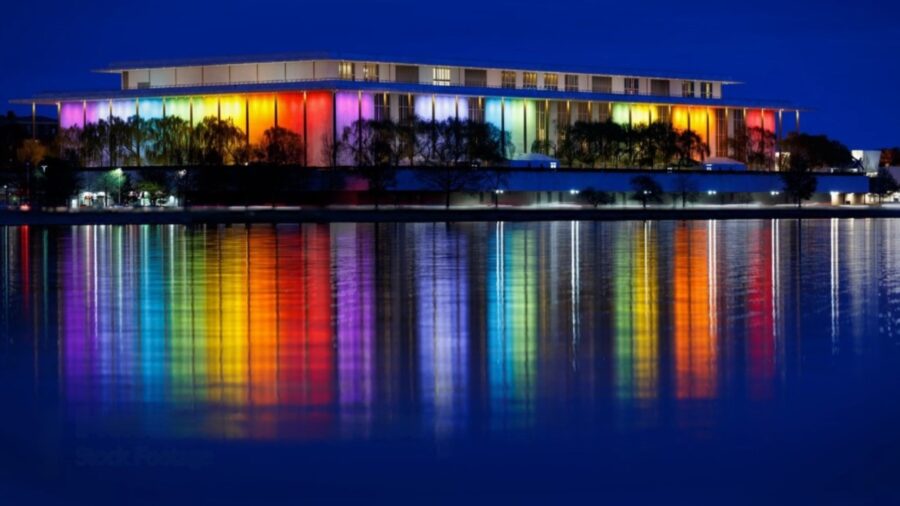

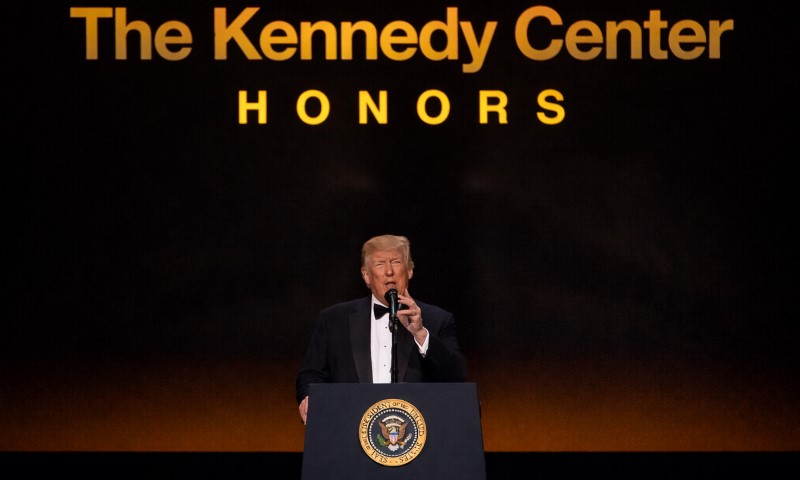
In a move that would take one of America’s most visible cultural stages dark for roughly 2 years, President Trump said the Kennedy Center will halt entertainment operations beginning July 4, 2026, to undergo what he described as a “complete rebuilding.”
The announcement immediately raised two separate questions, what exactly is being rebuilt, and who, legally and operationally, gets to make that call.
Reporting from Reuters and Associated Press indicates the plan hinges on formal governance steps by the institution’s board, even as the president framed the shutdown as a settled decision.
What Trump Announced, and What Is Actually Required
Trump’s public comments described a closure of entertainment operations for about 2 years, starting on July 4, 2026, paired with a promise of a dramatic reconstruction and a splashy reopening.
Key point: the Kennedy Center is not a venue a president can simply padlock by declaration. The Board of Trustees has defined duties and powers under federal law, with the structure and appointment rules laid out in Title 20 of the U.S. Code.
A parallel public record on the Kennedy Center’s own site lists current trustees and leadership roles, underscoring that decision-making runs through a formal institutional framework.
Why July 4, 2026 Is the Date That Keeps Showing Up
Multiple outlets report the shutdown date as July 4, 2026, tying it to the symbolic calendar of the country’s 250th anniversary era and the political value of a high-profile “reopening” narrative.
A date with patriotic weight also comes with practical weight. The Kennedy Center is normally a high-throughput venue with a packed calendar that is booked far in advance.
That means a 2-year halt is not just a construction story, it becomes a contracts story, a touring calendar story, and a labor story, all at once.
The Backlash Context Behind the Closure Announcement
The shutdown did not land in a vacuum. Coverage frames it as the latest escalation in a broader effort by Trump to reshape the institution’s identity and leadership, prompting public blowback and cancellations or withdrawals by artists and arts organizations.
That matters because it changes how the closure is interpreted. In one reading, the work is an overdue capital improvement for a major national arts complex. In another, it is leverage in a governance fight, a way to reset programming and institutional control under the cover of construction.
What “Complete Rebuilding” Could Mean, and What Is Still Not Public
So far, the most concrete details are the proposed duration and start date, not a released project plan.
Across mainstream coverage, the phrase “complete rebuilding” is presented as Trump’s characterization rather than a publicly posted scope document with engineering specifics, phased closures, or a procurement timeline. No widely circulated public package has yet clarified, for example:
- Which halls or wings are affected
- Whether structural systems are being replaced or primarily renovated
- Whether the campus can support partial operations during construction
- How resident companies would be handled over 2 seasons
If a board vote and a real construction plan materialize, those items become the difference between “shutdown,” meaning fully dark, versus partially relocated programming.
Governance
The Kennedy Center’s trustees and authorities are set out in federal statute, including how trustees are appointed and how the institution is governed.
That legal spine is why multiple reports emphasize that the closure depends on board approval or formal action, even if the political messaging suggests inevitability.
For audiences, donors, and performers, the practical takeaway is simple: the schedule cannot be treated as canceled until the institution executes the decision through its governing process and communicates how it will manage contracts, refunds, rebooking, and relocations.
What a 2-Year Shutdown Would Disrupt
Even if the closure proceeds exactly as described, it will land unevenly across the arts ecosystem.
Performers and Touring Productions
National tours lock routing, staffing, and venue holds years in advance. A flagship venue going offline forces reroutes that can cascade into other cities’ calendars.
Local Arts Labor and Vendors
A long closure can mean gaps for stagehands, front-of-house workers, production crews, and the surrounding vendor economy that serves major performance nights.
Resident Organizations and Long-Term Programming
Whether resident groups relocate, pause, or split seasons across venues becomes a defining question for cultural continuity in Washington, D.C.
Where the Story Goes Next
The next developments that will convert this from announcement to reality are specific and checkable:
- A board action or formal institutional decision authorizing closure and construction timing
- A published scope and schedule that clarifies what “complete rebuilding” means in construction terms
- Contract and ticketing guidance for summer 2026 and beyond, especially for shows already marketed or tentatively scheduled
Until those steps are visible, the shutdown remains a political statement with real-world consequences hanging on governance procedure, planning clarity, and the hard logistics of taking a major national venue offline for roughly 730 days.