


Becoming a detective sounds straightforward when reduced to a title. In reality, it is a role earned through years of steady work, credibility, and patience. In most agencies, a detective is not a job you apply for on day one.
It is an assignment or rank that follows proof that you can handle responsibility, pressure, and unfinished problems. At the federal level, the work exists under different titles, often criminal investigator or special agent, with a separate hiring and training structure.
Let’s get into the specifics.
Key Highlights
- Detective roles are earned after years of patrol or prior professional experience, not entry-level positions
- Local and state routes usually take 3–7 years, while federal investigative careers often require 6–8+ years
- Core requirements center on academy training, clean background checks, strong writing, judgment, and communication skills
- Advancement depends on documented performance, credibility, and competitive selection, not interest alone
The Two Main Career Pathways
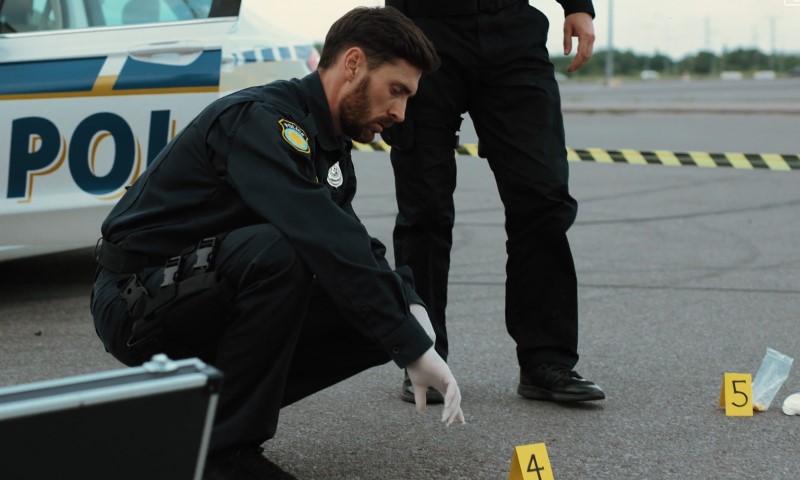
Becoming a detective does not follow a single blueprint. Most careers fall into one of two established routes, each with its own expectations, timelines, and trade-offs.
Path A: Local or State Police Department
Most detectives start as patrol officers. Agencies expect officers to show reliability, report-writing skill, and professional judgment before moving into investigative roles.
According to the Bureau of Labor Statistics, officers usually serve in patrol for a defined number of years before becoming eligible for detective assignments.
Path B: Federal Criminal Investigator or Special Agent
At the federal level, detective-style work appears under titles such as special agent or criminal investigator.
Hiring standards are stricter, training is centralized, and relocation is often mandatory. Many agencies expect a bachelor’s degree and prior professional experience before hiring.
How Long It Takes to Become a Detective
There is no single timeline, but clear patterns show up across agencies.
Local or State Detective Timeline
A typical progression looks like:
- Application and testing
- Police academy
- Field training and probation
- Patrol experience
- Competitive selection into investigations
A realistic timeframe from first application to detective assignment usually falls between 3 and 7 years.
The variation comes from academy length, probation policies, agency size, and how often investigative openings appear.
Training itself is not guaranteed. According to the official resources, state and local academies required an average of 806 hours of basic training in 2022.
More than 14% of recruits did not complete that training, either voluntarily or involuntarily. The academy is a filter, not a formality.
Federal Investigator Timeline
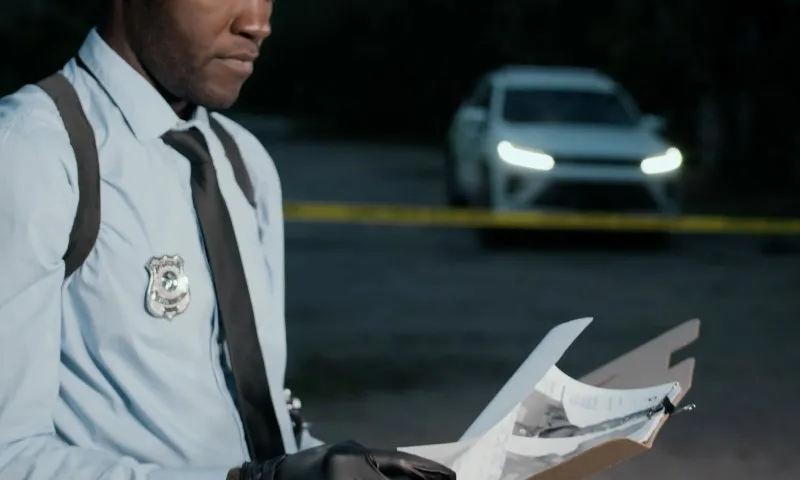
Federal pathways tend to follow a longer arc:
- 4 years for a bachelor’s degree
- 1 to 3 or more years of professional experience
- A hiring process that can take many months
- A lengthy training pipeline after hiring
As one reference point, the Bureau of Alcohol, Tobacco, Firearms and Explosives states that its hiring process can take 12 months or longer. According to ATF, training includes about 12 weeks of the Criminal Investigator Training Program, followed by about 15 weeks of ATF Special Agent Basic Training.
The Federal Bureau of Investigation describes approximately 18 weeks of new agent training, totaling more than 800 hours across investigative techniques, interviewing, surveillance, and scenario-based case work.
From a starting point with no degree, a federal route often totals 6 to 8 years before working cases independently.
Timeline Comparison Table
Core Requirements That Appear Almost Everywhere
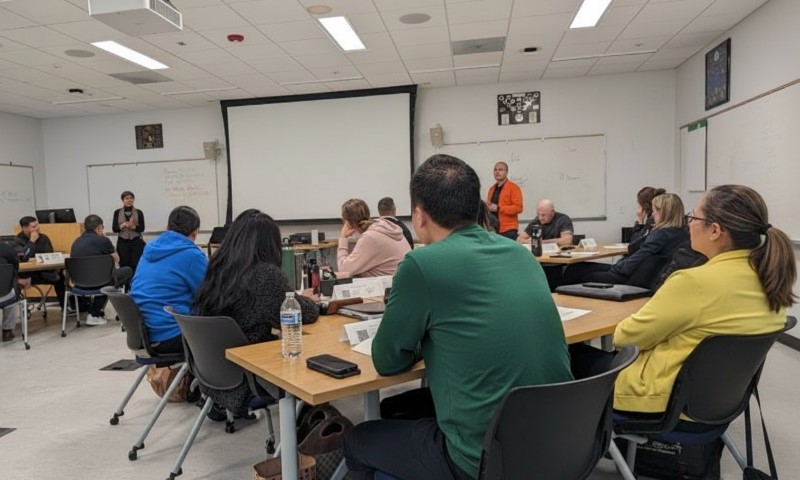
Before titles and timelines matter, a few baseline expectations show up in nearly every department.
Training, background standards, and core skills tend to follow the same pattern no matter the badge or agency.
Education
At the occupational level, the Bureau of Labor Statistics notes that entry education ranges from a high school diploma to a college degree. Some federal agencies require a bachelor’s degree.
It’s also worth mentioning that many candidates strengthen their academic background through flexible programs offered by institutions such as online.ou.edu.
Common patterns include:
- High school diploma or equivalent for entry-level policing
- College coursework or degrees preferred, especially federally
- Useful areas of study include writing, criminology, psychology, statistics, cyber topics, accounting, and languages
Education helps, but performance and credibility determine advancement.
Academy and On-the-Job Training
Most police officers and detectives must graduate from a training academy and complete on-the-job training.
For state and local agencies, the 2022 average remained 806 hours of basic academy instruction. Completion is not automatic, as the 14% non-completion rate shows.
Background and Personal Standards
Candidates generally must:
- Be at least 21 years old
- Meet physical fitness requirements
- Pass medical and psychological evaluations
- Clear extensive background investigations
- Avoid disqualifying criminal history or drug use
Federal agencies publish detailed eligibility rules. For example, the Drug Enforcement Administration lists age limits, citizenship requirements, willingness to relocate, Top Secret clearance eligibility, physical fitness standards, and strict drug policy timelines. Misrepresentation alone can be disqualifying.
Communication and Judgment
The Bureau of Labor Statistics highlights communication skills, perceptiveness, and judgment as essential traits. Investigative work depends on interviews, writing, and decisions that hold up under review.
The skill priorities listed by O*NET OnLine reinforce that reality:
- Active listening
- Social perceptiveness
- Judgment and decision-making
- Complex problem solving
- Critical thinking
Failures in investigations often stem from weak reports, credibility gaps, or poor follow-through, not a lack of technical tricks.
What Departments Actually Look for in Detective Candidates
Desire alone does not secure a detective slot. Agencies look for proof you can manage cases from start to finish.
Selection factors often include:
- Documented patrol performance
- Clean disciplinary record
- Accurate, complete reports
- Strong arrest packages prosecutors can use
- Reliable courtroom testimony
- Professional conduct under pressure
Before carrying the detective title, strong candidates often show investigative habits while still in patrol. That includes spotting patterns, building timelines, working witnesses persistently, handling evidence correctly, and coordinating smoothly with other units.
Different Meanings of “Detective”
Public conversation blurs several roles together.
Local or State Police Detective
- Sworn law enforcement
- Patrol experience expected
- Assignment and workload depend on agency size
Federal Criminal Investigator or Special Agent
- Centralized hiring and training
- Clearance eligibility required
- Willingness to relocate
- Long training pipelines
Private Investigator
Private investigators follow separate licensing systems and employer standards. That route differs entirely and is not covered here.
Pay and Job Outlook Context
View this post on Instagram
According to the Bureau of Labor Statistics data for May 2024:
- Median annual wage for police and detectives overall: $77,270
- Median annual wage for detectives and criminal investigators: $93,580
- Total police and detective employment: 826,800
- Detective and criminal investigator employment: 117,900
- Projected growth from 2024 to 2034: 3%
Detective roles commonly pay more than patrol positions, but advancement remains competitive.
Local or State Detective Route
Becoming a detective at the local or state level follows a clear progression built on training, patrol experience, and competitive selection.
Each step exists for a reason and shapes how quickly and how successfully you move into investigative work.
Step 1: Confirm Eligibility
Expect requirements such as:
- Minimum age, often 21
- Driver’s license
- Background checks
- Physical fitness tests
- Written exams and interviews
Some departments operate cadet programs for candidates not yet age-eligible.
Step 2: Complete Academy and Field Training

Academy length varies, but the 806-hour average from 2022 provides a realistic benchmark. Field training and probation follow.
Step 3: Build a Patrol Record That Translates
Focus on skills that map directly to investigations:
- Clear, chronological reports
- Evidence discipline
- Interview structure and listening
- Courtroom reliability
Step 4: Seek Investigative-Adjacent Assignments
Depending on agency structure:
- Street crimes
- Property crime emphasis
- Juvenile units
- Narcotics support
- Task forces
Step 5: Compete for Detective Selection
Processes often include:
- Written examinations
- Oral boards
- Performance history review
- Training prerequisites
Some agencies require additional training within a defined period after assignment.
Federal Investigator Route
Federal investigative work follows a different structure than local departments. Hiring is centralized, standards are stricter, and training happens in long, sequential stages designed to test judgment, endurance, and consistency under pressure.
Step 1: Meet Published Eligibility Criteria
Federal agencies clearly state age windows, fitness expectations, clearance eligibility, and relocation requirements.
Step 2: Prepare for a Long Hiring Process
Agencies such as ATF note hiring timelines of 12 months or longer. Extensive background investigations and medical screening are standard.
Step 3: Complete Centralized and Agency Training
Federal training often stacks programs. Examples include:
- CITP at about 12 weeks
- Agency-specific training lasting another 15 weeks or more
- FBI new agent training lasting approximately 18 weeks and over 800 hours
What to Study to Stay Competitive

Formal education never guarantees a detective assignment, but certain fields make you more competitive when selection boards review your background and case potential.
For Local or State Routes
- Writing and reporting
- Interview techniques and psychology
- Constitutional law basics
- Digital literacy, including phones and video systems
- Spanish or other locally relevant languages
For Federal Routes
- Accounting and auditing
- Cybersecurity or digital forensics
- Engineering or technical disciplines
- Foreign languages for agency-specific missions
- Professional experience demonstrating reliability under strict rules
What a Strong Candidate Looks Like in Practice
A credible detective candidate usually shows:
- Consistent good judgment under stress
- Interview control rooted in listening
- Precise, evidence-linked writing
- Patience with long, slow-moving cases
- Physical and mental resilience
Detective work rewards discipline, patience, and credibility more than speed or bravado.
Closing Perspective
Becoming a detective is a long game. Whether through a local patrol route or a federal investigator pathway, the role is earned through training, performance, and trust. The timelines are real, the standards are high, and the competition is steady.
For those who value careful work, accountability, and seeing cases through when answers take time, the path remains demanding and realistic.