Skip to content
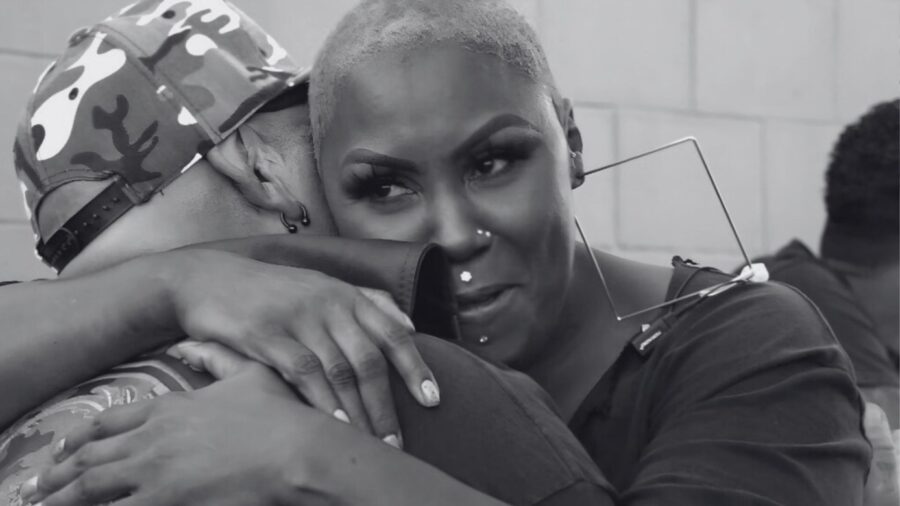

Shirley Raines, the nonprofit founder and social media creator known to millions as “Ms. Shirley,” has died at 58, according to her organization, Beauty 2 The Streetz.
Raines became one of the most visible street outreach figures tied to Los Angeles’ Skid Row in the past decade, building a mass online following by filming direct, face-to-face encounters while distributing meals, hygiene supplies, and beauty and grooming services to people living outside.
Table of Contents
ToggleWhat Is Confirmed About Her Death
Reporting tied to the Clark County Coroner’s Office says Raines was found dead in Nevada, with an official cause not yet released publicly.
People reported she was found unresponsive at her home in Henderson, Nevada, after a wellness check requested by family.
Beauty 2 The Streetz announced her death in a public statement shared on the organization’s social channels.
How She Built Beauty 2 the Streetz Into a National Profile
Raines began outreach work in 2017, according to multiple profiles and reporting, after seeing conditions on Skid Row and deciding to return with supplies and food.
The group’s model was simple and unusually consistent for street outreach: show up repeatedly, learn names, listen, then meet immediate needs with tangible items.
Meals and hygiene kits were central, but the organization’s signature was self-care as a dignity service, hair, makeup, grooming, and “restoring services” that treated presentation as part of survival and self-worth.
Her videos, often filmed in daylight on sidewalks and encampment edges, emphasized respectful address and basic consent, then turned those moments into fundraising fuel. Associated Press described her as calling people “King” and “Queen,” framing her work as a direct pushback against dehumanizing stereotypes about homelessness.
Recognition That Followed Her Visibility
Raines’ reach was not niche. Time, in its 2025 TIME100 Creators list, pegged her audience at millions across major platforms while noting formal recognition from the NAACP Image Awards.
CNN named her its 2021 Hero of the Year, a designation that came with a grant to support her work, and CNN’s press materials describe her services on Skid Row as spanning food, clothing, hair, makeup, and health and hygiene items.
The NAACP Image Awards account posted a memorial tribute that describes her as the 2025 Outstanding Social Media Personality.
The Larger Crisis She Worked Inside
Raines’ public identity was inseparable from a scale problem that has resisted political fixes. LAHSA’s 2025 Greater Los Angeles Homeless Count materials document the region’s official point-in-time results and supporting summaries.
Local reporting on those 2025 results described a modest decline, with LAHSA citing decreases of 3.4% in the City of Los Angeles and 4% countywide.
LAHSA also highlighted a major shift inside that overall count: unsheltered homelessness decreased 9.5% in Los Angeles County in 2025, while sheltered homelessness increased 8.5%.
Raines’ work sat in the gap between those statistics and lived reality, the daily friction of hunger, hygiene, exposure, illness, and social isolation that does not wait for housing production cycles or policy timelines.
Why Her Approach Resonated, and Why It Drew Scrutiny
Her supporters saw her as a consistent “first responder” in a space where many efforts are episodic. Critics, often in the broader debate around homelessness outreach, questioned the risks of filming vulnerable people and the line between documentation and content.
Raines’ public stance, as described in major obituaries, was blunt: visibility could be a tool to raise money, change narratives, and keep attention on people the public typically avoids.
Profiles from earlier years show how her work evolved during COVID-19, shifting toward PPE and essential supply distribution while keeping beauty care and hygiene support in rotation when possible.