Skip to content
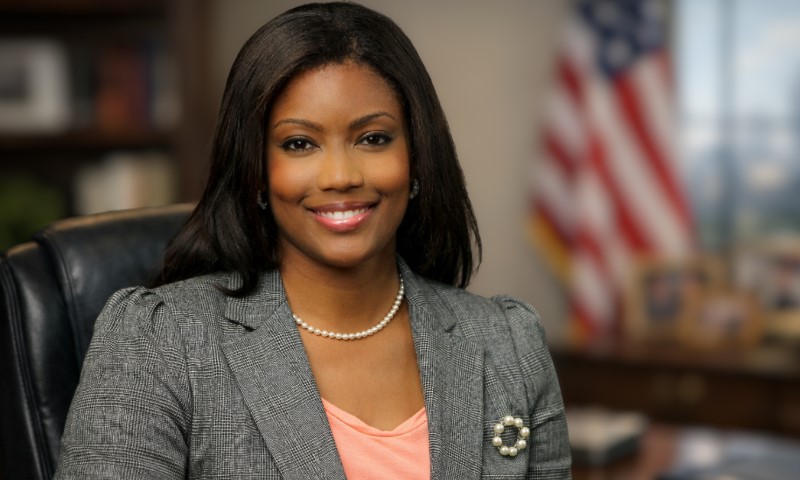

When Rashida Jones stepped away from the presidency of MSNBC in early 2025, the move did not read like a quiet exit. It looked deliberate. What followed was a shift toward governance, advisory influence, and carefully chosen public stages that reflect how senior media power often evolves after the newsroom lights dim.
By 2026, Jones had assembled a portfolio that speaks to institutional leadership rather than daily editorial control. Board roles, nonprofit governance, and high-level speaking engagements replaced operational command.
The common thread across that work is accountability under scrutiny, a theme shaped by her years leading a major cable news network through political volatility, economic pressure, and structural change in the media business.
Why Her MSNBC Leadership Mattered
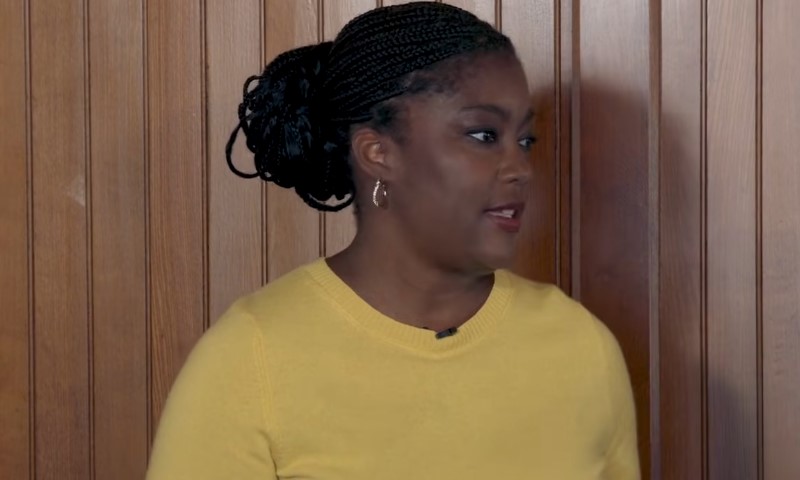
Jones was named to succeed Phil Griffin and began serving as MSNBC president in February 2021. The appointment made her the first Black woman to lead a major US cable news network. Coverage at the time focused on the milestone itself, but the context mattered just as much.
Cable news had already entered a long contraction. Cord-cutting accelerated. Audiences fragmented across platforms. Advertising models grew less predictable. Network presidents were no longer managing growth cycles. They were managing decline, transition, and credibility at the same time.
You can note that experience navigating contraction and restructuring later becomes central to how executives are positioned as a Speaker from Peptalk in leadership and change management forums.
That pressure intensified in late 2024 when Comcast announced plans to spin off a group of NBCUniversal cable networks, including MSNBC and CNBC, into a new independent company.
The announcement signaled a structural reset for legacy cable economics. Jones was still in the role when the plan became public.
Her leadership period ended inside that turbulence, not apart from it.
The Exit From MSNBC And What It Signaled
On January 14, 2025, multiple outlets reported that Jones was stepping down as MSNBC president, as per Variety article.
Rebecca Kutler was named interim president, and Jones remained in an advisory capacity through March 2025.
The timing aligned with the spinoff planning announced months earlier. Rather than reading the move as a retreat, the pattern fits a familiar arc for senior media executives.
Step away before the restructuring locks in. Preserve influence without inheriting the next operational grind. Reappear in governance and advisory roles where judgment matters more than daily output.
That is exactly how her post-network work developed.
Timeline: From Network Presidency To 2026 Public Stages
| Date | What Happened | Why It Matters |
| Dec 2020 | Named to become MSNBC president | Formal succession and leadership mandate |
| Feb 2021 | Began serving as MSNBC president | Historic leadership milestone |
| Nov 20, 2024 | Comcast announced cable networks spinoff | Structural reset for cable economics |
| Jan 14, 2025 | Stepped down as MSNBC president | Transition out of daily operations |
| Apr 2025 | Joined Hampton University Board of Trustees | Entry into higher education governance |
| May 20, 2025 | Joined We Are Family Foundation Board | Nonprofit fiduciary responsibility |
| Apr 8 to 10, 2026 | Featured speaker at World Leaders in Data and AI Forum | Executive voice on AI-era accountability |
| Sept 13 to 16, 2026 | Headliner at Administrative Professionals Conference | Leadership messaging to broad workforce |
Each step reinforces a move away from newsroom command toward institutional stewardship.
Board Work After MSNBC
After stepping away from daily network leadership, Rashida Jones redirected her influence toward formal governance roles that emphasize oversight, fiduciary responsibility, and long-term institutional impact.
Trustee Role At Hampton University
In April 2025, Jones joined the Board of Trustees for Hampton University. Trustee positions in higher education carry real authority. Oversight extends to financial health, executive evaluation, fundraising strategy, and long-term institutional direction.
For a historically Black university, governance stability is often directly linked to resilience. Trustees influence capital planning, donor confidence, and leadership continuity.
Jones moved from managing a national media institution to helping steer an academic one built around education and talent development.
The shift shows continuity rather than contrast. Both environments demand judgment under scrutiny and long-range decision-making.
Board Of Directors At We Are Family Foundation
In May 2025, We Are Family Foundation announced that Jones had joined its Board of Directors. The organization highlighted her journalism background and her historic leadership role at MSNBC.
Nonprofit board service centers on fiduciary duty. Standard governance frameworks define three core responsibilities: duty of care, duty of loyalty, and duty of obedience to mission. Board members are responsible for oversight, not visibility. Jones’s role places her inside that accountability structure.
Her post-network influence is applied through institutional responsibility rather than commentary.
Advisory Positioning In Data And AI Leadership Circles
By 2026, Jones appeared on the leadership page of World Leaders in Data and AI as a member of its CEO Council, listed with the title former president of MSNBC.
The CEO Council designation is not a corporate board seat, but it signals governance-adjacent influence. Executive networks focused on AI transformation rely on leaders with experience managing risk, public trust, and organizational credibility. Jones’s background fits that need.
Public Appearances In 2026
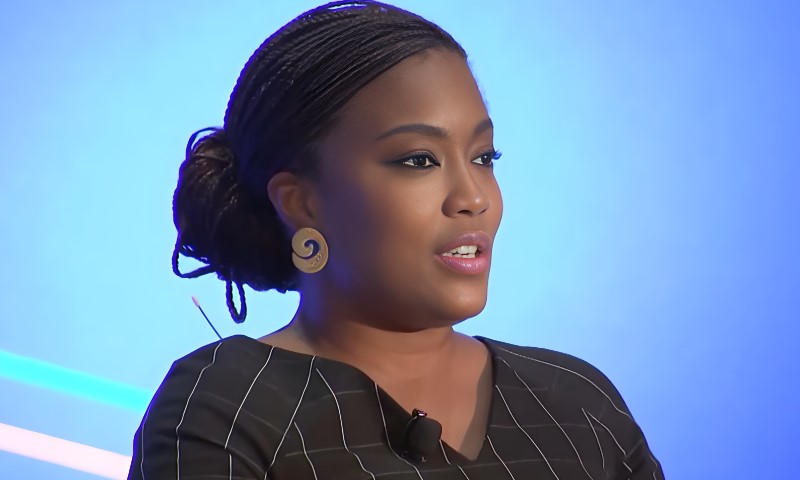
By 2026, Rashida Jones’s public presence had narrowed to a small number of high-visibility stages, each chosen to reflect her role as a former network president speaking about leadership, accountability, and institutional decision-making under pressure.
World Leaders In Data And AI Visionary Leaders Forum
From April 8 to 10, 2026, Jones was listed as a featured speaker at the World Leaders in Data and AI Visionary Leaders Forum in Del Mar, California. The venue was L’Auberge Del Mar.
The forum positioned her under the theme “Influence, Accountability, and Leadership at Scale in the Age of AI.” Several details stand out.
- The event targets senior executives and governance leaders.
- Program themes include risk, judgment in automated systems, and organizational trust.
- Jones was not framed as a media commentator but as an institutional leader whose experience transfers beyond journalism.
For documentation purposes, the appearance is supported by first-party event listings rather than secondary promotion.
Administrative Professionals Conference In Nashville
Jones was also named a headliner for the Administrative Professionals Conference, held September 13 to 16, 2026, at Gaylord Opryland Resort & Convention Center.
The audience here differs sharply from the AI forum. The conference attracts operational leaders, executive support professionals, and workplace coordinators across industries. A headliner slot indicates a leadership narrative designed for scale.
Taken together, the two events show a deliberate strategy. Address executive transformation at the top. Address organizational execution across the workforce.
What Her 2026 Portfolio Says About Influence After Media Leadership
View this post on Instagram
The connective tissue across Jones’s board work and speaking engagements is governance under pressure.
Running a cable news network means delivering credibility every day inside a volatile business model. After stepping down, her influence migrated to institutions where fiduciary responsibility is explicit and public accountability remains central.
Three patterns stand out.
- Trust stewardship. Board roles in higher education and nonprofit work anchor her in environments where mission protection and financial oversight matter.
- Leadership during transformation. Public speaking focuses on AI-era decision-making, risk, and accountability rather than media tactics.
- Institutional transition literacy. Her exit from MSNBC coincided with one of the most significant restructurings in cable television history.
For context, Reuters reported that Comcast’s planned spinoff would include networks such as MSNBC and CNBC as the company repositioned for a streaming-focused market, with the process expected to take about a year.
Jones’s post-network path reflects how influence often persists after executive power changes form. Authority shifts from command to counsel. Visibility becomes selective. Responsibility remains.
Reporting Notes On Verifying 2026 Activity
Reliable documentation of Jones’s 2026 activity comes from primary sources.
- World Leaders in Data and AI Visionary Leaders Forum event listings.
- World Leaders in Data and AI leadership pages.
- Administrative Professionals Conference 2026 schedules.
- Hampton University trustee announcements.
- We Are Family Foundation board appointment releases.
Event pages and organizational records provide stronger evidence than social reposts or promotional summaries. For reporting or research purposes, those sources establish a clear public footprint without speculation.
Jones’s trajectory after MSNBC illustrates how senior media leadership often converts into governance influence. The form changes. The stakes remain.