Skip to content
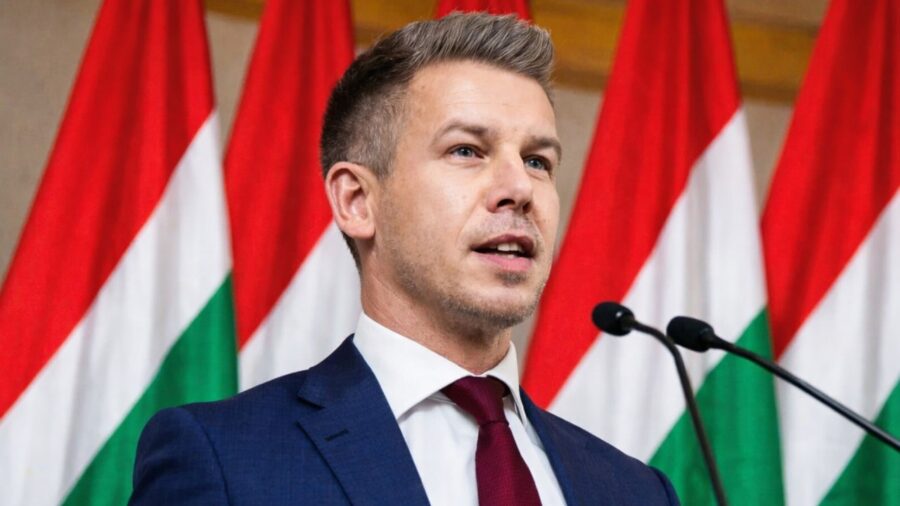

Viktor Orbán’s loss in Hungary’s 2026 parliamentary election is one of the biggest political shocks Europe has seen in years. After 16 years in power, the prime minister who built his reputation on nationalist politics, institutional control, and confrontation with Brussels was defeated by Péter Magyar’s Tisza party.
Reuters reported that Tisza won 138 of 199 seats, enough for a two-thirds majority, while turnout reached about 80%, a sign that voters saw the contest as a national turning point.
Table of Contents
ToggleWhy the Result Matters Beyond Budapest
Orbán’s fall carries weight far beyond Hungary because he had become an icon for parts of the global right, especially allies of Donald Trump in the United States.
Reuters described the result as a setback for Orbán’s allies in both Russia and the Trump White House.
For years, Hungary had been presented by admirers abroad as proof that a leader could weaken liberal institutions, dominate the political landscape, and still maintain electoral legitimacy.
That image has now taken a serious hit.
The Revolt Came From Home
The reasons for Orbán’s defeat were largely domestic. Reuters reported that economic stagnation, corruption concerns, and Hungary’s growing isolation helped erode support for Fidesz.
AP’s profile of Magyar showed how he channeled that frustration by focusing his campaign on public anger over weak services, graft, and elite arrogance.
Voters were not only rejecting a government. Many were rejecting the fatigue that comes from one party dominating national life for well over a decade.
Péter Magyar Changed the Opposition Map
Magyar’s role in the upset is central to the story. He was not a traditional opposition figure from the liberal camp.
AP reported that he had once been an insider in Orbán’s political world before breaking away after a 2024 scandal involving figures close to the ruling establishment.
That background made him harder for Fidesz to dismiss as an outsider or a familiar opposition caricature. He ran instead as a center-right reformer, promising to tackle corruption, restore competence, and repair Hungary’s relations with the European Union and NATO.
Europe Sees a Strategic Opening
The election also has immediate implications for Europe’s balance of power. Orbán had often frustrated EU efforts on Ukraine and had long been viewed as the bloc’s most Russia-friendly leader.
Reuters reported that a Tisza government is expected to pursue closer ties with Brussels and could improve Hungary’s chances of unlocking EU funds that had been frozen over rule-of-law disputes.
In practical terms, the result could remove one of the most disruptive veto players inside the European Union.
A Blow to the Strongman Model
Orbán’s defeat does not erase the system he built. Loyalists remain embedded across Hungarian institutions, and any new government will face resistance. Still, the result delivers a larger lesson.
A dominant ruling party with years of structural advantage can still be beaten when economic pressure rises, the opposition unites behind one credible challenger, and turnout surges.
Hungary’s election was a reminder that even heavily tilted political systems are not always permanent.