Skip to content
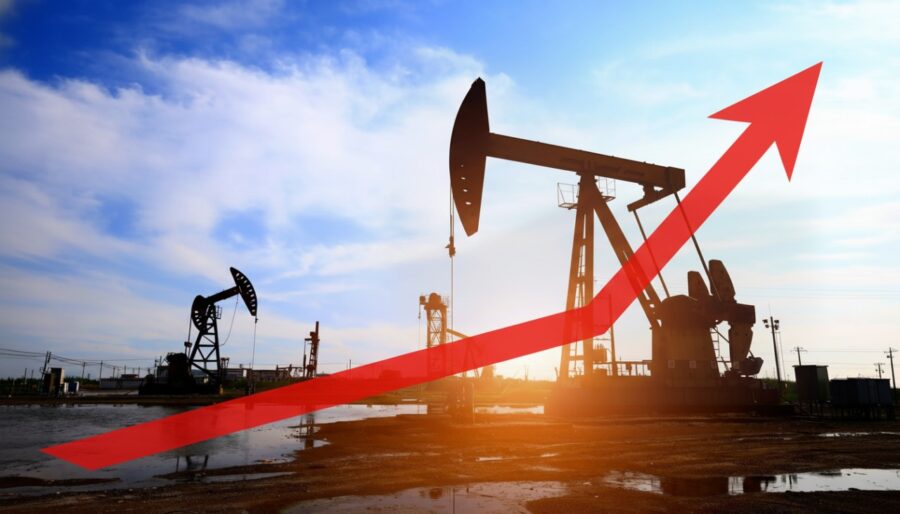

Oil did not jump on March 9 simply because traders saw another alarming headline. It surged because the expanding U.S.-Israeli war with Iran began to look less like a geopolitical scare and more like a real supply disruption.
Reuters reported that oil rose about 20% in early trading, then more than 25% at intraday highs, with Brent reaching about $119.50 a barrel, the highest level since 2022.
Reuters also reported that some major Middle East producers, including Iraq, Kuwait, and the UAE, had started cutting production as storage filled and export routes became harder to use.
Table of Contents
ToggleWhy the Strait of Hormuz Sits at the Center of the Story
The market’s panic makes sense once you look at the geography. The Strait of Hormuz is one of the most important energy chokepoints in the world.
The U.S. Energy Information Administration says that flows through Hormuz in 2024 and early 2025 accounted for more than one-quarter of global seaborne oil trade and about one-fifth of global oil and petroleum product consumption.
The same route also carried around one-fifth of global LNG trade, much of it from Qatar. When that corridor looks threatened, traders are not just pricing in fear, they are pricing in the possibility that a huge share of global energy shipments could be delayed or disrupted.
Why the Price Move Was So Violent
Markets can usually live with tension. What they struggle to absorb is the sight of actual barrels going missing or getting stuck. That is what makes this episode more serious than the usual Middle East risk premium.
Reuters said the surge was driven by both supply cuts and worries about prolonged disruption to shipping through Hormuz. Analysts quoted by Reuters warned that if the disruption lasts another 1 to 2 weeks, oil could rise toward $130 to $150 a barrel.
That kind of forecast tells you the market is already thinking beyond a bad news cycle and into the territory of sustained physical shortage.
The Damage Is Already Spreading Beyond Crude
The shock is not staying inside the oil market. Reuters reported that the same conflict pushed up palm oil, soybean oil, wheat, corn, and aluminum, while gold fell as the stronger dollar and inflation fears changed the usual safe-haven pattern.
Airline stocks also came under pressure as investors immediately began pricing in higher fuel costs.
Once oil spikes at this scale, the effects move quickly into transport, food, manufacturing, and inflation expectations. This is how an energy shock becomes a broader economic story.
Governments Are Already Looking for Emergency Tools
Policymakers are not treating this as routine volatility. Reuters reported that G7 finance ministers are discussing a coordinated release of emergency oil reserves with the International Energy Agency.
That matters because reserve releases are usually considered when governments believe a supply disruption could start doing wider economic damage.
The IEA says its oil security system allows member countries to release emergency stocks collectively in response to severe disruptions, with contributions based on each country’s share of oil consumption.
What Happens Next
The next move in oil depends less on trader mood and more on whether exports normalize. If flows through Hormuz stabilize, some of the price spike could reverse.
If production cuts deepen and shipping remains constrained, Monday’s jump may turn out to be only the first leg of a larger energy shock. What happened on March 9 was not just a dramatic market reaction. It was the moment the oil market began pricing a war as a supply crisis.
Related Posts:
- What Is the Most Dangerous Country in the World in 2025
- Safest Countries in the World in 2025 - GPI…
- Oil Surges Up to 13% After Iran Strike Rattles…
- 25 Most Dangerous Cities in US - Updated Statistics for 2026
- What ICE Does and Why It Matters - U.S. Immigration…
- Capital Cities in Europe: Top Destinations For You…