Skip to content
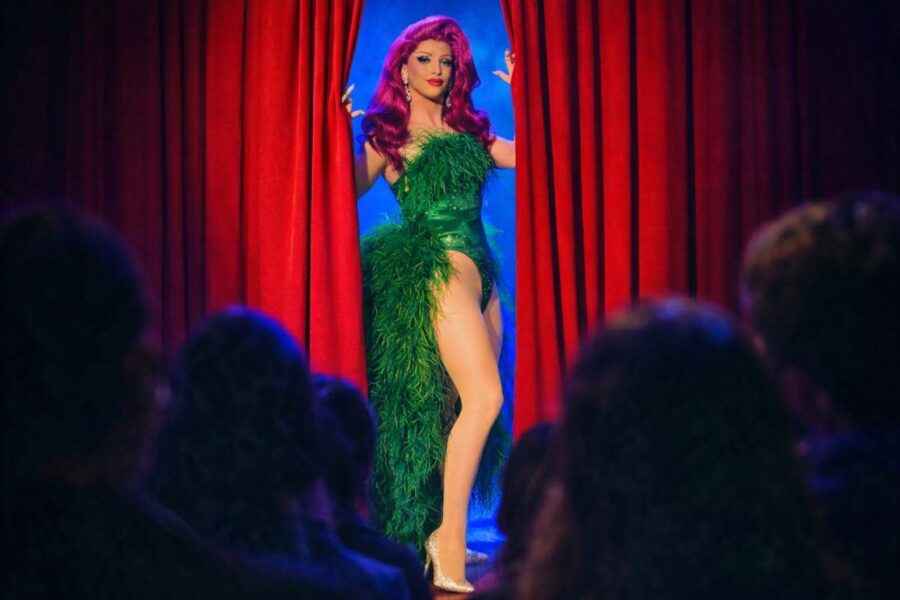

On a late-night stage in Bushwick, a performer somersaults onto a bar in stilettos, then turns an act of endurance into a rent ledger, stapling tips to skin while the room cheers. Xaddy Addy has the crowd, the craft, and the nerve.
What he does not have is financial insulation. In New York City, that missing buffer is what breaks artists first.
That is the throughline of The Nation’s new reporting by Ava Pauline Emilione: Black and trans drag performers are building a culture that tourists and locals consume as “New York,” while crowdfunding for groceries, rent, and medical bills to keep going.
The moral language around drag, visibility, pride, and resilience falls away fast when the show ends and the month’s arrears remain.
Table of Contents
ToggleThe Economic Math Under Drag Is Simple, and Brutal
Drag is a live art that sits on top of a nightlife economy that is large on paper and unstable at street level. A Europe-wide urban policy baseline study that cites New York’s night-time economy puts it at $35 billion in economic activity and 300,000 jobs.
That headline number is real, and it hides how fragmented the work is for performers, especially those outside mainstream booking pipelines.
The housing side of the equation is even less forgiving. Zillow’s latest NYC rent snapshot (last updated February 6, 2026) lists an average rent of $3,495 across all beds and property types.
Put those together, and you get the basic dynamic the article documents: even “good” weeks do not necessarily translate into stability, because the baseline cost of staying housed is high and the work is variable.
“Show Up” Is Not a Slogan, It Is the Pay Structure
The reporting is blunt about what keeps performers afloat. Afrosephone says support should not start when someone becomes famous, and the key action is attendance.
The line lands because it describes how nightlife labor actually works. Drag pay often comes as a small booking fee plus tips, with the audience functioning as the difference between “I performed” and “I covered the subway home and ate.” The article leans into that reality through scene and quote, not theory, because performers are already living the conclusion.
The Boom and the Fade, and Who Gets Hurt When Attention Moves On
The piece describes a familiar cycle in nightlife and cultural labor.
- A surge of interest, programming, and “diverse lineups”
- A contraction when the trend cools, budgets tighten, or venues revert to old booking habits
- A scramble for the same limited slots, with Black and trans performers pushed hardest toward mutual aid asks
One of the most damaging parts of that cycle is that it can be framed as “market demand” when it is also gatekeeping, informal networks, and risk avoidance by venues and producers. The story names that without treating it as gossip.
Drag Kings Are Hit by a Specific Underpayment Pattern
The article highlights how drag kings can be disregarded and underpaid relative to queens and better-known performers, and it ties that directly to housing loss.
A Black sideshow performer and drag artist, Klondyke, describes watching mutual aid posts outnumber show posters among Black and trans performers, then later experiences eviction after accumulating $10,000 in unpaid rent amid inconsistent work.
That is the piece’s sharpest point: drag is treated as spectacle, while the workers are treated as disposable.
The Policy Story Underneath the Stage Lights
New York’s nightlife policy has a long history of swinging between cultural celebration and enforcement-first governance. The article references legacy policing frameworks and the city’s attempts to create a more formal bridge between government and nightlife stakeholders.
One concrete example of government’s “nightlife governance” shift is the city’s Office of Nightlife, which states its role as coordinating city services and programs to promote responsible growth, diversity, creativity, inclusion, and quality of life, and serving as a resource for nightlife businesses, workers, performers, patrons, and residents navigating city services.
The point the article presses is that governance improvements do not solve performer precarity if the biggest pressures, housing and unstable gig income, remain unchanged.
The Gig Instability Is Documented by the City’s Own Nightlife Research
The city’s nightlife economic impact work has measured the same stressors performers describe.
In a 2019 nightlife study announcement from the Mayor’s Office of Media and Entertainment, the office reported that income stability was the biggest hurdle faced by artists and entertainers, cited by 80% of respondents, based on interviews and surveys conducted as part of the study.
That data point matters because it narrows the dispute. If performers say instability is crushing them, and the city’s own nightlife research says instability is the biggest hurdle, the remaining question is response, not diagnosis.
A New Administration Is Making Creative-Economy Promises, Performers Are Skeptical
The article situates this moment inside City Hall politics, including a new mayoral administration. The city’s official release says Zohran Mamdani appointed Rafael Espinal as Commissioner of the Mayor’s Office of Media and Entertainment on January 12, 2026, and frames the appointment as part of an affordability agenda aimed at keeping artists and creatives able to live and work in the city.
The Nation’s argument is that appointments and policy plans do not automatically translate into more paid gigs, safer venues, or rent relief that reaches performers fast enough. Performers still need audiences to show up, tip, and keep nights viable.
What “Drag Can Save a Life” Means in Practice
The article’s title line is not metaphor. It is about harm reduction, belonging, and survival routes for people who have been forced into the margins. In the story, drag shows function as:
- A social safety net when family and institutions fail
- A community health space, especially for trans people under political and social pressure
- A micro-economy that can keep someone housed if it stays active and paid
Then the piece lands the uncomfortable inversion: the city benefits from drag as a cultural export, while many of the people producing it cannot reliably afford the city they are branding.
A Tighter Way to See the Contradiction, in Numbers
| Indicator | What recent sources show | Why it matters |
| NYC average rent | $3,495 (average rent for all beds and property types, updated Feb 6, 2026) | Sets the monthly baseline performers must clear |
| Night-time economy scale | $35 billion activity, 300,000 jobs | Confirms the sector is large, but does not guarantee worker stability |
| Performer hurdle reported by city nightlife research | 80% cite income stability as the biggest hurdle | Matches performers’ lived reality, strengthens the claim |
Related Posts:
- Safest Countries in the World in 2025 - GPI…
- 25 Most Dangerous Cities in US - Updated Statistics for 2026
- Capital Cities in Europe: Top Destinations For You…
- Best Fireworks For New Years Eve 2026: Top Spots…
- Most Dangerous Cities in Mexico 2026 - Top 10 Places…
- Legislative Tracker: Pro-LGBTQ Nondiscrimination Legislation