Skip to content
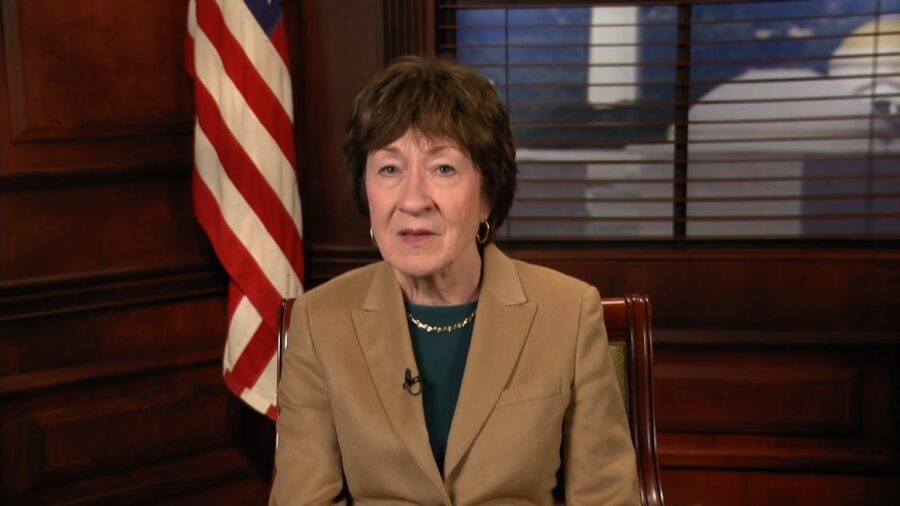

By the time CNN’s Manu Raju reached Maine for a field report aired February 1, 2026, the state’s Senate contest had already slipped its normal boundaries.
It is a race about control of the U.S. Senate, about whether Democrats can finally dislodge Susan Collins, and about a Democratic Party argument that keeps resurfacing nationwide: who gets to carry the banner, and how old is too old to do it.
At the center sits Janet Mills, a late entrant to the Senate race and a proven statewide winner. Also in the frame is Graham Platner, a political newcomer running as an anti-establishment alternative while battling controversies that would have ended many campaigns.
Table of Contents
ToggleThe Question CNN Put On Camera
On-air, the electability conversation quickly became a personal one. Raju pressed Mills on what he described as a concern he hears repeatedly, her age. Mills replied with sarcasm and visible irritation, signaling she expected the line of questioning and intended to bat it away rather than treat it as a defining issue.
That exchange matters because it captures the strategic bind Democrats face in Maine. Party leaders view the seat as a rare pickup opportunity in a small, expensive media market.
Yet the party is also trying to manage an internal narrative that older leadership may be limiting its appeal, especially with younger voters and donors who want generational turnover.
Why Mills Entered, and Why National Democrats Wanted Her
Mills’ candidacy did not materialize out of nowhere. Reporting from Associated Press described her launch as a direct challenge to Collins, with Mills leaning on her willingness to confront Donald Trump and her record in statewide office as proof she can win a tough general election.
The recruitment logic is straightforward. Collins has survived previous challenges by cultivating a personal brand that can outrun national party politics, and Maine elections punish candidates who look unprepared for the general electorate.
Democrats who favor Mills argue that a sitting governor with statewide infrastructure, fundraising reach, and general-election familiarity is the safest available bet.
Platner’s Insurgent Appeal, and the Damage That Followed
Platner’s rise is harder to map onto traditional politics. He presents as a populist, outsider candidate, and he has built real momentum inside the primary electorate.
But the reporting record also shows a chain of controversies that have dominated long stretches of coverage:
- Time reported on resurfaced online posts and the way they fueled a party argument over whether Platner is disqualifying baggage or a flawed, salvageable messenger with authentic base energy.
- AP reported that Platner said he covered a tattoo that was widely recognized as a Nazi symbol, an episode that triggered resignations, condemnation from rivals, and sustained scrutiny over his judgment and past behavior.
Platner’s political bet is that primary voters will treat the controversy as either overblown or already priced in, and that his anti-establishment message will carry further than the scandal cycle.
The core Democratic fear is that a nominee emerging from months of reputational warfare hands Collins the kind of general-election advantage she has used before.
Money Is Already Shaping the Race Like It Is a National Battleground
Susan Collins stood on the Senate floor today and called for more money for ICE, despite their blatant disregard for the law.
That is absolutely reprehensible, and Mainers need to call her office immediately and demand No More Money For ICE.
Here’s her number: (202) 224-2523 pic.twitter.com/YwWCFPvXXm
— Graham Platner for Senate (@grahamformaine) January 26, 2026
Even before the general election comes into view, outside groups are moving as if Maine will be one of the defining Senate fights of 2026.
The Wall Street Journal reported on January 20, 2026, that the Senate Leadership Fund planned a massive investment to protect Collins, framing it as an early sign Republicans expect a costly, competitive contest.
Local reporting in Bangor Daily News and the Portland Press Herald also described the scale and timing of that commitment, with tens of millions aimed at broadcast, cable, and digital once the race enters its high-attention phase.
On the Democratic side, Axios reported February 2, 2026, that an aligned group tied to Senate Majority PAC launched a $2 million ad blitz targeting Collins over immigration enforcement funding, a sign Democrats intend to define Collins early, not merely respond later.
ICE Becomes the Early General-Election Preview
The political environment that sits behind the age argument is not theoretical. It is policy and messaging, and it is already active.
AP reported late January 2026 that Collins announced an end to large-scale U.S. Immigration and Customs Enforcement operations in Maine after talks with Kristi Noem, while Democrats, including Mills and Platner, pushed for more transparency and harsher criticism of the agency’s actions.
Axios’ February 2 report linked the new ad campaign directly to that evolving fight over ICE, positioning the issue as a testing ground for what Democrats think will move persuadable voters in Maine, and what Collins believes she can deflect as misleading nationalized attacks.
Age Is the Headline, but the Underlying Question Is Risk Tolerance
The Mills vs. Platner split is often described as generational, but the deeper divide is about what Democrats think can go wrong.
Mills embodies the party’s risk-minimizing instinct: candidate quality, message discipline, and a general-election profile designed to hold up under national scrutiny.
Platner embodies the party’s frustration with controlled politics: a demand for disruption, a belief that enthusiasm beats caution, and a view that establishment warnings are a way of protecting power rather than winning elections.
Age becomes the shorthand because it is legible and emotionally loaded. Yet the reporting indicates the actual strategic question is simpler: can Democrats nominate someone who can unify the party quickly, avoid a prolonged damage cycle, and survive a general election that both sides are already funding like a national referendum.
Related Posts:
- Safest Countries in the World in 2025 - GPI…
- 25 Most Dangerous Cities in US - Updated Statistics for 2026
- Capital Cities in Europe: Top Destinations For You…
- Most Liberal Cities in the US in 2025 - Where…
- Jim Collins Foundation Programs, What Costs May Be…
- What Is the Most Dangerous Country in the World in 2025