Skip to content
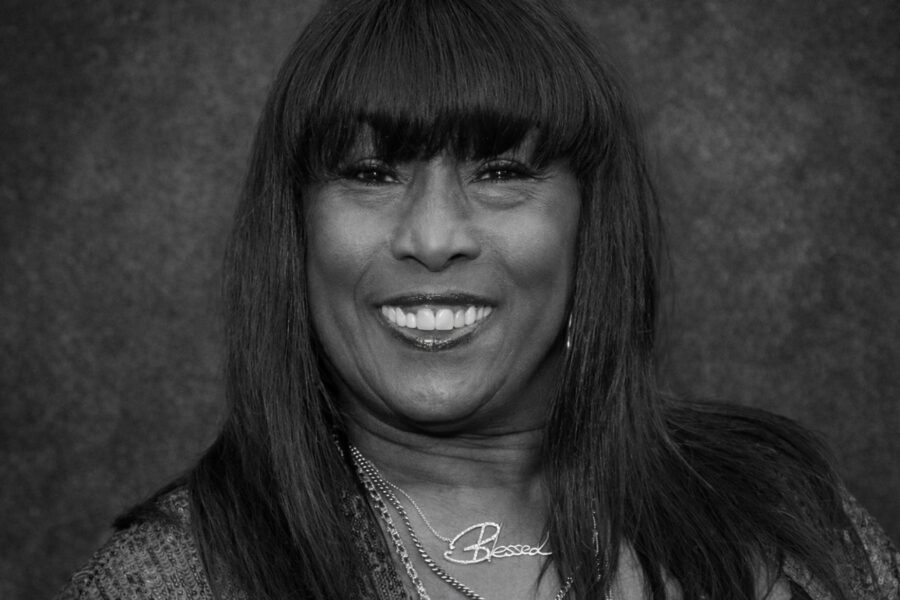

Kiki Shepard, the longtime co-host whose poise and unmistakable presence helped define Showtime at the Apollo for more than a decade, has died at 74.
Variety reported that Shepard died Monday, March 16, after a heart attack. Deadline, citing TMZ and Shepard’s representative, similarly reported that she suffered a massive heart attack in Los Angeles.
For a generation of viewers, Shepard was inseparable from the Apollo stage. She was not merely part of the packaging around a famous talent showcase.
She became one of the program’s signatures, a steady, glamorous presence in a format built on volatility, live-wire crowd reactions, and the nerve of performers stepping into one of the toughest rooms in entertainment
Current coverage widely identifies her as a central figure of the show’s classic era, with a run that stretched from 1987 to 2002.
Table of Contents
ToggleA Familiar Presence at a Historic Institution
Her death lands with particular force because of what the Apollo has long represented in American culture. The Apollo Theater’s own history describes the Harlem venue as the premier showplace for live theatrical entertainment in the neighborhood after opening in 1934.
Its current institutional language still frames it as a place where stars are born and legends are made, a testing ground where audiences have shaped careers and cultural memory alike.
That history gave Shepard’s role unusual weight. Showtime at the Apollo brought the theater’s spirit into living rooms across the country, translating the energy of Amateur Night and the theater’s famously unforgiving audience into syndicated television.
In that setting, Shepard offered polish without stiffness. She helped bridge the raw unpredictability of the stage and the national audience watching from home.
Reports remembering her on Tuesday repeatedly pointed to the way she lent style, warmth, and continuity to a show built on risk.
More Than a Co-Host
Coverage following her death has also revived a nickname that captured how audiences saw her during those years: the “Apollo Queen of Fashion.” It was not a throwaway label. Shepard’s presence was part of the show’s visual identity, and in a program crowded with comics, singers, dancers, and celebrity hosts, she stood out through composure and command rather than noise.
According to current reports, she shared the stage over the years with a range of emcees including Steve Harvey, Sinbad, Mo’Nique, Mark Curry, Rudy Rush, and Rick Aviles.
That combination of grace and durability matters when looking back at the era she helped shape.
Television has a long history of reducing women in variety formats to ornamental roles. Shepard’s legacy reads differently. She was elegant, yes, but she was also part of the machinery that made the show feel authoritative, credible, and distinctly Apollo.
Her steadiness became an asset in a format where the audience’s approval was never guaranteed. That is a large part of why her death is being treated as the loss of a cultural figure, not simply a familiar TV personality.
A Career That Reached Beyond Television
Though the Apollo years defined her public image, Shepard’s career ran deeper than one program. The Internet Broadway Database lists a string of stage credits that place her in Black theater and musical performance traditions well before her television fame.
Her Broadway credits include Bubbling Brown Sugar, Comin’ Uptown, Reggae, Your Arms Too Short to Box With God, and Porgy and Bess.
Those credits help explain why Shepard always seemed to belong onstage rather than simply beside it. She came out of performance, not presentation alone.
Even in obituary coverage centered on television, that background sharpens the picture of who she was: a working performer whose most famous role happened to be one that required presence, timing, and instinct as much as glamour.
Why Her Death Resonates
Obituaries often flatten public figures into a few predictable lines. Shepard’s story resists that. She belonged to a version of Black television culture that carried theater history, music history, and neighborhood history all at once.
The Apollo was never just another venue, and Showtime at the Apollo was never just another entertainment program. Together, they formed a pipeline between Harlem’s legendary stage and a national audience. Shepard stood at that junction for years.
Her death closes a chapter tied to a specific era of American television, one in which style, live performance, and Black cultural institutions met in a format that felt local and national at the same time. Shepard did not need to dominate the room to define it. For many viewers, she already had.