Skip to content
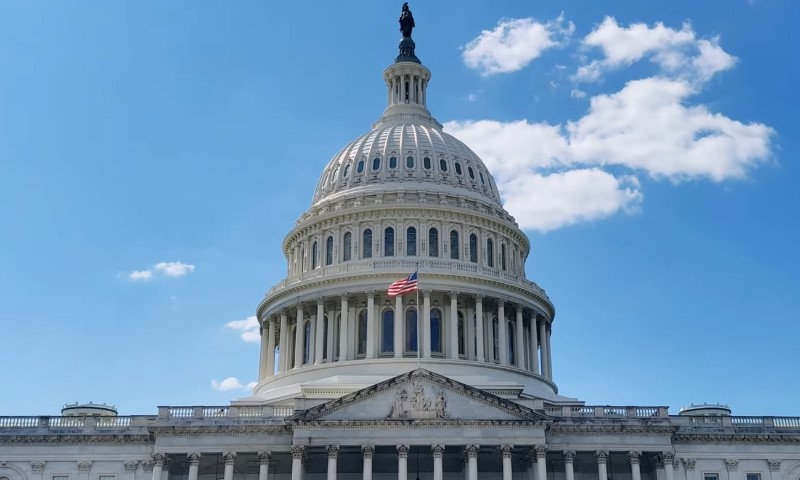

The final set of fiscal year 2026 appropriations bills funding the Departments of Labor, Health and Human Services, and Education arrived on Capitol Hill this week without the anti-trans policy riders that had dominated months of behind-the-scenes negotiation.
For transgender Americans, the shift is immediate and measurable: the most aggressive federal attempt to restrict gender-affirming care and school-based support through the budget process has, for now, been removed from the package headed toward floor votes.
For Congress, it marks a moment of leverage changing hands. Appropriations bills are where lawmakers can turn ideology into enforcement quickly, not by passing standalone bans, but by attaching conditions to the money the government needs to keep operating.
This time, that tactic hit a wall.
What Changed in the Final FY2026 Package
View this post on Instagram
The political battle centered on a core set of “riders,” policy clauses appended to spending bills that can reshape national rules without passing a dedicated law.
In this case, earlier House language sought to block federal support for gender-affirming care and penalize schools for policies supporting trans students.
The package released on January 20, 2026, is described by multiple reports, including the one from Advocate, as containing no anti-trans provisions, following bicameral negotiations that removed those riders from the final consolidated measure.
A Senate Appropriations conference summary for the FY2026 Labor-HHS-Education agreement underscores the broader point using institutional language, saying the deal includes “none” of the House’s “extreme policy riders,” describing them as proposals that would have promoted discrimination and imposed other ideological demands through appropriations.
The result is what appropriators sometimes call a “cleaner” bill, a spending measure that funds agencies without using the budget as a vehicle to force new social policy mandates.
What the Riders Were Designed to Do
The riders described in coverage and advocacy tracking were not symbolic. According to Erin Reed’s reporting, they were built to change what hospitals, schools, and federal programs could do, using financial pressure instead of a direct federal ban.
Among the proposals highlighted in reporting and policy responses:
- Restrictions framed as blocking federal funds tied to gender-affirming care coverage and access
- Conditions that would have created high-stakes risk for K-12 schools by threatening funding in disputes over student support, including participation and facilities access
- Broader attempts to attach ideological restrictions to agencies overseeing health programs and education enforcement
One reason appropriations riders draw so much attention is their speed. A spending bill, by definition, must pass.
When controversial policy language rides inside it, the vote becomes a forced choice: accept a major policy shift or accept a shutdown deadline.
That is the pressure point advocates feared.
How the House Got Here in the First Place
The House’s FY2026 Labor-HHS-Education bill had been moving for months with language that critics described as expanding discrimination and limiting access to care.
The draft bill text and related policy criticisms trace back to the summer and fall of 2025, when lawmakers and public health organizations warned the bill contained multiple ideological riders that would shape federal health policy far beyond basic funding levels.
By September 2025, public health advocates were already flagging that the House version contained policy riders targeting LGBTQ rights and restricting access to care through appropriations, a preview of the fight that followed.
At the same time, appropriations watchers were documenting the broader pattern: riders were becoming a default feature of spending bills in the modern House, particularly on issues involving LGBTQ protections and healthcare nondiscrimination policy.
The strategy was clear. If a direct national ban was difficult to pass as standalone legislation, the next best route was to restrict the money that makes care possible.
The Senate Signaled Early It Would Not Accept “Poison Pill” Riders
The removal of these provisions did not come out of nowhere.
In December 2025, a group of senators publicly urged leadership to keep FY2026 appropriations bills free of “poison pill” policy riders, using unusually direct language about harmful provisions in must-pass legislation.
That letter was part warning, part negotiating posture. It put in writing what appropriators often convey privately: riders can turn a funding bill into a hostage crisis, and the Senate’s threshold for accepting them is lower than the House’s appetite for inserting them.
That dynamic matters because final spending packages are products of bicameral agreement. The Senate can block a bill that a narrow House majority wants to push through.
Why Appropriations Riders Are So Powerful, and Why Removing Them Matters
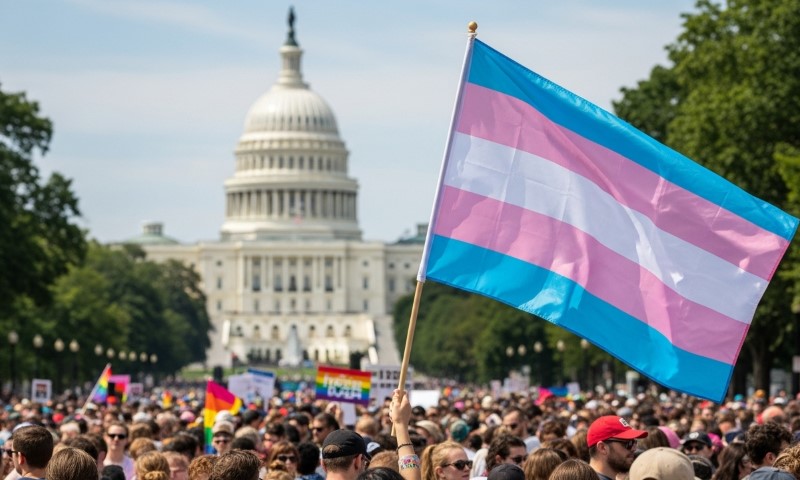
Appropriations battles look procedural from the outside. Inside Washington, they are an enforcement mechanism.
A rider attached to HHS funding can influence:
- Whether federal health programs reimburse certain services
- How hospitals interpret risk tied to Medicare and Medicaid participation
- Which grants and contracts come with conditions attached
A rider attached to education funding can influence:
- How schools weigh compliance risk
- How aggressively federal civil rights enforcement is staffed and funded
- Whether districts feel pressured into policy changes to protect budgets
The Senate conference summary for FY2026 Labor-HHS-Education emphasizes maintaining staffing and enforcement capability at the Department of Education’s Office for Civil Rights and other offices, a reminder that budget choices can either enable or paralyze civil rights oversight.
Even without any explicit mention of trans issues, OCR funding decisions shape the government’s ability to respond to discrimination complaints, which is often where real-life outcomes are decided.
Removing Riders Is Not the Same as Ending the Campaign
The clean appropriations outcome blocks one major route. It does not end the wider federal fight.
In late December 2025, a coalition of states filed suit against the Department of Health and Human Services over a federal declaration that labeled youth gender-affirming care unsafe and warned providers about potential consequences tied to Medicare and Medicaid participation.
That lawsuit and the policy it challenges underline the next phase of the conflict: executive branch power.
Appropriations riders operate through Congress. Executive actions operate through agencies, rulemaking, enforcement priorities, and program eligibility decisions. Both approaches can shape outcomes, especially when healthcare depends on federal reimbursement structures.
The same story now playing out in court shows why advocates view appropriations as only one front in a broader campaign.
How Democrats Won This Round
View this post on Instagram
The removal reflects three overlapping forces.
1. The Senate’s Leverage and Institutional Preference for Fewer Riders
The Senate often has more bipartisan muscle on appropriations and a longer history of rejecting sweeping social policy conditions in funding bills. The conference summary framing, rejecting “extreme policy riders,” signals that the Senate’s negotiating position held.
2. Shutdown Politics Had Diminishing Returns
Budget deadlines create pressure, not certainty. The more riders are added, the more difficult it becomes to assemble a coalition large enough to pass the final package. The political cost rises fast when leadership has to choose between ideological demands and keeping the government open.
3. Rider Language Created Broad Collateral Damage
Some of the proposed language was so expansive that it risked hitting hospitals, schools, and administrators far outside the ideological battlefield, creating resistance from institutions that normally avoid partisan fights.
When policy becomes unworkable for administrators, it tends to lose support quietly and quickly.
Floor Votes, and the Next Bill Cycle
The package still depends on Congress finishing the job. The most important practical question is whether lawmakers pass it as released, without reopening the rider fight through amendments or side deals.
If it passes in its current form, the immediate federal funding threat described in earlier drafts is neutralized.
After that, watch the next predictable flashpoints:
- Future appropriations cycles that reintroduce similar riders
- Agency enforcement decisions that shape access even without statutory change
- Courts weighing whether agency actions exceeded authority, particularly when federal program participation is used as a threat against providers
Appropriations fights do not disappear. They evolve. Lawmakers change the language, shift to different agencies, or target different funding streams.
Why This Story Matters Outside Washington
A lot of policy reporting treats appropriations as abstract. For families and providers, it can be brutally concrete.
When Congress tries to restrict gender-affirming care through funding language, it is not only a debate about ideology. It is a debate about:
- Whether providers feel safe continuing care
- Whether hospitals fear reimbursement consequences
- Whether schools view trans student support as a budget risk
Removing those riders is a decision with real downstream effects. It prevents federal spending bills from becoming a national trigger that forces institutions to choose between services and survival.
For now, Democrats and their allies in the Senate and House negotiation process have stopped that trigger from being pulled through the appropriations pipeline.
The next battles are already forming elsewhere, in agency policy, the courts, and the next round of spending drafts.