Skip to content
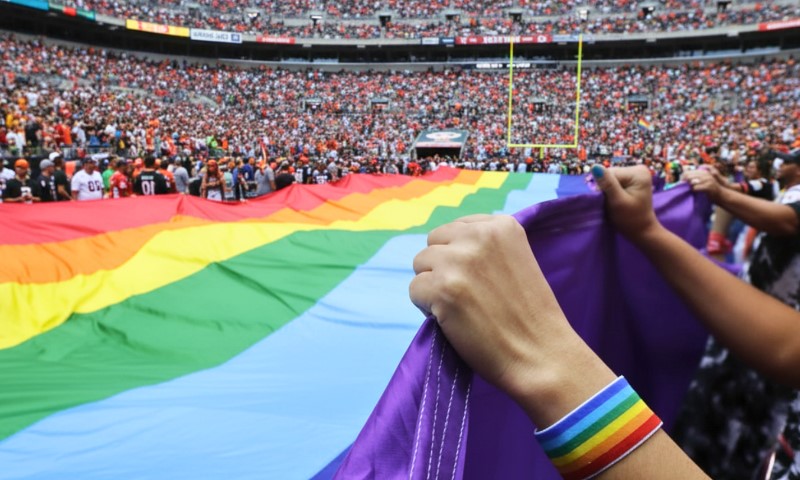

Walk into almost any major stadium today, and visible signs of progress appear quickly. Pride nights sit on official calendars. Rainbow scarves and shirts fill team stores. Big screens flash messages promising zero tolerance for discriminatory language. Clubs and leagues say, clearly and publicly, that everyone belongs.
Talk to LGBTQ+ fans who attend matches regularly, and a more layered picture comes through.
Inclusion messaging looks polished and confident. Safety lives in quieter moments. A stranger in the next row slurs a player. A chant spreads across a stand. A steward hesitates. A fan weighs whether reporting will help or make things worse. Safety depends on response time, staff confidence, and consequences that actually land.
So the question stands plainly. Are stadiums getting safer for LGBTQ+ fans, or just louder?
The answer sits in both directions, depending on where you look and how closely you watch.
Key Points
- Visibility and Pride messaging increased faster than real crowd behavior and enforcement.
- Safety depends on staff response, reporting systems, and consequences, not slogans.
- Chanting persists where anonymity, tradition, and weak enforcement overlap.
- Stadium safety varies by venue culture and leadership, not league-wide promises.
What Safety Really Means Inside a Stadium
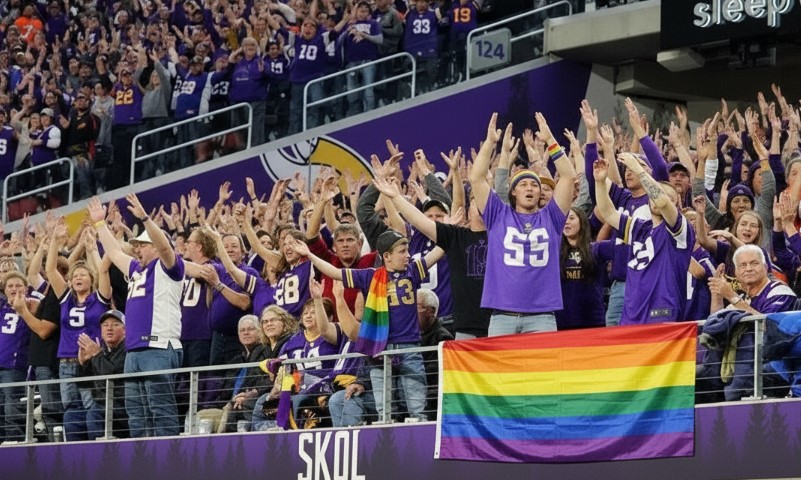
Safety for LGBTQ+ fans does not collapse into a single idea. It shows up across several overlapping layers that shape the matchday experience.
Physical Safety
Physical safety covers the baseline expectation. Fans want to attend without facing threats, intimidation, or violence connected to identity, expression, or who they sit beside. Entry gates, concourses, stands, and exits all matter.
For many fans, that assessment influences how much of their sports engagement stays inside the stadium versus moving to platforms like twinspires.com.
Psychological Safety
Psychological safety shapes how freely someone can exist. Wearing a Pride scarf. Holding a partner’s hand.
Celebrating a goal without scanning the crowd first. Anxiety changes behavior long before physical danger appears.
Institutional Safety
Institutional safety reflects systems working in real time. Clear conduct rules. Trained staff. Easy reporting. Fast intervention. Follow-up that does not disappear into silence.
Cultural Safety
Cultural safety reflects the crowd itself. Language that gets challenged by fellow fans. Chants that fade instead of snowball. A shared sense that abuse crosses a line.
A stadium can improve in one area while struggling in another. Visibility can rise while culture lags. Policies can tighten while enforcement stays uneven.
What the Data Says About Fan Experience
Recent research shows discrimination remains a common feature of live sport attendance for many LGBTQ+ fans.
Research connected to the Rainbow Laces campaign from Stonewall in 2024 highlighted that discrimination remains part of the sport experience for many people.
One of the clearest findings showed that 1 in 3 Black, Asian and minority ethnic LGBTQ+ people, or 34%, who attended a live sport event in the last year reported experiencing discrimination.
Fan surveys linked to Football v Homophobia during its Month of Action reported that 75% of LGBTQ+ respondents had experienced or heard anti-LGBTQ+ abuse while watching men’s football. In the same research, 93% of respondents wanted tougher action from clubs and governing bodies.
The numbers vary by league and country. The pattern stays consistent. Visibility has expanded faster than crowd behavior.
Inside a stadium, that gap matters. Fans cannot mute chants or scroll past hostility. Presence locks everyone into the same physical space.
Why Stadiums Feel Louder Right Now
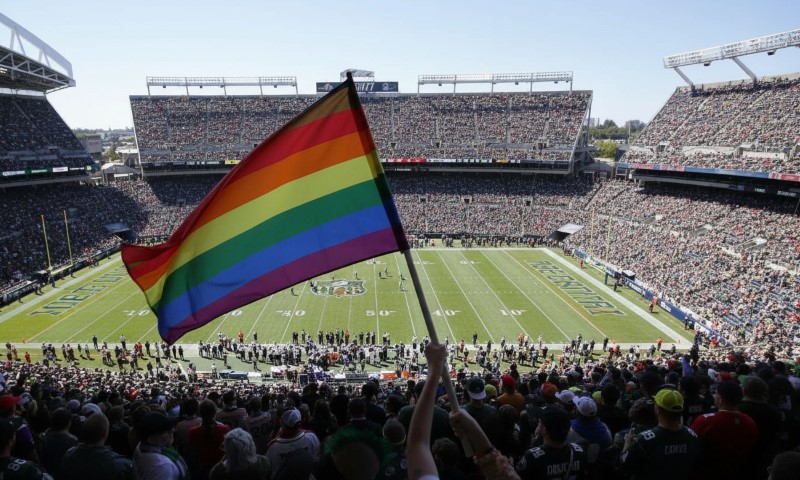
Many LGBTQ+ fans describe an atmosphere that feels more charged than it did years ago. Several forces shape that perception.
Inclusion Became a Political Flashpoint
In parts of Europe and the United States, LGBTQ+ inclusion moved from a basic anti-harassment standard into a political signal. Pride recognition turns into a marker some people react against loudly.
That shift alters behavior inside crowds. Recognition attracts both support and performative opposition.
Online Backlash Reaches Physical Spaces
Campaign posts linked to inclusion regularly draw hostile responses online. That energy does not always stay digital. Fans carry those attitudes into matchday environments where accountability feels weaker.
Chants Spread Faster Than Enforcement
Chants rely on collective momentum. Individual responsibility dissolves inside group noise. Discriminatory language survives longer when people frame it as tradition or rivalry language.
Uneven Enforcement Signals
Policies mean little without confidence on the ground. When staff treat abuse as normal fan behavior, the message spreads quickly. Fans learn where lines actually sit by watching what goes unchallenged.
Recent Cases That Show Where Safety Still Breaks Down
Progress exists. So does evidence of persistent hostility.
PSG Homophobic Chants in France
In 2024, reporting from Reuters and Associated Press covered homophobic chants from Paris Saint-Germain supporters during a Ligue 1 match against Strasbourg. Stadium announcements instructed fans to stop. Chanting continued. The league opened an investigation.
The key detail lies in persistence. The behavior reached a scale that triggered a formal review.
Tottenham’s Warning to Supporters
In England, Tottenham Hotspur issued a warning to season-ticket holders after a homophobic chant was heard during a match.
The club reinforced its zero-tolerance stance and confirmed the use of body cameras by stewards to identify offenders.
That step signals a shift from symbolic messaging toward identification and enforcement.
UEFA Disciplinary Decisions
Documents from UEFA detail disciplinary cases involving homophobic chanting recorded by match observers. Observations inside official reports show how visible the issue remains at elite levels.
Football Banning Orders in England
The Crown Prosecution Service described cases in 2024 where individuals received multi-year football banning orders connected to homophobic chanting around regulated matches.
Removal from the environment carries weight. Warnings rarely do.
What Real Safety Looks Like on Matchday
Stadiums that feel safer operate differently long before incidents occur.
Clear Conduct Rules With Teeth
Many leagues publish fan codes of conduct. The National Football League maintains a league-wide framework setting expectations for fan behavior and removal procedures.
Effectiveness rises when rules explicitly name sexual orientation and gender identity. Specific language supports staff decisions in real time.
Reporting Systems Fans Actually Use
Discreet reporting reduces risk.
- Manchester City operates a matchday text service allowing fans to report discriminatory behavior with seat and section details.
- Tottenham Hotspur publishes reporting routes through official apps and text systems.
- Burnley offers text-based reporting that generates a secure submission link.
Low-friction systems increase reporting without forcing confrontation.
Staff Training and Confidence
A UK legacy report on LGBTQ+ inclusion in sport environments highlighted the importance of staff training and confidence when addressing discrimination. Venues perceived as unsafe often shared one trait. Staff hesitated or dismissed complaints.
Policy fails when front-line workers lack clarity or support.
Consequences That Stick
Arsenal has published supporter ban data listing homophobia among offenses leading to sanctions.
Governing bodies apply pressure as well. FIFA continues to sanction associations for discriminatory chanting.
Consistency builds trust. Silence erodes it.
Pride Nights and the Safety Gap
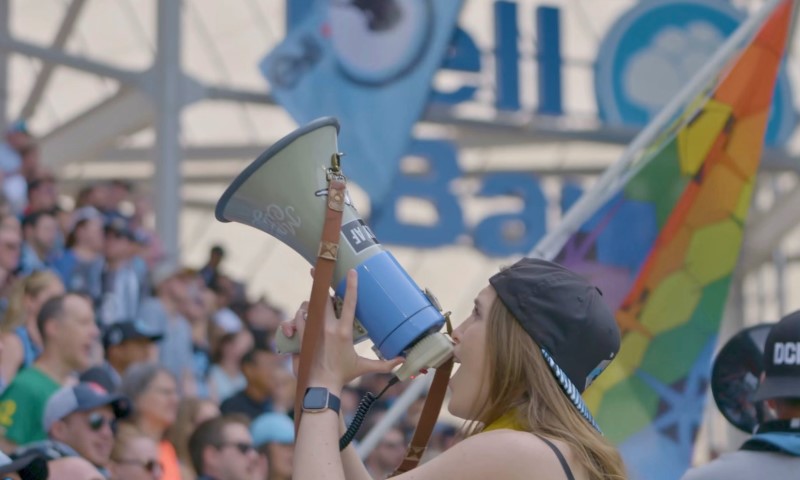
Pride nights matter. They also reveal where protection still falls short.
What Pride Nights Improve
Visibility supports belonging. Supporters groups gain recognition. Fans see themselves reflected in the stadium environment.
In Major League Soccer, Major League Soccer promotes Pride programming through its Soccer For All initiative. LGBTQ+ supporters groups participate in matchday activities and public displays.
Group presence reduces isolation. Collective seating and travel offer safety in numbers.
What Pride Nights Do Not Solve Alone
Branding does not rewrite crowd behavior overnight.
The National Hockey League faced widespread attention in 2023 after disputes around Pride jerseys and tape restrictions. Symbolic conflict dominated headlines.
For fans, the lesson stayed clear. Visibility attracts attention. Protection determines whether attention feels safe.
Why Chanting Remains the Hardest Problem
Chanting persists because it sits at the intersection of tradition, anonymity, and group momentum.
Chants normalize language through repetition. They target players, officials, clubs, and identities. They spread faster than accountability.
Effective responses share common elements:
- Explicit rules naming discriminatory language
- Easy reporting pathways
- Fast steward intervention
- Identification through cameras and observation
- Consistent penalties applied publicly
When any layer weakens, chants regain space.
Practical Signs a Stadium Takes Safety Seriously
Fans can assess environments quickly.
Strong Signals
- Conduct rules that name protected characteristics
- Multiple discreet reporting options
- Calm, fast staff intervention
- Visible removals or bans
- Recognized LGBTQ+ supporters groups
- Announcements that clearly reference discriminatory language
Weak Signals
- Pride branding without promoted reporting routes
- Staff dismissing slurs as rivalry
- No discreet way to report incidents
- Framing abuse as equal blame between parties
- Lack of follow-up communication
Interventions That Actually Reduce Harm
Certain actions consistently improve safety outcomes.
Escalating Enforcement
Warnings alone rarely shift behavior. Effective models escalate responses through removal, ticket revocation, long-term bans, and prosecution when necessary.
Anonymous Location-Based Reporting
Text and app systems succeed because they demand minimal effort and deliver usable information.
Specialist Partnerships
Groups like Kick It Out provide research and guidance highlighting intersectional risks faced by LGBTQIA+ fans, including higher exposure to targeted abuse.
Supporter-Led Accountability
Supporters groups often identify patterns before institutions do. They recognize repeat offenders, risky sections, and matches where hostility rises.
Stadium Safety Depends on Place, Not Promises
@openlynews Labour’s openly gay MP Luke Pollard has warned it is “not safe” for LGBTQ+ supporters to travel to the World Cup in Qatar and urged the UK’s Foreign Secretary James Cleverly to apologise for saying that LGBTQ+ fans heading to the FIFA football tournament should show “a little bit of flex and compromise” and to “respect the culture of your host nation.” #qatar2022 #worldcup2022
Safety varies venue by venue. League branding does not override local culture or leadership.
One club invests in reporting systems, steward training, and follow-up. Another leans on annual campaigns while ignoring incidents in real time.
LGBTQ+ fans learn which places feel trustworthy. Loyalty follows those experiences.
So Are Stadiums Getting Safer or Just Louder?
Stadiums show progress through structure. More conduct rules exist. Reporting systems expanded. Sanctions appear more often.
Culture remains uneven. Inclusion draws attention. Backlash stays organized. Chanting still finds space.
Safety improves when discrimination becomes a security issue rather than a public relations concern.
What Actually Improves Safety
Stadiums grow safer through consistent action, not volume. Fans notice which spaces back words with response.