
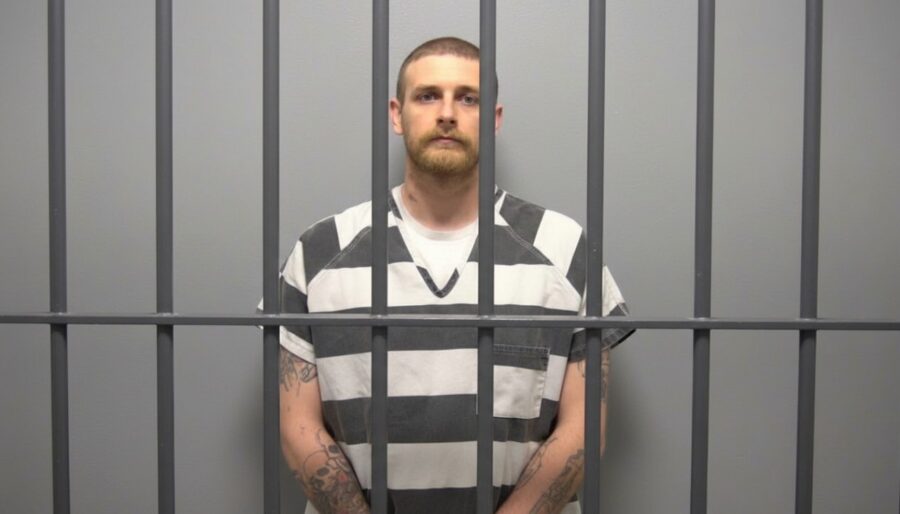

A Sangamon County judge sentenced former sheriff’s deputy Sean Grayson to 20 years in prison, the maximum term available under Illinois law for second-degree murder, for the July 2024 killing of Sonya Massey, a 36-year-old Black woman who had called 911 from her home.
The punishment lands after a late October 2025 jury conviction for second-degree murder, a result that left Massey’s relatives saying the justice system recognized Grayson’s criminal responsibility while still falling short of what they believed the evidence supported.
Table of Contents
ToggleThe Sentence: Maximum Term, but Not Necessarily Maximum Time Behind Bars
Judge Ryan Cadagin imposed the 20-year sentence at a hearing that included statements from Massey’s family and Grayson.
Reporting from the courtroom described emotional reactions from relatives as the hearing ended and framed the outcome as a “victory” by family members who had pushed for the stiffest penalty available after the second-degree verdict.
Because the conviction is for second-degree murder, Illinois sentencing rules can allow substantial credit toward release, meaning the prison term on paper may not equal time actually served.
Capitol News Illinois reported estimates that could place the timeline well under 20 years, depending on credits and calculations.
The Verdict: Why the Jury Landed on Second-Degree Murder
Prosecutors initially charged Grayson with first-degree murder, but jurors convicted him of second-degree murder.
In Illinois, second-degree murder can apply when the state proves the elements of first-degree murder, but the jury finds a mitigating factor, such as an unreasonable belief in the need to use deadly force.
That legal distinction mattered at sentencing, because it set the ceiling at 20 years, a cap Massey’s family urged lawmakers to revisit in the wake of the case.
What Happened in Massey’s Kitchen, as Described in Court and Reporting
Massey called 911 after reporting a possible intruder near her Springfield home. Grayson and another deputy responded and entered the residence.
Accounts of the body camera footage describe an encounter that escalated rapidly in the kitchen, involving a pot of hot water, shouted commands, and Grayson firing the fatal shot.
At sentencing, Reuters reported prosecutors portrayed the shooting as driven by “unreasonable rage,” disputing Grayson’s assertion that he feared for his life.
In Court: Apology, Cancer Argument, and a Denied Bid for a New Trial
Grayson apologized in court and acknowledged a string of “terrible decisions,” according to Capitol News Illinois.
His defense team argued for leniency, citing a serious cancer diagnosis, but the judge rejected that request, saying the record did not show prison medical care would be worse than care Grayson received in jail.
Cadagin also denied a defense request for a new trial at the hearing, and reporting indicates an appeal remains an option.
The Civil Case: $10 Million Settlement
Separate from the criminal prosecution, Sangamon County agreed to a $10 million settlement with Massey’s family.
Multiple outlets have reported the settlement figure, and it has been cited by both the family’s legal team and major news organizations covering the sentencing.
Aftermath: Resignations, Reform Commitments, and a Commission Focused on Public Trust
The killing triggered public protest and political blowback that reached the top of county law enforcement. Sangamon County Sheriff Jack Campbell announced his retirement in August 2024, in reporting that tied the decision to the aftermath of Massey’s death.
Two parallel reform tracks followed:
1. A State Law Tightening Police Hiring Checks
Illinois enacted legislation in Massey’s name that expands background-check expectations for law enforcement hiring, including access to prior employment records. Capitol News Illinois reported the signing and framed it as a direct response to the Massey killing.
2. A Federal Memorandum of Agreement Focused on Dispatch and Crisis Response
The U.S. Department of Justice entered a memorandum of agreement with Sangamon County entities, tied to a federal civil rights review, outlining reforms that include dispatch practices and mobile crisis response approaches.
Locally, officials created the Massey Commission, a citizen-led body tasked with developing recommendations on public safety, mental health response, transparency, and community trust. The commission later issued a final report summarizing public hearings and listing “calls to action.”
What Comes Next
- Appeal path: Grayson’s defense has indicated an appeal remains possible after the denial of a new trial request.
- Implementation pressure: The commission report and DOJ agreement both create measurable expectations for local systems, especially dispatch and crisis-response handling.
- Legislative attention: Massey’s family has pushed for tougher second-degree murder sentencing limits in Illinois, a policy debate likely to continue.