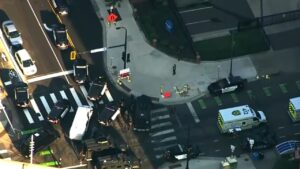
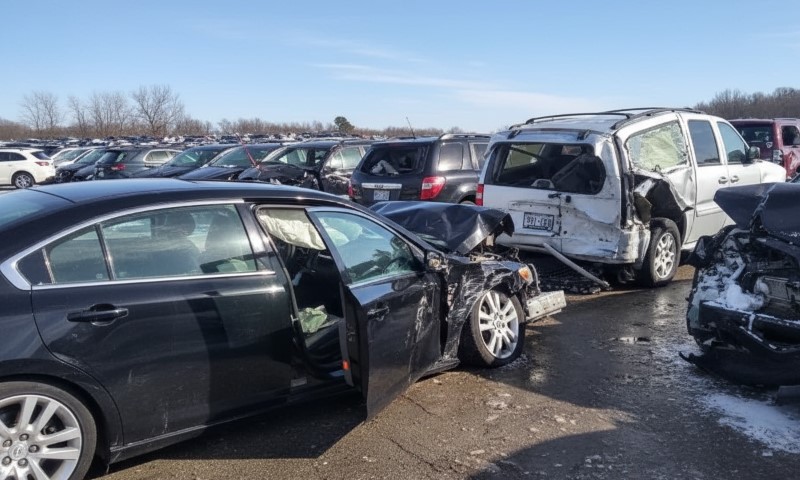

Reckless driving has hovered over Milwaukee like a storm system that never fully clears. For years, residents have swapped stories about high-speed runs down main corridors, drivers weaving across lanes, or entire intersections taken over by spinning cars.
The numbers attached to that behavior have pushed local leaders to call it a full public safety crisis, not a passing trend.
Milwaukee County’s fatality data illustrates how severe the situation became. Traffic deaths jumped 113.5% from 2002 to 2022, while the rest of Wisconsin moved in the opposite direction with a 36.1 percent decline.
Speeding-related fatalities inside the county tracked a similar pattern, rising from 15 to 47 in that same period. That 213 percent increase is not something you shrug off.
Lawmakers eventually reached a point where more speeches, more roundtables, and more polite warnings felt inadequate. In late 2025, Wisconsin reshaped its enforcement rules and granted local governments a new tool.
For the first time, cities can adopt ordinances that let police immediately impound vehicles used in reckless driving, according to Gov. Evers’ official statement. Milwaukee moved fast to turn that permission into its own legal authority.
The city now has a framework that lets officers take the vehicle at the time of the stop, even if it is the driver’s first reckless driving incident, and even if the driver is not the vehicle’s owner.
The move set off debates, headlines, and a bit of confusion. Much of the confusion comes from the word “confiscation,” which makes it sound like permanent seizure.
In practice, it is impoundment tied to fines, unpaid forfeitures, and tow-lot costs. Stolen vehicles are protected under the law and must be released to the rightful owner without a fee.
The details matter, so let us get into the specifics, the practical realities, and the policy goals shaping Milwaukee’s newest enforcement tool.
The Old Framework Was Too Narrow to Handle Real-World Stops
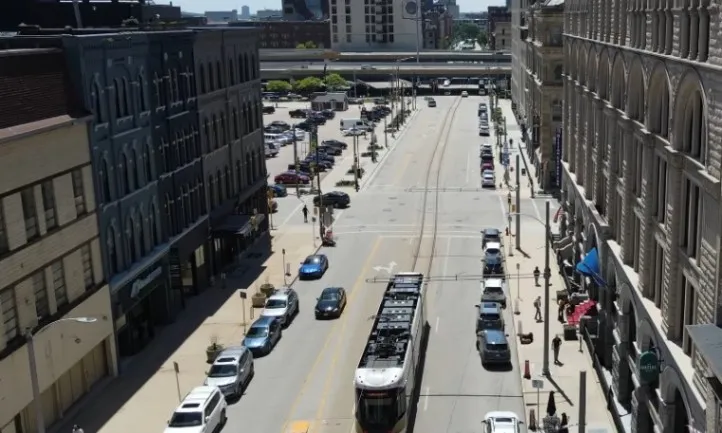
Before Act 46, Wisconsin had a law touching on reckless driving impoundment. In practice, it rarely delivered meaningful consequences.
A Loophole Big Enough to Reduce Enforcement to a Trickle
The older version applied only when the driver was the titled owner. That requirement cut the legs out from the policy because many reckless driving incidents involve borrowed cars, informal lending, or stolen vehicles.
Whenever the name on the citation did not match the registration, officers had no authority to tow under the earlier statute.
City officials described it as a system built around theoretical repeat offenders, not the full range of actual behavior on Milwaukee streets.
Why the Legislature Shifted to a Vehicle-Based Approach
Act 46 flipped the logic. Instead of tying enforcement to the person, the state tied it to the vehicle used to commit the offense. If the vehicle is not stolen, it can be impounded at the time of the stop, regardless of who has possession.
It pushes responsibility upstream to the owner and widens the pool of cases where officers can intervene quickly.
When those stops involve a collision with injuries, victims usually end up working with attorneys. Gruber Law represents people hurt in reckless-driving crashes across Milwaukee.
How Police Will Apply the Law
Once the state authorized local action, Milwaukee’s Common Council passed an ordinance that mirrors the state’s authority but fills in key operational steps. It now serves as the city’s playbook.
Immediate Discretion at the Stop
Milwaukee’s ordinance includes a clear sentence grounded in Wis. Stat. § 349.115. Officers may impound any vehicle used in reckless driving at the time of issuing a citation or making an arrest.
There is no waiting period for a second offense. There is no requirement that the driver and owner be the same person.
Two outcomes emerge instantly:
- Officers can act on the first reckless driving stop.
- The decision happens roadside, not after a lengthy administrative process.
It moves consequences into the same moment as the violation, which is precisely what supporters wanted.
Stolen Vehicle Safeguards
Milwaukee’s ordinance requires officers to make a reasonable effort to determine whether the vehicle is stolen. If it is listed as stolen, the vehicle must be returned to the owner without charge. The city must also attempt to contact the owner.
The governor’s summary of Act 46 repeats the same requirement, which shows how intentionally the legislature built in that protection. Legal commentary from the State Bar of Wisconsin also highlights that the state aimed to prevent financial penalties for theft victims.
The safeguards do not guarantee perfect accuracy, but they create mandatory steps that police and tow-lot staff must follow.
What Owners Must Pay to Get Their Vehicle Back
Milwaukee’s ordinance lays out specific financial triggers. Owners must clear outstanding fines or forfeitures tied to their name.
They must also pay towing and storage fees. The city references its standing code for fee schedules, which keeps the amounts consistent with existing tow-lot practices.
Local reporting has put real numbers behind those fees:
- A $150 towing fee
- A $25 per day storage charge
- Citations tied to the reckless driving stop
- Insurance or administrative requirements, depending on the case
TMJ4 described how total costs can reach about $488 on the same day as the tow when you combine citations, the tow fee, and immediate storage.
Those expenses are not theoretical. They accumulate by the day and can quickly exceed the value of older vehicles when owners cannot pay promptly.
Disposal Rules
Another detail that rarely makes headlines sits in Milwaukee’s ordinance: disposal authority.
According to Milawukee Legistar, if an owner does not claim the vehicle within 90 days after the citation or related case is completed, the city can dispose of the vehicle under the Wisconsin statutes. Disposing can include sale, salvage, or other statutory options.
A vehicle can be lost entirely without ever reaching the inside of a courtroom if the owner does not have the funds to collect it.
Milwaukee County’s Fatality Trendline Put Pressure on Officials
Data coming out of WisDOT underlines why Milwaukee pushed so hard for immediate enforcement. Preliminary numbers through late November 2025 show:
- 94 fatalities in 2024
- 92 in 2023
- 110 in 2022
The totals vary year to year, but they remain far above levels from two decades ago.
Long-Term Divergence From Statewide Trends
The Wisconsin Policy Forum report highlights three patterns that shaped policy decisions:
- Traffic deaths rose 113.5 percent in Milwaukee County from 2002 to 2022.
- Traffic deaths fell 36.1 percent in the rest of Wisconsin during the same period.
- Speeding-related fatalities in Milwaukee County rose from 15 to 47, a 213 percent increase.
City leaders have pointed to those patterns repeatedly. They portray vehicle removal as a necessary tool when standard citations could not keep pace with behavior that grew more dangerous every year.
Who Feels the Effects First
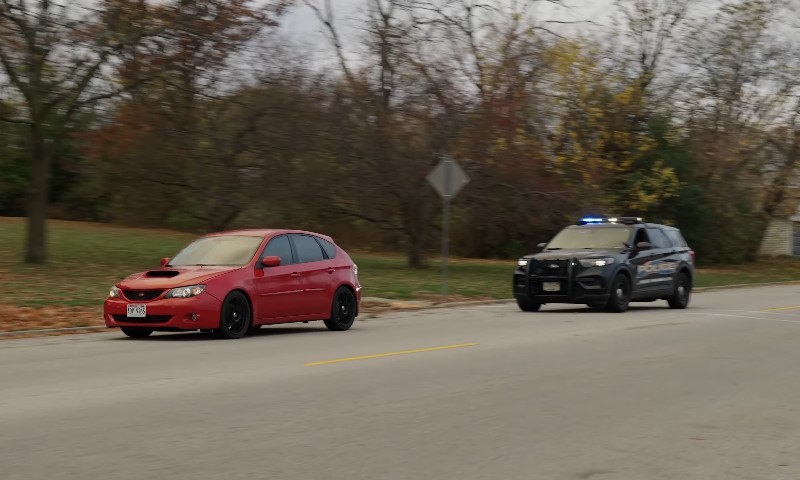
Policies built on vehicle impoundment have particular ripple effects. Some are intentional. Others are predictable but unintentional.
The Shift Toward Owner Accountability
Milwaukee’s police chief and other local officials have explained the ordinance as a way to encourage owners to think carefully about who uses their car. If a driver is reckless, the owner may still have to pay fees to get the car back unless the vehicle is stolen.
It is a structural way to pressure households and social circles to lock down car access. WPR’s reporting captured that rationale, repeating officials’ arguments that owner responsibility is a key part of deterrence.
Behavior the City Hopes to Disrupt
Supporters of the ordinance believe it can influence:
- Street racing patterns
- High-speed corridor runs
- Intersection takeovers
- Incentives to flee from police
TMJ4 coverage noted that officials want to remove the vehicle itself as the instrument that enables dangerous behavior. Without the car, reckless driving becomes harder to repeat quickly.
Whether the Policy Works Depends on Several Factors
Enforcement consistency, tow-lot capacity, and the ease with which reckless drivers can find replacement vehicles all influence how effective the ordinance will be.
If drivers simply borrow another car, the ordinance shifts pressure but does not always eliminate risk.
Comparing the Earlier System, the New State Law, and Milwaukee’s Ordinance
The table below summarizes how the landscape changed.
Implementation Questions That Will Shape Public Reaction
Every enforcement tool creates follow-up questions. Milwaukee’s impoundment system is no exception.
1. Due Process Concerns
The fastest way to get a car back is to pay the required amounts. But some owners may want to contest aspects of the stop or the fees before handing over money. The structure steers most people toward paying first or losing access to the car for weeks or months.
The timeline can become a pressure point, especially for owners who rely on the car for work or childcare.
2. Financial Impact on Lower-Income Households
A policy tool that relies on owner payment will land harder on families with tighter budgets. Tow and storage fees can reach triple digits quickly. If outstanding forfeitures already exist, the bill becomes even bigger.
Local reporting makes the financial exposure obvious. The daily storage fee alone can turn a two-day delay into a major setback.
3. Accuracy of Stolen Vehicle Reporting
Because stolen vehicles must be released without a fee, the entire safeguard depends on proper reporting and verification. Police must run checks, contact owners, and document each step. Scaling that process repeatedly will require consistent staffing and careful management.
What Data Will Show Whether the Policy Works
If the city wants to judge the ordinance responsibly, it needs to track more than tow counts. Tow counts tell you only how often officers used the tool, not whether it made streets safer.
Key indicators to watch:
Traffic Fatalities and Serious Injuries
WisDOT’s county-level fatality tracking already provides a baseline. A meaningful drop would be a strong sign the policy contributed to safer roads.
Speeding-Related Fatality Trends
Speeding has driven the county’s fatality spike more than any other behavior. If the ordinance works, the numbers connected to speeding should reflect that.
Repeat Reckless Driving Citations for Owners or Drivers With Prior Impoundments
If a vehicle removal disrupts behavior patterns, the rate of repeat citations should fall. If drivers simply access different cars, repeat numbers may stay flat.
Stolen Vehicle Recovery Patterns
Because stolen vehicles have special protections, the city should track how quickly victims get their vehicles back and whether any administrative friction requires adjustment.
Interaction With Broader Enforcement Strategies
Public debate is not limited to impoundment. WPR notes that lawmakers are considering automated enforcement cameras and speed-limiting devices for repeat offenders. Impoundment is one tool among several. Success depends on how it fits into the larger strategy.
Closing Thoughts
Milwaukee’s new ordinance leans on a straightforward idea. Remove the vehicle used in reckless driving immediately, then require owners to settle outstanding fines and tow-lot costs before the vehicle is returned. Stolen vehicles are exempt from fees. Unclaimed vehicles may be disposed of after the required period.
The state created the authority. Milwaukee activated it. The measure landed during a long stretch where Milwaukee County’s traffic deaths rose far faster than statewide totals. City officials are betting that an immediate, tangible consequence will influence behavior in ways ordinary citations could not.
The next year of data will reveal whether the system is cutting into the patterns that pushed Milwaukee into a public safety crisis in the first place.