Skip to content
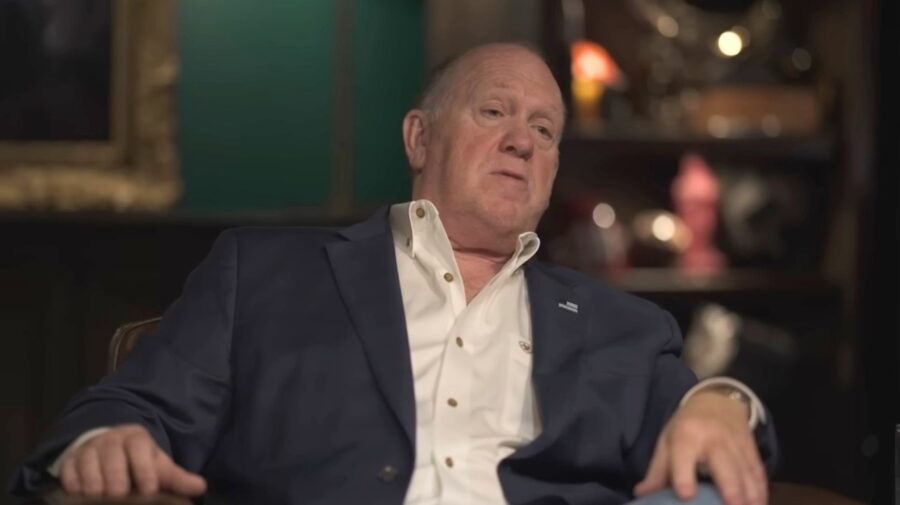

Tom Homan arrived in Minnesota carrying two jobs at once: take control of a sprawling federal immigration operation that has spiraled into national controversy, and extract concessions from Democratic leaders who want federal agents pulled back.
The White House border czar was dispatched after two U.S. citizens were killed in Minneapolis during encounters tied to the Trump administration’s enforcement surge, a sequence that ignited protests, triggered calls for investigations, and forced the administration into a rare public reset.
At the center of Homan’s opening pitch is a direct demand to the state: increase the transfer of immigrants from Minnesota jails and prisons into federal custody, a lever that can expand deportations without the street-level visibility of raids.
Table of Contents
ToggleA Change in Command, After the Deaths of Alex Pretti and Renée Good
The tactical shift is also a leadership shift. Reuters reported that Homan is replacing Gregory Bovino as the top federal point person on the ground for what the administration calls “Operation Metro Surge,” and that Bovino is expected to leave Minnesota along with some deployed agents.
Reuters also reported Bovino was stripped of a special “commander at large” title and slated to return to a Border Patrol role in California, though a DHS spokesperson publicly disputed claims that he had been relieved.
Bovino had become a lightning rod after the killing of Alex Pretti, a 37-year-old ICU nurse and licensed gun owner, who was shot and killed during a confrontation with federal agents.
Reuters reported that a video verified by the outlet appeared to undermine the administration’s initial narrative, showing Pretti holding a phone during the struggle and a firearm removed from his waistband after he was subdued.
The earlier fatal shooting of Renée Good, also a U.S. citizen, intensified the political blowback, with national scrutiny focused on the posture and messaging of senior DHS officials.
The “Reset” Begins With Custody Transfers, and a Broader Pressure Campaign
The Wall Street Journal described Homan’s Minnesota “reset” as beginning with a series of demands, led by a push for the state to increase transfers from local custody into federal hands.
At the same time, Minnesota officials say the pressure is not limited to immigration custody practices.
An NPR report carried by WSIU describes a letter from U.S. Attorney General Pam Bondi to Gov. Tim Walz that urged “common sense solutions,” including repealing what the administration calls “sanctuary policies” and cooperating with ICE.
The report also says the letter demanded Minnesota share broad categories of records tied to Medicaid and food assistance programs, including SNAP.
CBS News also reported Bondi pressing Walz for access to voter rolls and public-assistance data as tensions rose in Minneapolis after the latest shooting.
Minnesota’s response has been blunt. The WSIU-carried NPR report says Walz dismissed Bondi’s letter publicly, and Minnesota’s secretary of state rejected the request for voter data, framing it as unlawful.
What Walz and Frey Are Seeking in Return
Today I met with Governor Walz, Mayor Frey, and top law enforcement officials to discuss the issues on the ground in Minnesota. We all agree that we need to support our law enforcement officers and get criminals off the streets. While we don’t agree on everything, these meetings…
— Thomas D. Homan (@RealTomHoman) January 27, 2026
Minnesota’s Democratic leaders have described their own terms for any de-escalation.
Reuters reported Walz said Trump agreed to consider reducing the number of federal immigration agents in the state, and that the president agreed to direct DHS to ensure Minnesota could conduct its own investigation into the Pretti shooting.
Minneapolis Mayor Jacob Frey said some federal agents would begin leaving the Twin Cities, according to Reuters.
The Star Tribune similarly reported that Walz and Trump discussed reducing the federal footprint, and that Frey said some agents would begin leaving soon.
The WSJ summary of Homan’s meetings also describes Walz pressing for impartial investigations, a reduced federal presence, and an end to retaliatory measures.
Why Homan Matters to the White House Right Now
Homan is being used as the administration’s credibility patch.
The AP described Trump calling for an “honest” investigation after public outrage and videos contradicted early official claims, while noting the decision to replace Bovino with Homan as part of the oversight and tone shift.
Axios, focusing on the internal politics, reported growing Republican discomfort with DHS Secretary Kristi Noem’s early handling and messaging after the shootings, adding to the pressure on the administration to show tighter control over the operation.
Reuters also reported waning public support for the administration’s tactics in the wake of Pretti’s death, and it described a notable sign of strain inside Minnesota’s GOP when a leading Republican gubernatorial candidate, Chris Madel, dropped his bid, citing opposition to “retribution” against Minnesota citizens.
The Fight Ahead: Quieter Deportations, Louder Legal and Political Battles
Homan’s “reset” does not end the core conflict. It reorganizes it.
A higher-volume pipeline from local jails and prisons would allow DHS to claim progress while reducing the kind of street confrontations that have produced viral footage and fatal outcomes.
Minnesota leaders, meanwhile, are signaling that cooperation will be limited without credible investigations and a genuine reduction in federal forces operating in the Twin Cities.
The result is a negotiation shaped as much by law and legitimacy as by enforcement capacity: who controls evidence, who sets the terms of cooperation, and whether Washington can demand state data and policy changes as the price of de-escalation.